Search
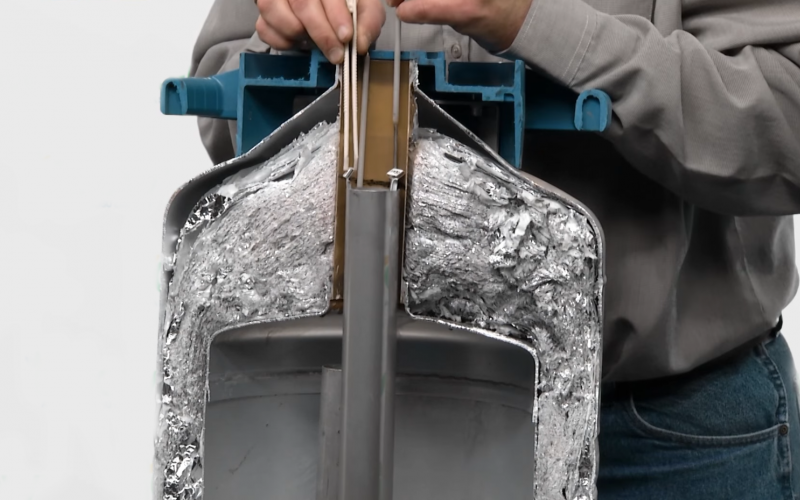
Semen Handling Procedures
Before the start of the breeding season, it is a good practice to review the proper semen handling procedures.
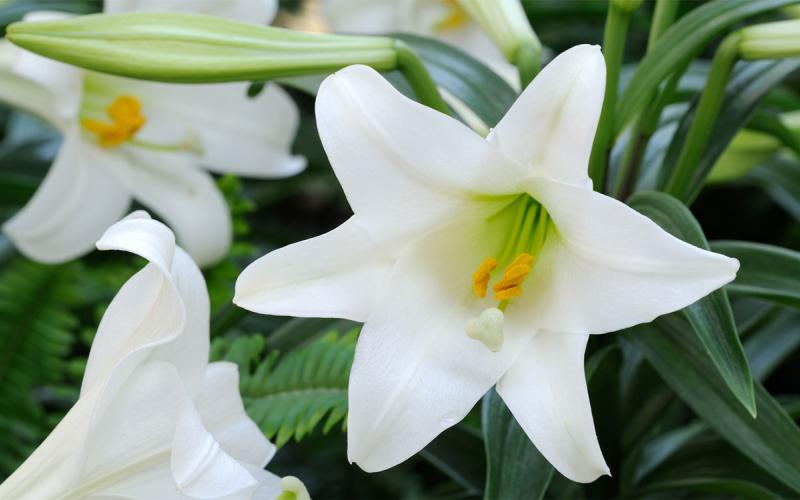
Easter Lily: The Centerpiece of Spring
Easter lilies have long been associated with spring. Learn how to select, care for and plant these popular spring flowers in this resource.
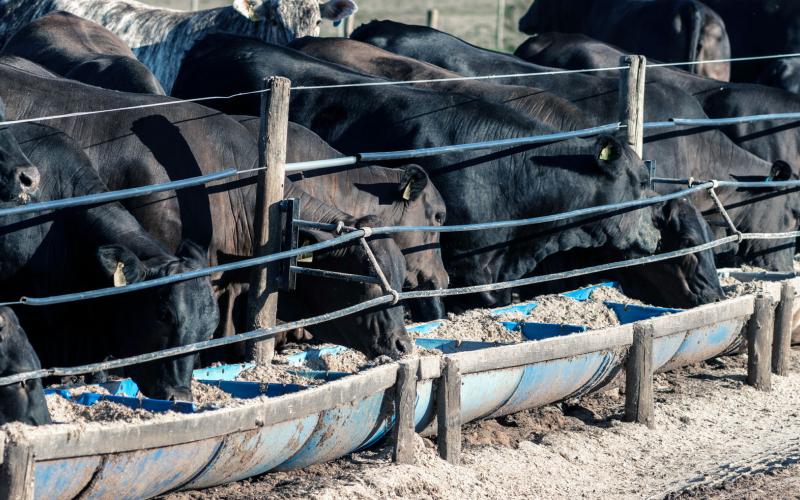
Cull Cow Management and Marketing Opportunities
No matter the reason for culling, it is important to evaluate the opportunity to add value to cull cows at marketing, as they make up a significant portion of annual ranch income.
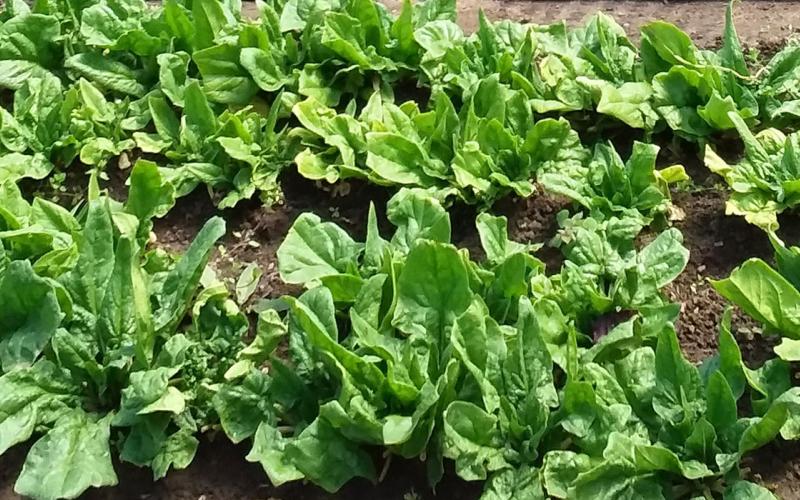
Salad Greens: How to Grow It
Salad greens, grown for their leaves, are cool-season crops. Most salad greens can be planted very early in the spring, and many will germinate in soil temperatures as low as 40° Fahrenheit.
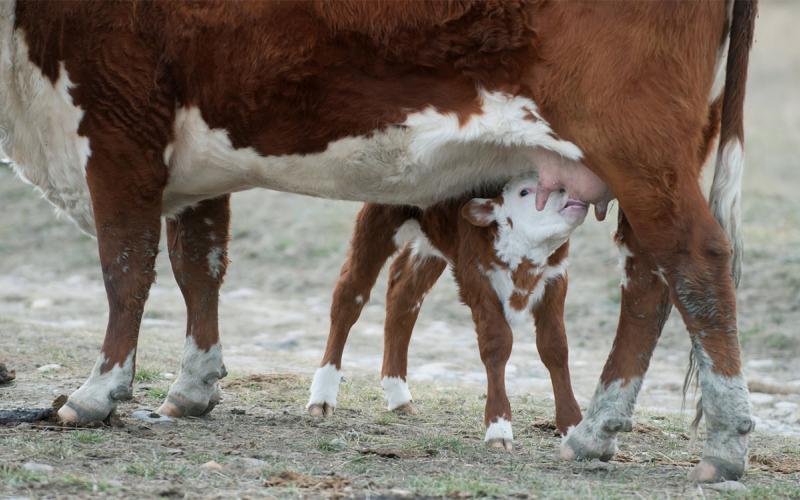
Updated Guidelines for Monitoring Colostrum Consumption and Antibody Transfer in Calves
Dairy and beef producers have long understood the importance of colostrum for the short- and long-term health of their calves. Calf health experts have determined the minimum level of serum protein to categorize a calf as having received sufficient colostrum.
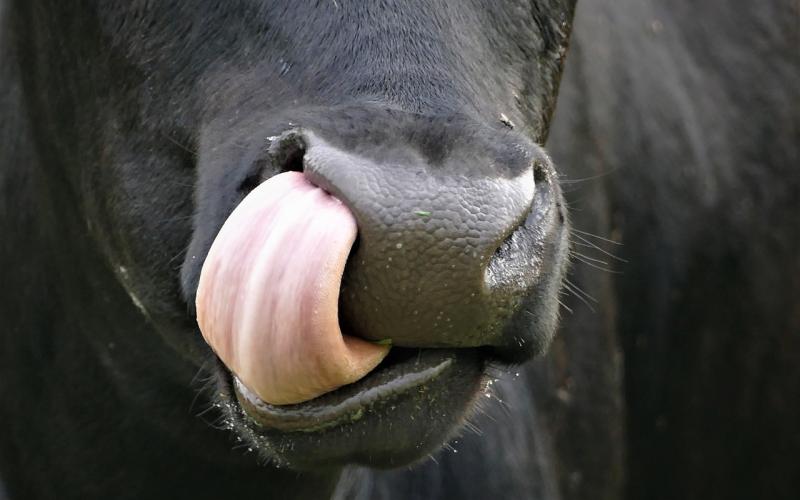
Cow Mineral Nutrition: Reading The Tag and Bioavailability
Mineral nutrition is vital to overall cow performance. Not all mineral supplements are created equal, and it is important to know what to look for in a mineral supplement and what you might want to avoid.
SDSU Extension hosting hands-on soil health workshop at Iona ranch
June 18, 2025
South Dakota State University Extension is hosting an educational soil health workshop for women and couples involved in agriculture at the Sweetheart Ranch near Iona.
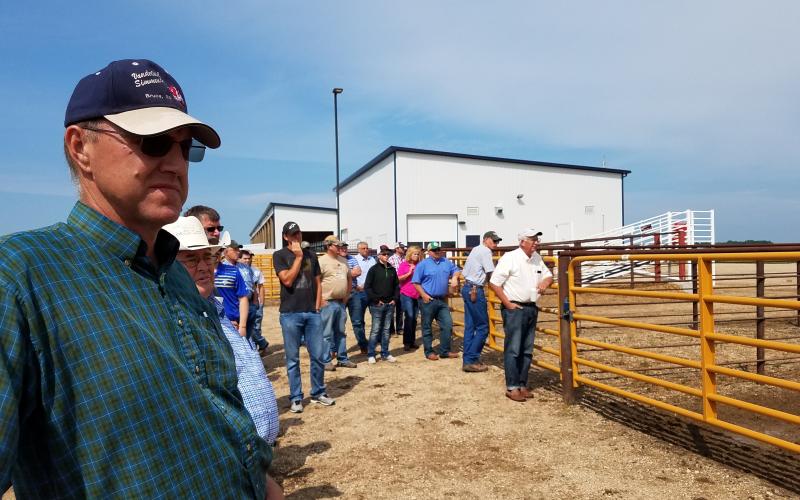
Registration Now Open for 2021 SDSU Extension Feedlot Shortcourse
June 21, 2021
The 2021 Feedlot Shortcourse returns to campus Aug. 11 and 12 and will be held at the SDSU Cow-Calf Education and Research Facility classroom, located at 2901 Western Ave. in Brookings
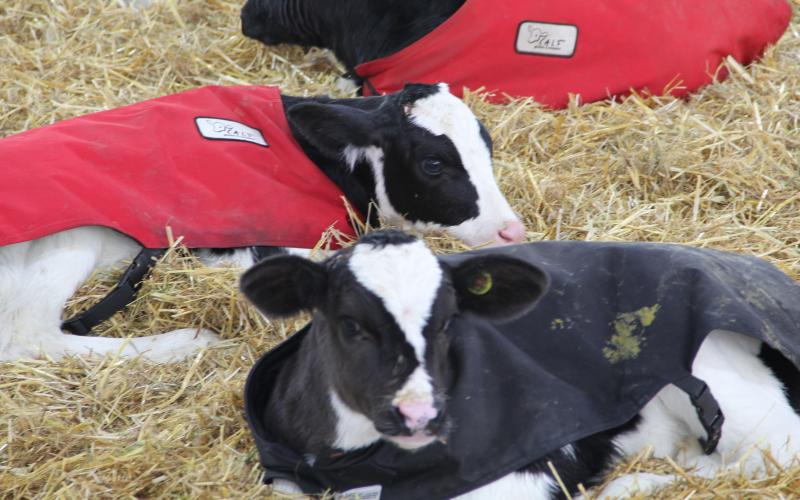
Managing Un-Weaned Dairy Calves During Cold Weather
Winter can present extra challenges for dairy producers and heifer growers as they try to keep calves alive and growing adequately in frigid temperatures.
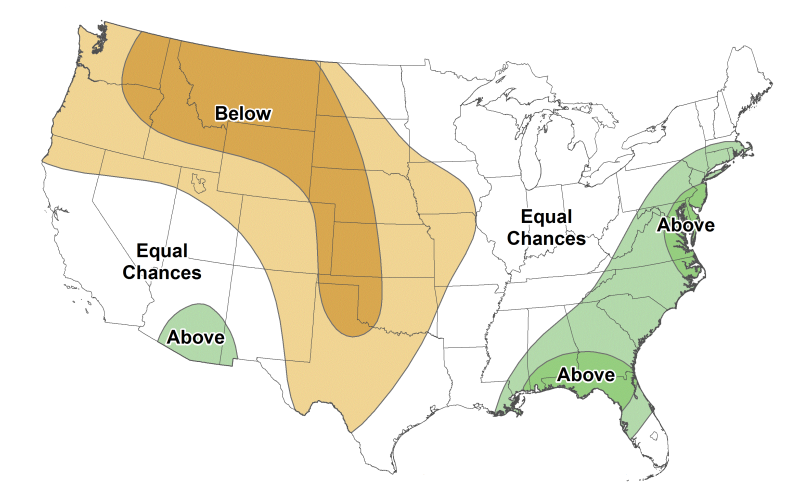
2022 Summer Climate and Drought Outlook
On May 19, the NOAA’s Climate Prediction Center released their temperature and precipitation outlooks for June and the summer season ahead. See a full report of what to expect for the summer of 2022.