Search
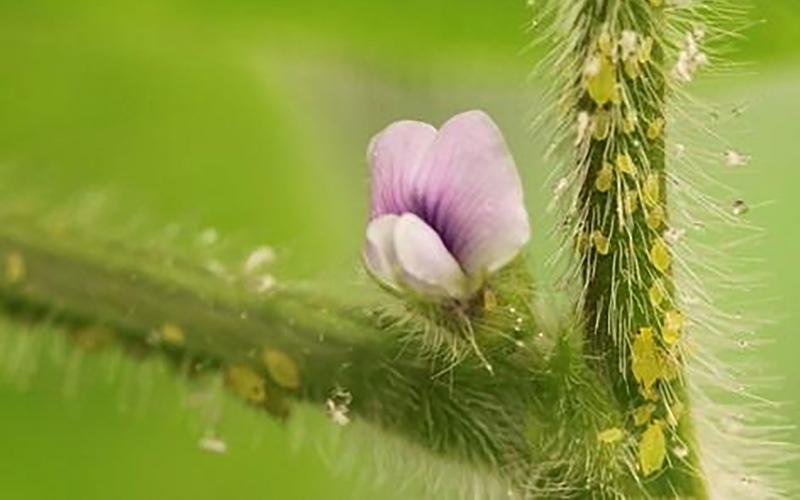
Small Populations of Soybean Aphids Observed in South Dakota
While scouting fields last week, we observed small populations of soybean aphids near Volga, South Dakota. Although no sustained populations were observed, it is a good reminder that soybean aphid scouting should occur throughout the growing season to prevent population outbreaks.
Forage Crop Insurance Options
In this episode of The Grazing Toolbox, Kim Ricardo, SDSU Extension Forage Field Specialist, and Parker Witt, SDSU Extension Crop-Livestock Systems Field Specialist, sit down with Dr. Matthew Diersen, SDSU Extension Risk and Business Management Specialist, and Dr. Sarah Sellars, SDSU Extension Sustainable Farm and Food Systems Specialist, to discuss forage crop insurance programs and the benefits they can bring to operations experiencing extended dry periods.
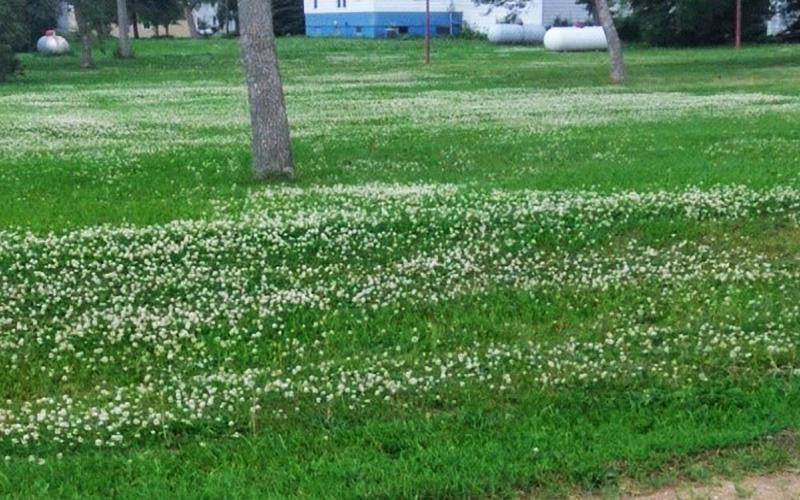
Buzzworthy Backyards: How Bee Lawns Are Reinventing Green Spaces
Bee lawns integrate a variety of low-growing perennials and fine fescues that not only require minimal maintenance, but also actively support local wildlife, particularly bees
Introducing the South Dakota Grassland Coalition
The South Dakota Grassland Coalition is a non-profit organization that seeks the voluntary improvement and protection of privately owned grasslands for the long-term needs of the resource and its various species.
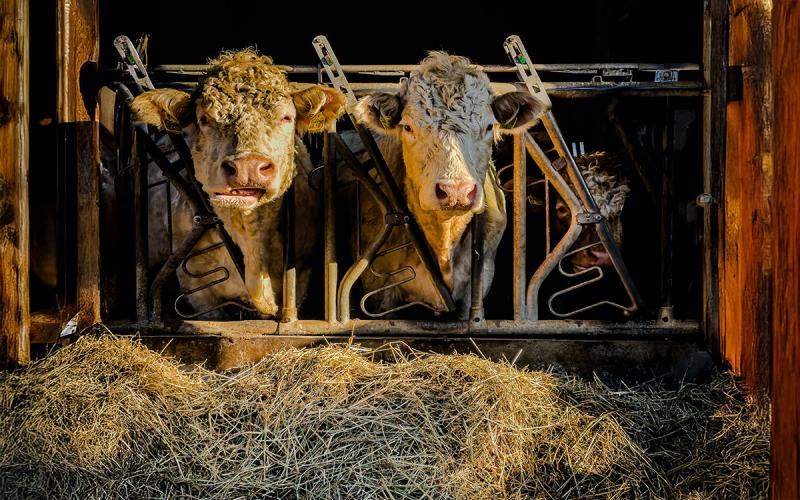
Feed Management for Efficient U.S. Livestock Systems: Introducing the National Animal Nutrition Program’s Feed Management Committee
The National Animal Nutrition Program’s Feed Management Committee brings together experts in animal science, nutrition, and natural resource management to increase awareness and use of livestock feeding management and to address conservation needs.
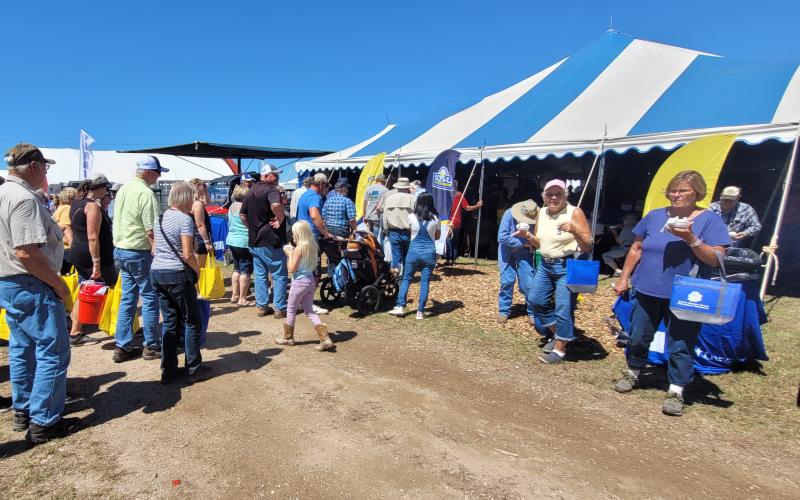
SDSU Extension to feature emerald ash borer management at 2024 Dakotafest
August 12, 2024
South Dakota State University Extension will return to Dakotafest in 2024 with educational displays and on-site experts showcasing more than 10 topics.
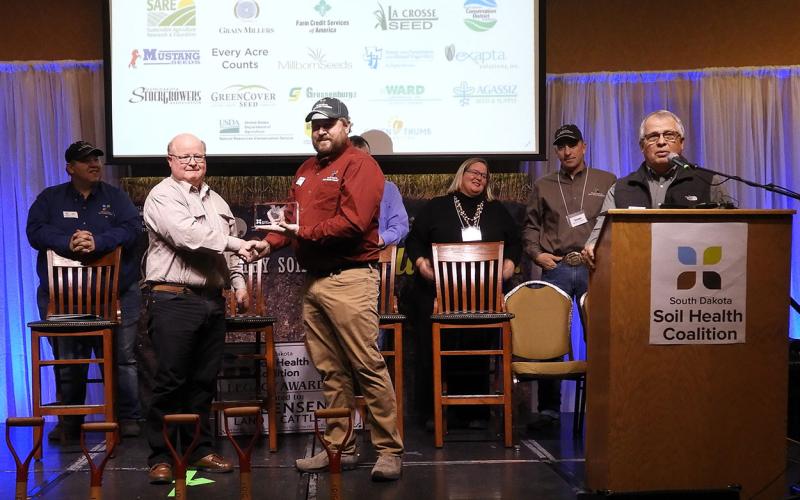
Anthony Bly Receives Friend of Soil Health Award
May 16, 2022
Anthony Bly, SDSU Extension Soils Field Specialist, received the 2022 Friend of Soil Heath Award at the 2022 Soil Health Conference.
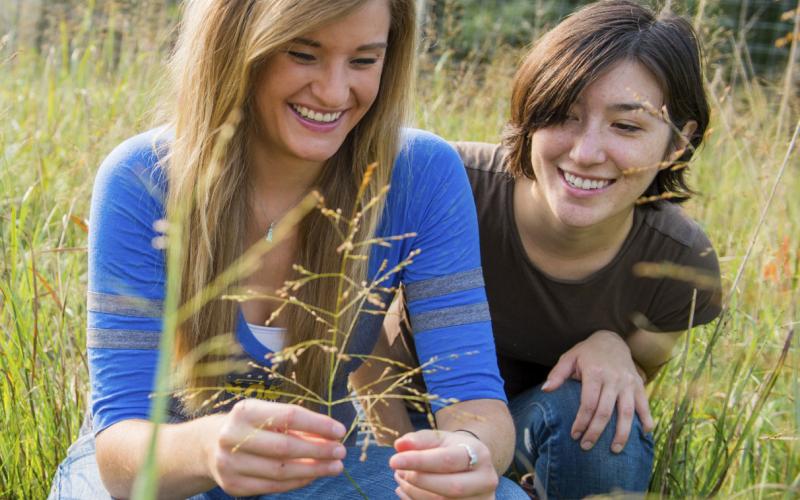
4-H Soil & Soil Conservation Project
In this project area, members can investigate the importance of soil to the ecosystem and agriculture production, and explore how human and natural activities impact soil characteristics and health.
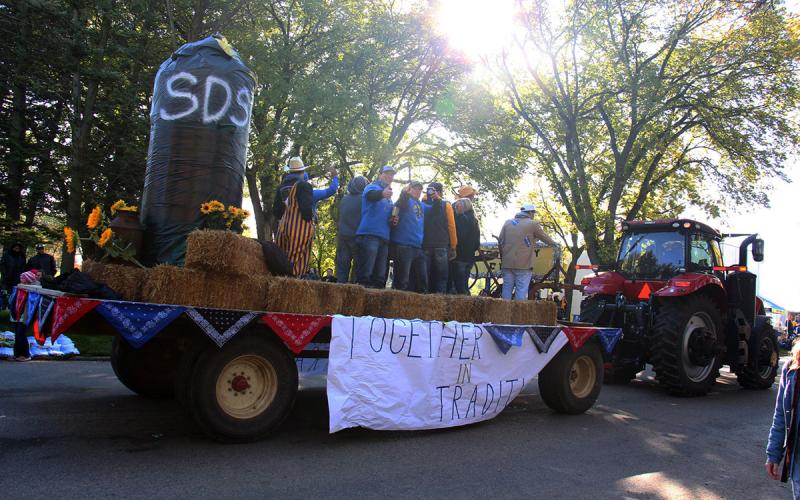
South Dakota Fairs and Festivals - Part One: Festival Deserts, Festival Revival, and Festival Impacts
In South Dakota, many fairs and festivals take place in late summer or fall to celebrate a successful harvest, and the ways of life that made it possible. Learn about the impacts of these festivals and why they are worth preserving, developing, and re-imagining.
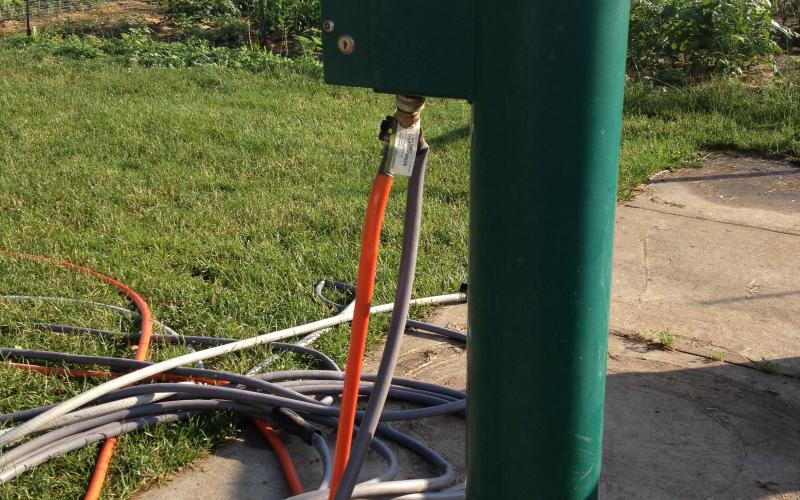
Community Gardens: Budget & Fees
In order to have a sustainable project, it is very important to identify all of the expenses that are involved in the operation of your community garden. Are there costs associated with utilizing the site, site preparation (tilling, plowing, soil testing, or soil amendments), on-site resources (hose, fencing, or shared tools), marketing the garden, water usage, or insurance?