Search

How the Veterinary Lab Diagnoses Anthrax in a Beef Herd
Anthrax is a serious disease of cattle that pops up somewhere almost every year in South Dakota. It’s caused by a bacteria that survives as a very tough spore form in the soil. Knowing whether a death on pasture has been caused by anthrax is important for several reasons.
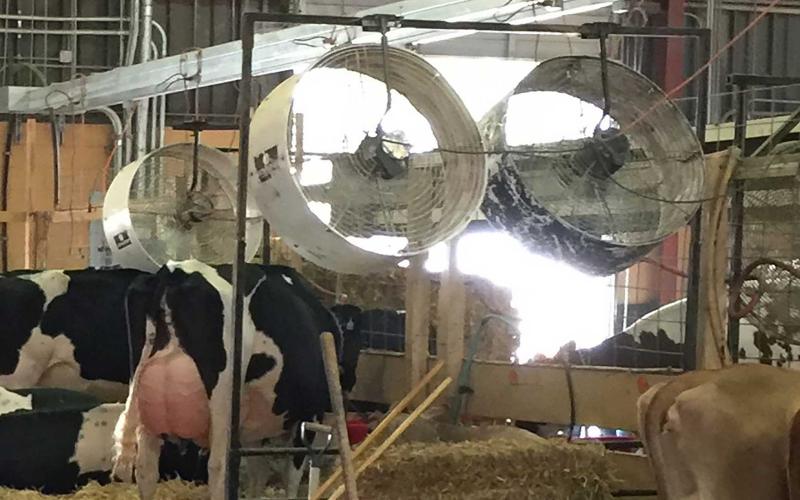
Combating Heat Stress in Lactating Dairy Cows
With summer temperatures and higher humidity levels upon us, dairy producers need enact their heat abatement strategies on farm for all livestock.
Mooving the Calving Season
In this episode of Cattle HQ, Taylor Grussing, SDSU Extension Cow Calf Field Specialist visited with Pete Bauman, SDSU Extension Natural Resources and Wildlife Field Specialist about how to manage moving the calving season from March to May to reduce input costs and calve on grass.
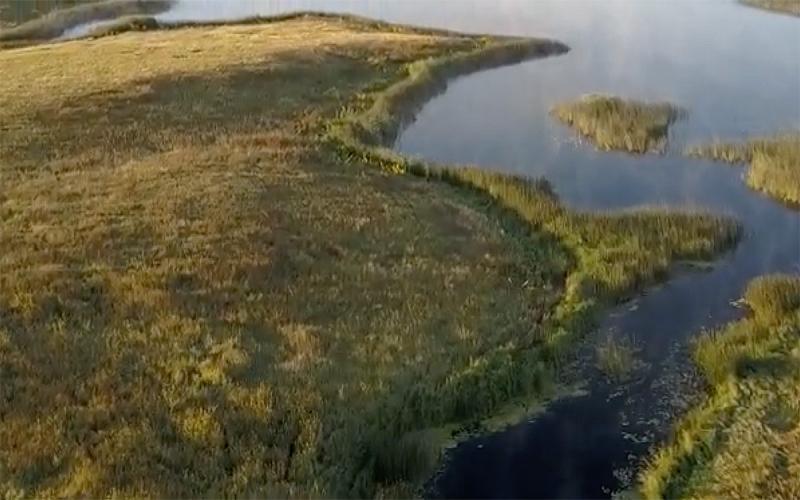
Prairie Pothole Wetlands: Small Basins, Big Impact
The benefits of prairie wetlands extend far beyond wildlife. These wetlands filter pollutants and excess nutrients from agricultural and urban runoff, trap sediment, recharge groundwater, and store floodwater.
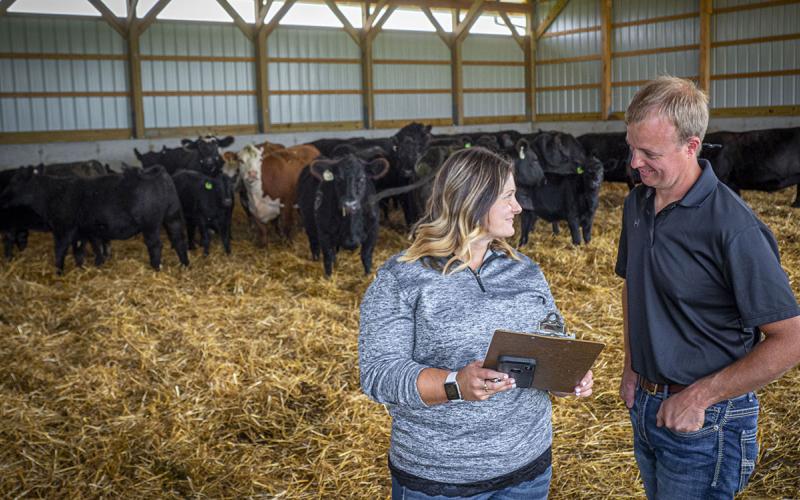
How Does Your Herd Measure Up?
Female herd longevity is important for beef producers. Since foot and udder problems can be genetic, tracking scores can help producers make informed management decisions for herd females.
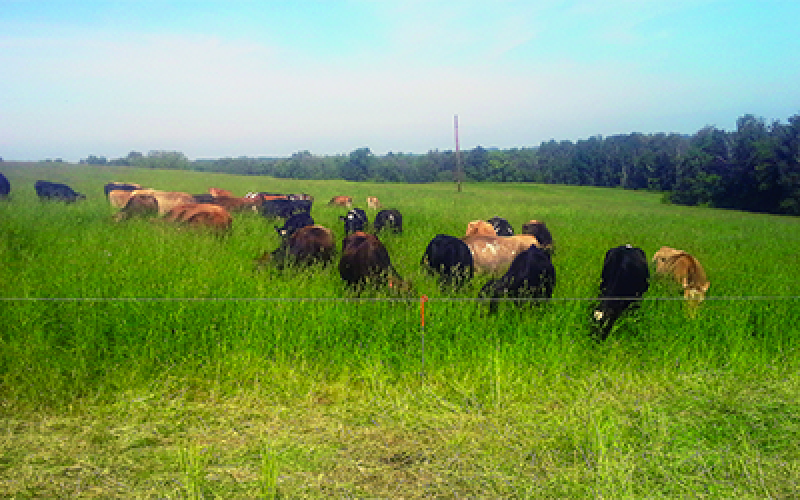
Anaplasmosis: Is it a problem in the Northern Plains?
Cattle producers have been hearing more and more about a disease called anaplasmosis. This disease recently appears to have become more common in areas not previously affected. The disease is typically associated with cattle herds in warmer areas of the country, but is it ever a problem up here on the Northern Plains?

Clover Cover Crops as a Living Mulch for Pepper Production in Eastern South Dakota: 2022 Preliminary Results
A recent project at the SDSU Specialty Crop Research Field investigated using clover species as a living mulch for pepper production systems to improve soil quality and suppress weeds.
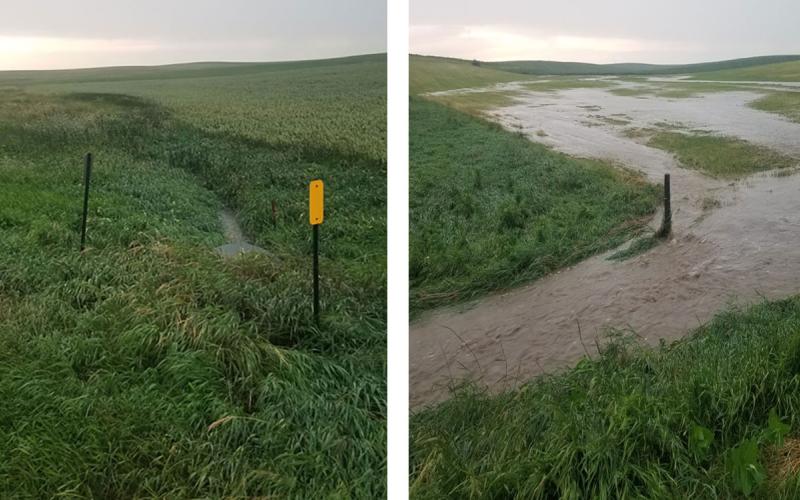
Tale of Two Watersheds
See the difference that cover crops and a no-till cropping system can have on watersheds when high winds and heavy rains impact our region. The difference in the amounts of run-off water is astounding!
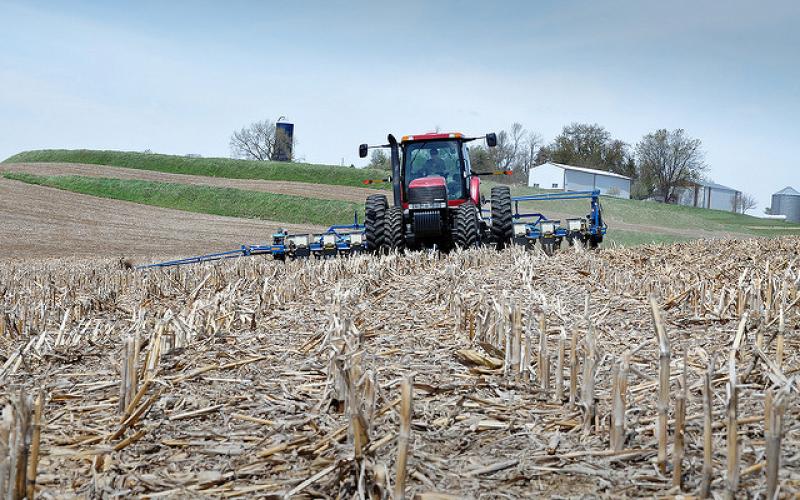
Project to Study Soil Health Economics in South Dakota
Soil degradation has become one of the most pressing global issues, because of its adverse effects on world food security, environment and quality of life.
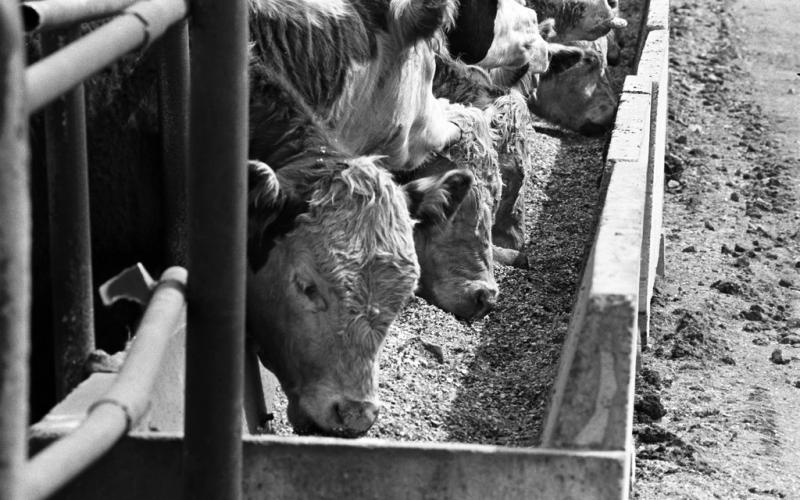
Monitoring Nutrient Status of Beef Cows
Managing cows through the winter provides different challenges compared to managing those same cows during the growing season. With snow cover, cows should oftentimes receive supplemental feed to meet nutrient requirements during late gestation and into calving season due to low forage or limited quantity.