Search
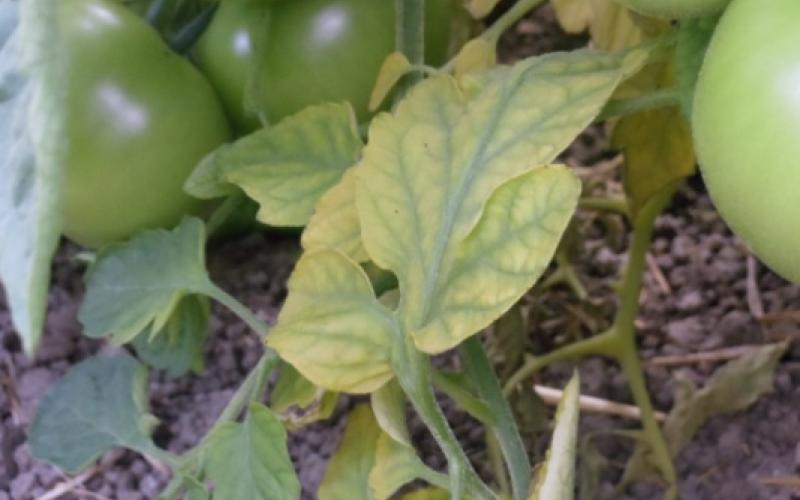
Monitoring and Correcting Magnesium Deficiency in High Tunnels
This point in the growing season is a good time to monitor and correct for magnesium deficiency in high tunnel crops, especially on tomatoes. Deficiency symptoms normally appear mid-season on plants with heavy fruit loads.
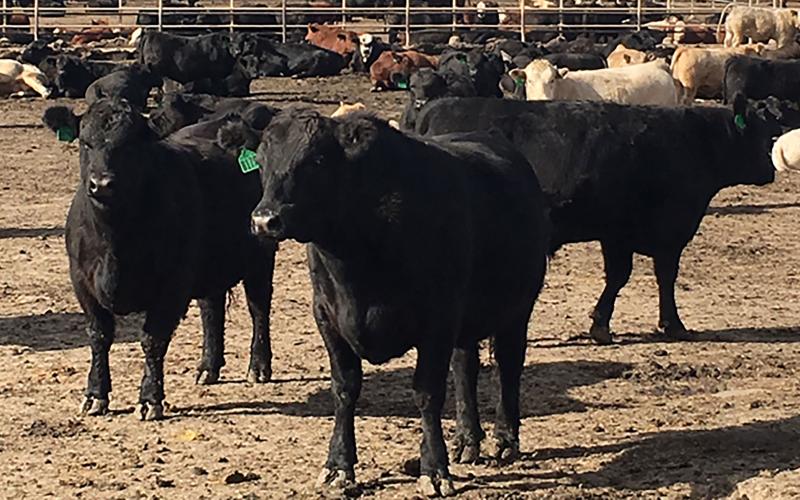
Drylotting Cow-Calf Pairs
Whether because of reduced forage production caused by drought, or increased competition for grazing acres, feeding lactating cows in a drylot is being at least considered as an option by more ranchers.
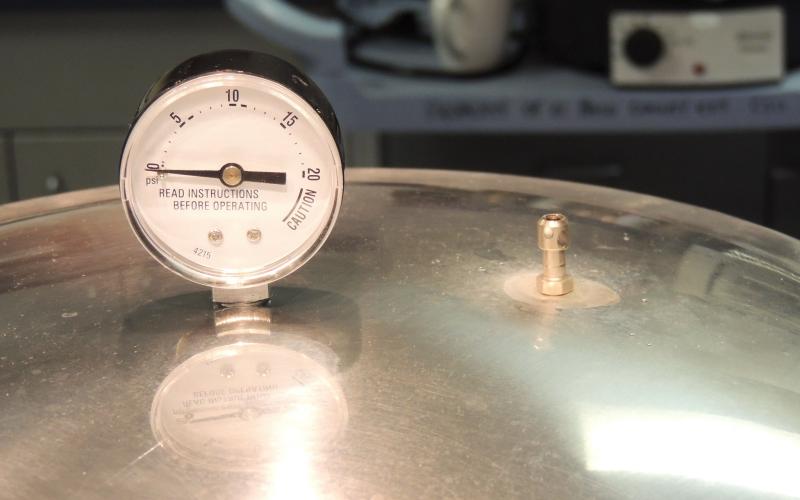
Altitude Adjustments for Home Canning
There are many guidelines to follow when canning, an important one often overlooked is checking one’s need to adjust for altitude.
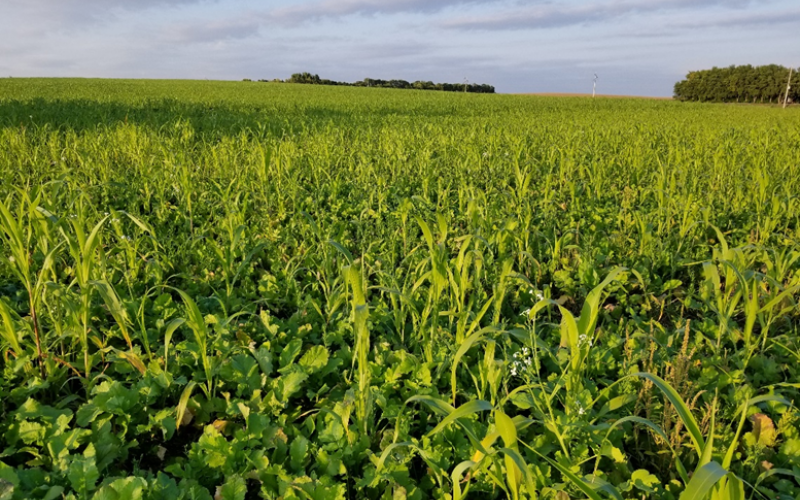
South Dakota Land Use Trends (2012-2017)
Significant education efforts for natural resource conservation have occurred in South Dakota during the last five years. Many stakeholder groups have brought awareness for soil health and water quality to the forefront.
Spring Wheat 2019: A Repeat of Last Year?
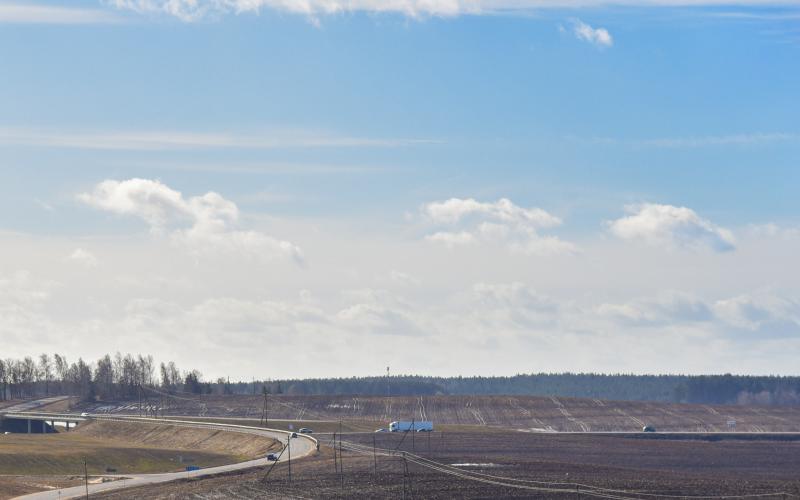
The spring of 2019 has been cold and wet in many areas of South Dakota, similar to the spring of 2018. In 2018, despite the challenging weather, spring wheat acres were up 8% from 2017. However, planted acres in 2019 may be reduced as the extended weather forecast shows unfavorable planting conditions extending well into May.
Winter Survival and Spring Stand Counts in Winter Wheat
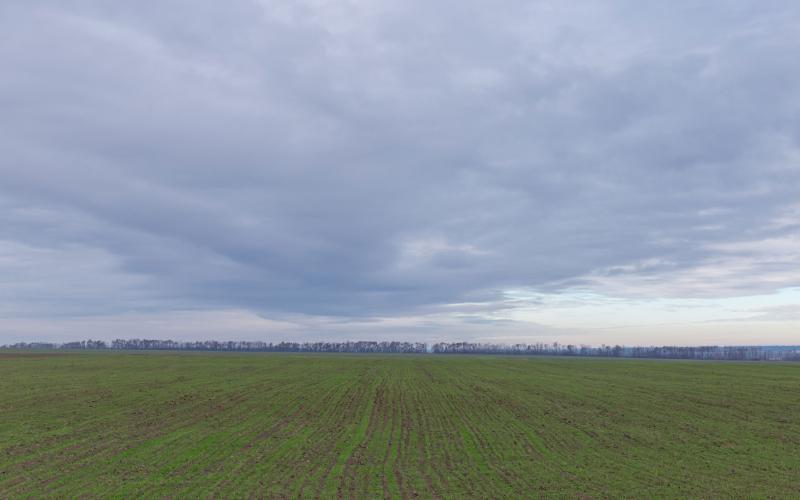
Every winter, growers are curious if their wheat field will survive the winter. Not enough snow cover during the coldest days, spring flooding, and ice injury are the main reasons for plants to die. The only way to get a true assessment of winter survival is to scout the field in the spring.
Use the SD Spray Tool for Inversion Detection and Weather for Pesticide Application
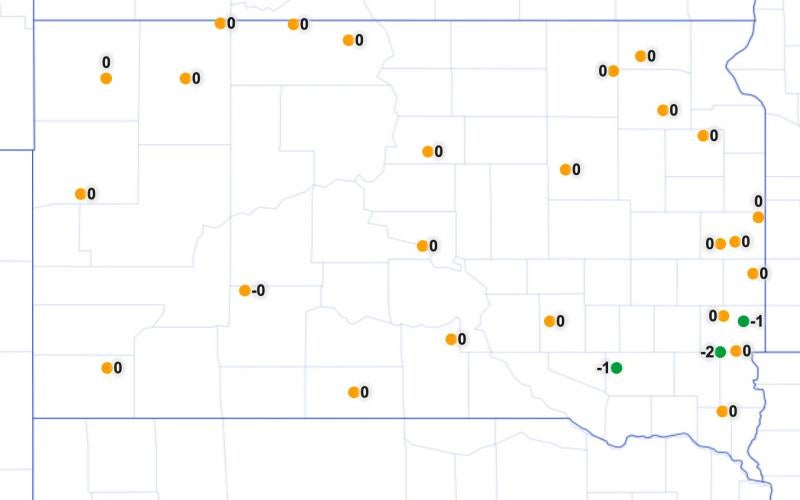
The SD Mesonet Spray Tool provides real-time weather data for pesticide applicators. This dedicated website for pesticide applicators uses the SD Mesonet weather data, which is updated every five minutes.
Field Studies: Replicated Comparisons vs. Side-by-Side Comparisons
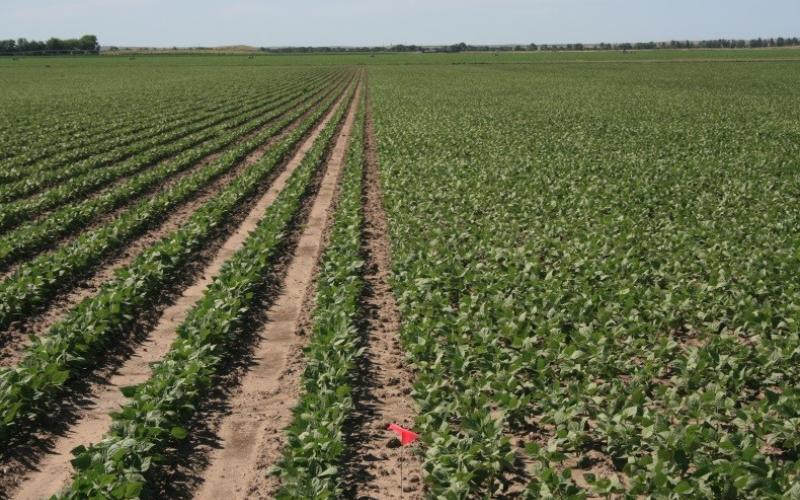
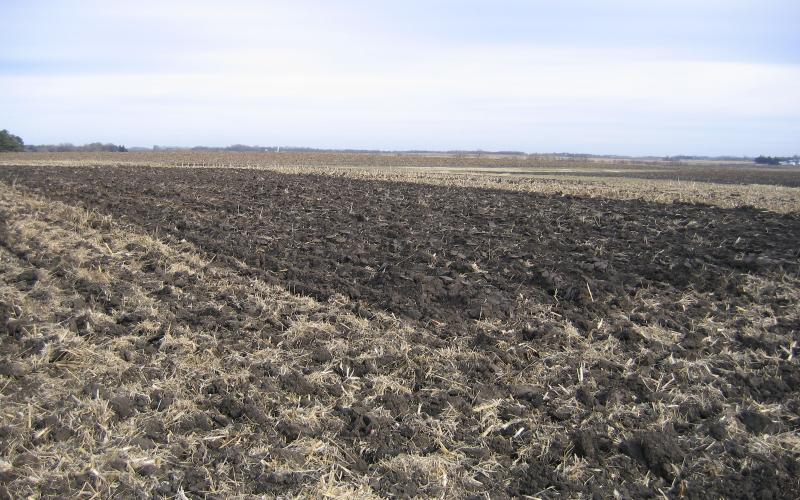
How should a basic study be set up or laid out in the field? One very common approach is to divide a field in half and compare the halves or possibly compare two fields in close proximity and see which variety or practice yields highest. This approach can end with very misleading results because of the variability that exists across a field or fields due to many factors.
Field Studies: What do You Mean 5 Bushels Per Acre is Not Significant?
Utilizing sound research results to help make decisions on the farm is a wise business practice. It can be confusing, however, when you see two numbers that are clearly not the same labeled as “not significantly different.”
Field Studies: Blowing the Whistle on Marketing Claims
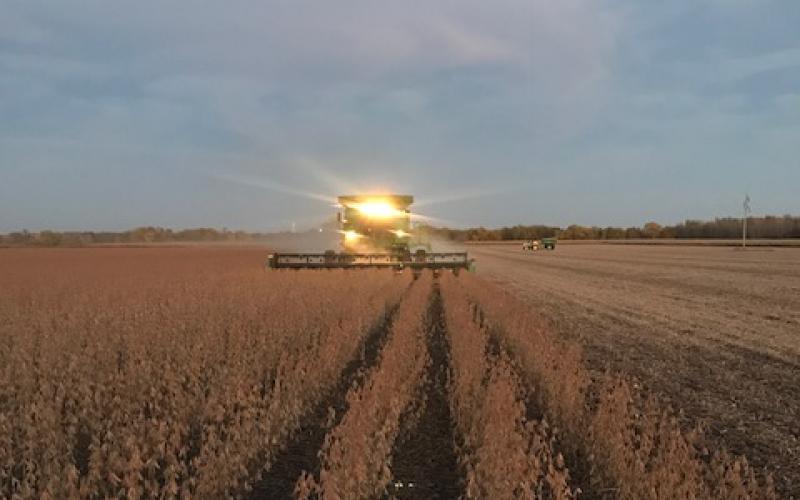
With technology surrounding today’s culture, data and marketing information has become a key part of life. The best way to determine if a product or practice is effective is to ask for the data and research backing a company’s claims. However, before a producer makes a decision, understanding the data and statistics is key.