Search
Calves From Other Sources
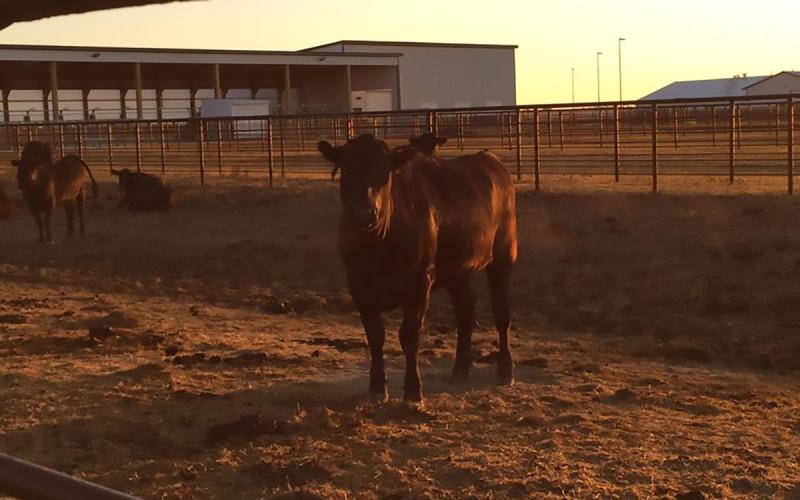
A few longer-run trends continue to dominate the supply-side story of cattle in South Dakota. Beef cow numbers continue to decline. The number of feeder cattle outside of feedlots has remained stable.
Virtual PQA Plus and TQA Certification Training Available
May 19, 2020
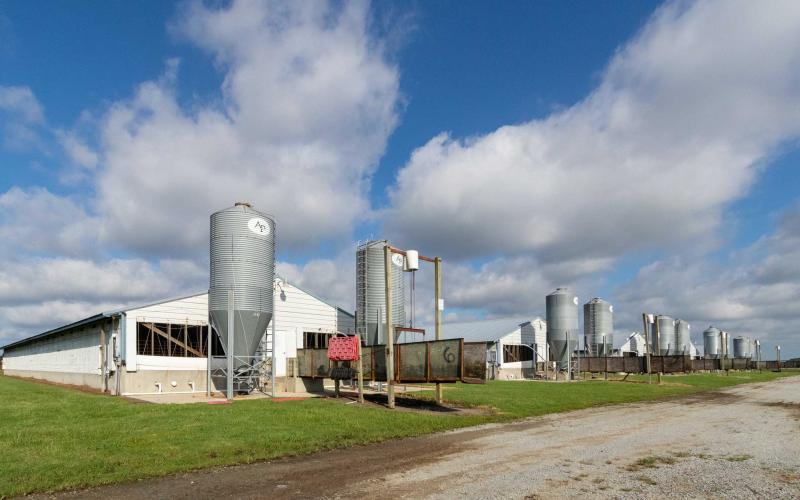
The National Pork Board has recently announced the opportunity to offer and complete Pork Quality Assurance (PQA) Plus and/or Transport Quality Assurance (TQA) certifications virtually.
Fall Pasture Report: Considerations for Dormant Season Grazing
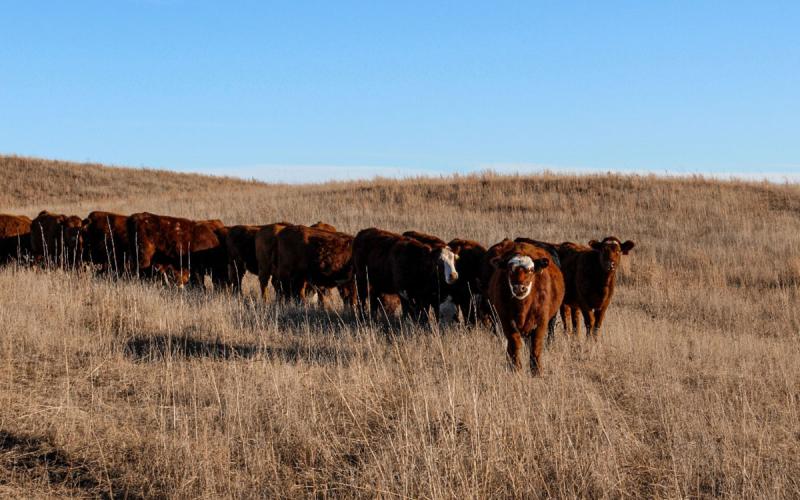
Recent fall rains across the region continue to improve soil moisture conditions in preparation for the dormant season. Unlike in years past, a fall green up has been in full swing for much of the region.
Increasing Adaptability With Alternative Grazing Strategies
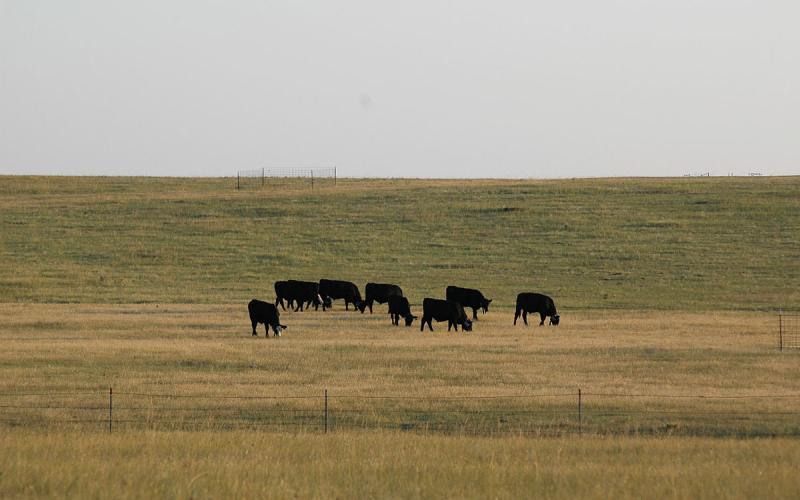
The greatest sum in most cattle budgets is simply keeping cows fed. Whether grazing cropland or grassland, there are countless opportunities to improve your operation's bottom line through alternative grazing strategies.
Conservation, Grazing, and Forage Situation
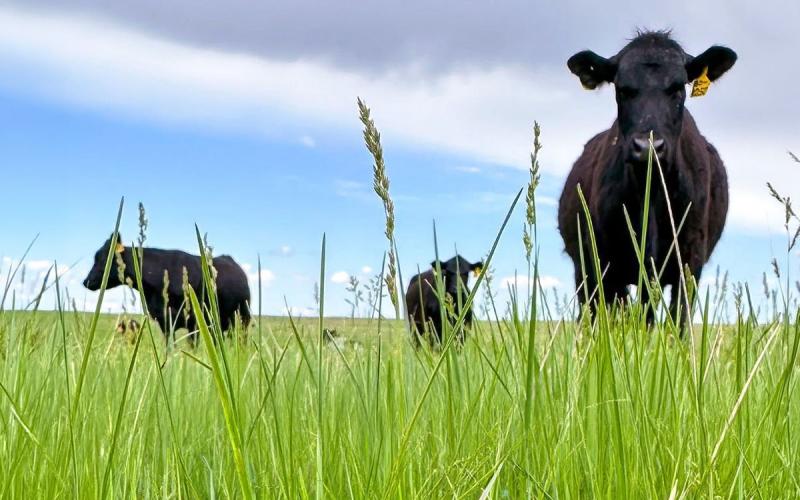
This report summarizes recent trends in the Conservation Reserve Program (CRP), harvested hay acreage, and grazing capacity in the United States and South Dakota. The purpose is to give a current picture of conservation enrollment and forage supply.
Trey Patterson Part 1
This week on Cattle HQ, Kiernan Brandt, former SDSU Extension Cow/Calf Field Specialist, and Robin Salverson, explore the tradition and innovation of the Padlock Ranch with Dr. Trey Patterson, CEO.
Horse Flies and Deer Flies Becoming Abundant
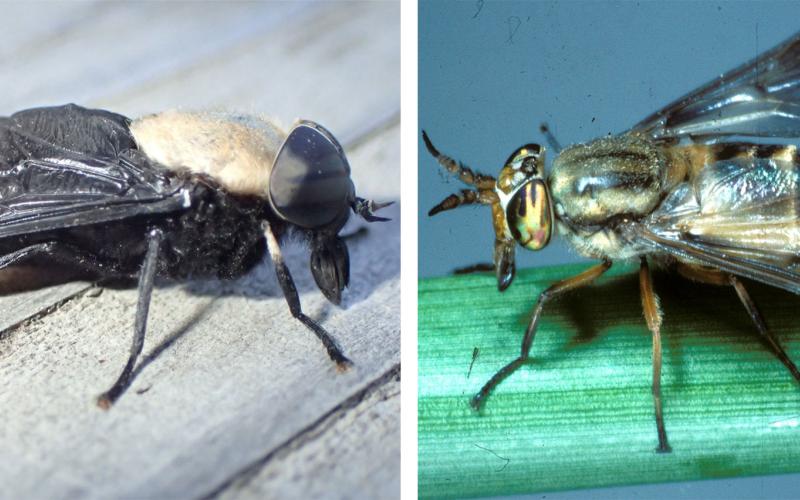
The above-average precipitation this year has led to increased numbers of horse flies and deer flies across South Dakota. Widespread flooding and an overall abundance of available water has made conditions perfect for these flies.
Animal Nutrition Program’s Feed Management Committee: Feed to Gain Calculator - Fat Inclusion
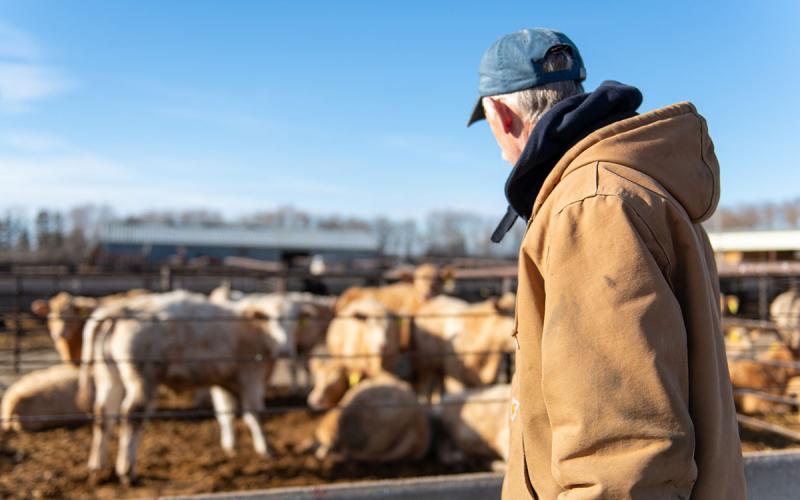
Adding fat to cattle diets is a common strategy to increase dietary energy density. Learn how to make informed feed decisions using a feed-to-gain breakeven calculator developed by the National Animal Nutrition Program Feed Management Committee.
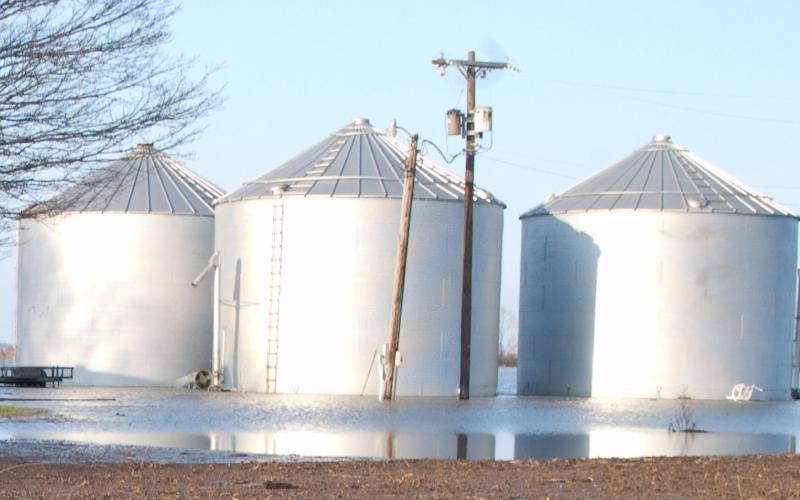
Stored Grains and Flooding
According to the Food and Drug Administration, grain inundated by watercourses is considered adulterated and must be destroyed. The portion of the grain that is not affected by the water can still be salvaged for its use.

Should We Sell Corn Stalks?
Grazing and baling corn stalks can offer producers financial and agronomic benefits, and also provide feed resources for cattle producers. Learn how to determine if it's the right decision for your operation.