Search

South Dakota 4-H Robotics - Getting Started
In South Dakota 4-H Robotics is about much more than the competition. It is about the development of youth through experiential learning. During the program youth are introduced to a variety of science, technology, engineering, and math (STEM) concepts, but also develop a variety of life skills including, but not limited to: problem solving, communication, and teamwork.
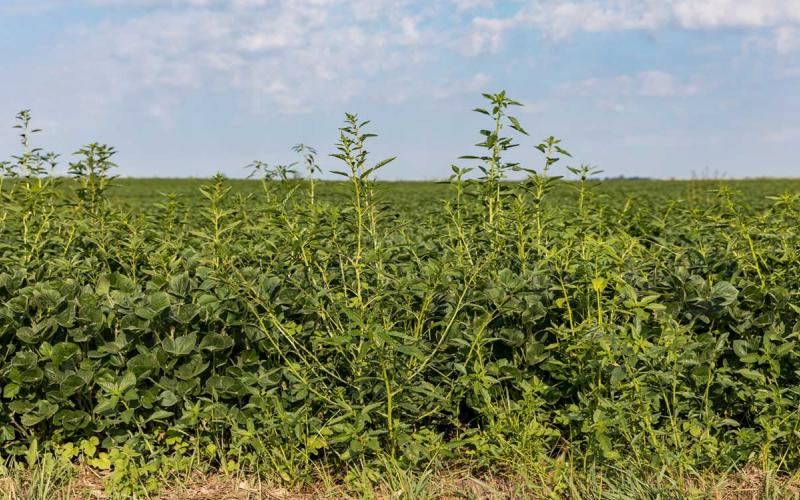
Enlist One (2,4-D) and Liberty (Glufosinate) Applied Alone or Mixed During the Day and Night: Weed Control and Soybean Yield Implications
Fact sheet on the research done to determine weed control effectiveness with Enlist One and Liberty alone and tank mixed when applied during the daytime and nighttime.
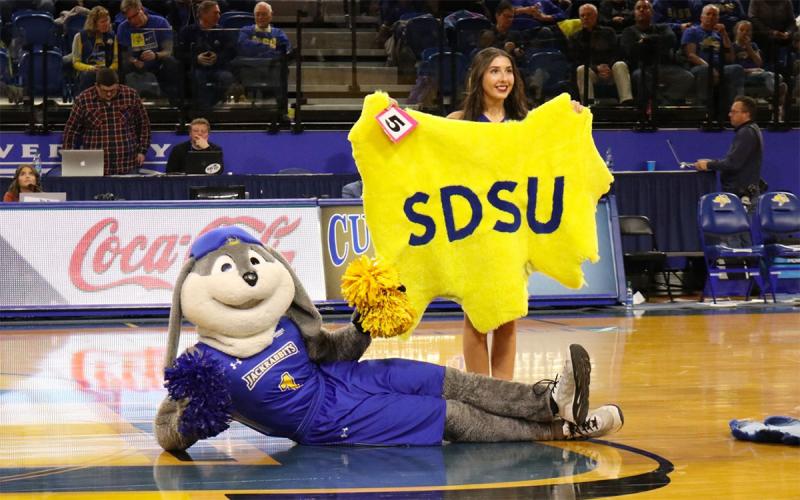
33rd Lamb Bonanza to showcase sheep industry during SDSU basketball game
January 02, 2025
The 2025 Lamb Bonanza is Saturday, Jan. 11, at First Bank & Trust Arena on the SDSU campus in Brookings. The game starts at 2 p.m. and features the SDSU women versus the University of Missouri-Kansas City Roos.

SDSU Extension to host Financial Fireside Chats webinar series
January 02, 2025
Financial Fireside Chats is a free series of webinars every Tuesday for six weeks that tackles timely topics designed to promote financial well-being for participants of all ages.

SDSU Extension offers virtual suicide prevention training
January 03, 2025
QPR is a 60-minute, evidence-based training that teaches three simple steps anyone can learn. People trained in QPR learn how to recognize the warning signs of suicide, offer hope and get people the help they need.

SDSU Extension introduces volunteer financial mentoring program
January 03, 2025
Over 10 weeks, the Money Mentor Volunteer program will help South Dakotans learn how to facilitate personal finance educational programming. Those who successfully complete the program will be certified to lead personal finance workshops in communities and to provide one-on-one financial education.
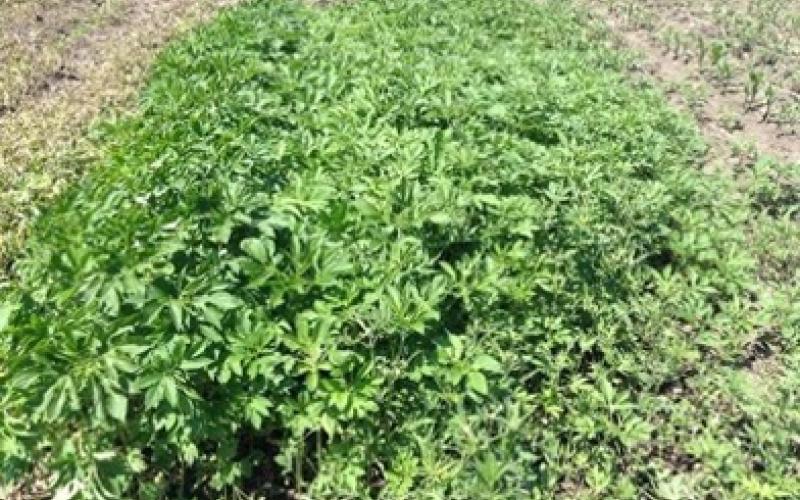
Identification and management of common ragweed and giant ragweed
Fact sheet to help identify and manage common ragweed and giant ragweed.
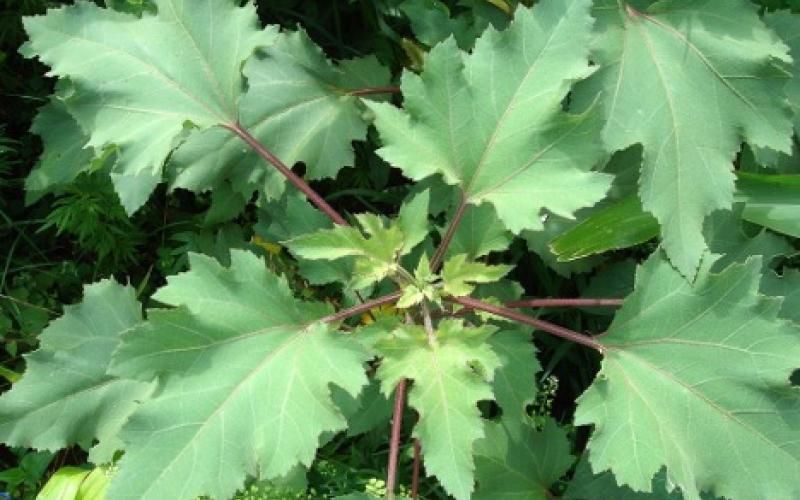
Identification and management of common cocklebur
Fact sheet to help identify and manage common cocklebur.
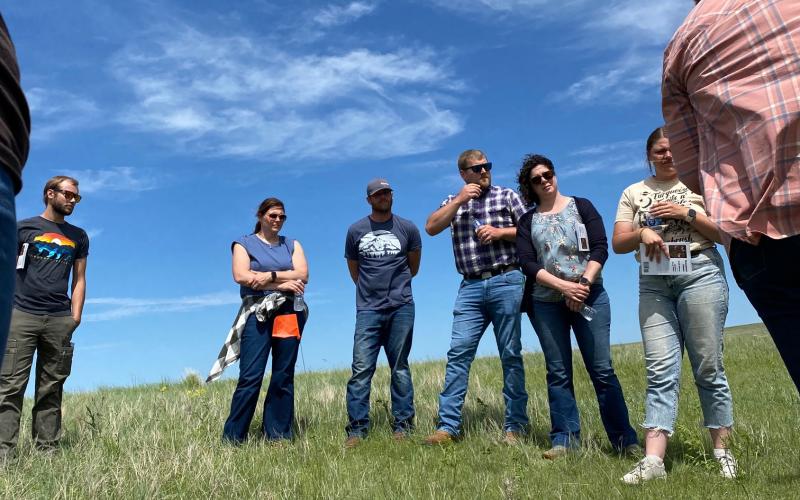
beefSD helps cattle producers ‘raise the steaks’
January 17, 2025
Since 2010, 175 participants from more than 100 operations in South Dakota and Minnesota have completed beefSD. The well-established intensive educational program is designed to take beginning beef producers to the next level in beef enterprise management.
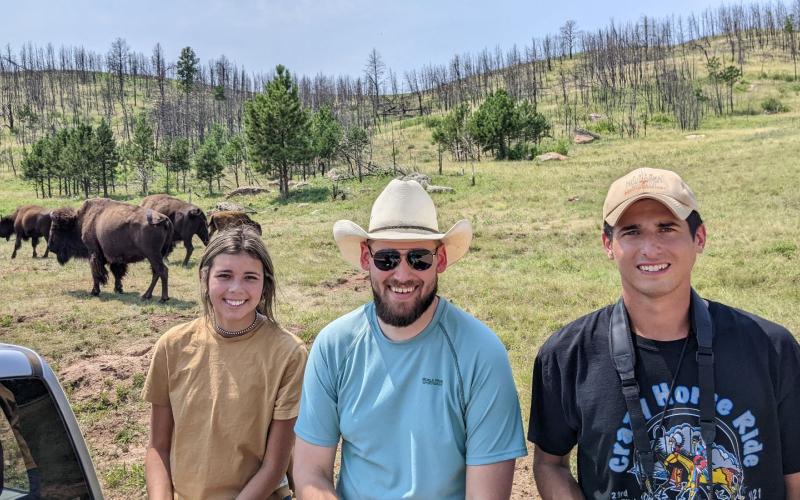
Bringing happy, healthy bison back to the Great Plains
January 17, 2025
There are approximately 400,000 bison across North America, down from 30 to 60 million prior to the 1860s. South Dakota has the largest bison population in the U.S. with nearly 40,000, and Martin hopes to see it keep rising.