Search
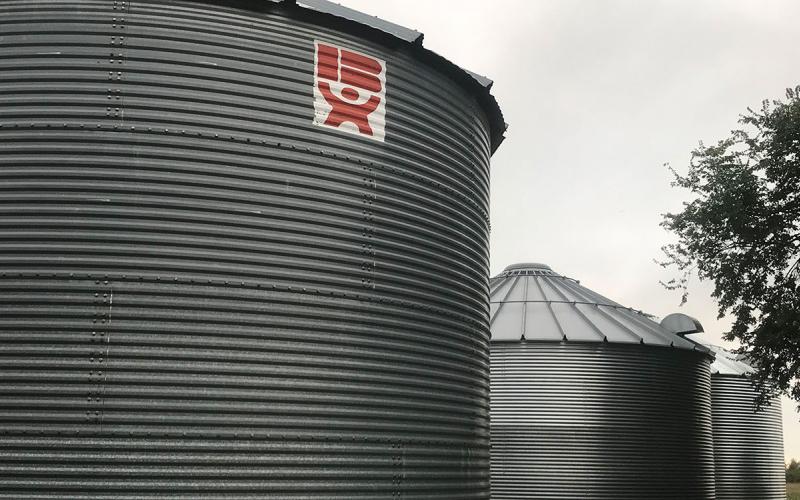
Fall Grain Storage Tips
As the temperature drops, don’t forget to check on your stored grain. Although most of the South Dakota grain harvest was sufficiently dry this year, we still need to watch grain storage temperatures and conditions.
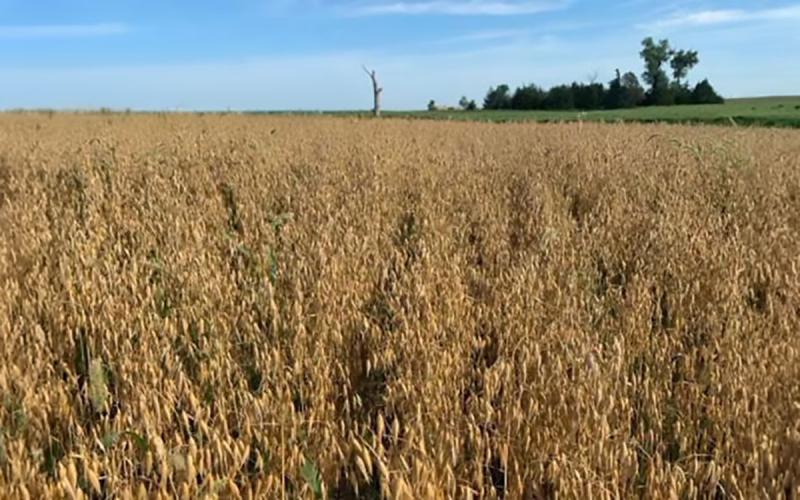
Annual Forage Rainfall Index Insurance: A Risk Management Tool for South Dakota Producers
Drought remains a recurring challenge for South Dakota livestock and forage producers. Annual Forage Rainfall Index insurance is one tool that may help reduce the financial risk associated with below-average precipitation.
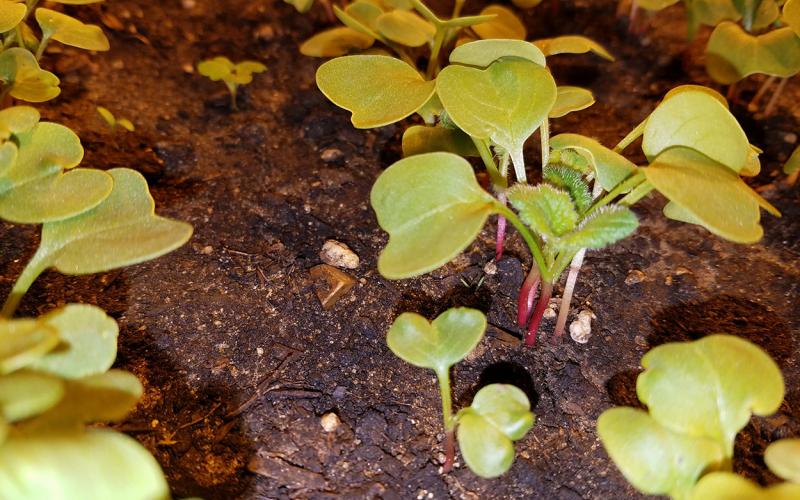
Radish: A Quick-Growing Vegetable To Enjoy in Spring
Radishes can be planted early in the growing season, as they germinate in soils temperatures as low as 40 degrees Fahrenheit.
Variances in Working Capital to Gross Farm Revenues
Learn some of the key differences in working capital to gross revenue among farm types, level of gross sales and by net income.
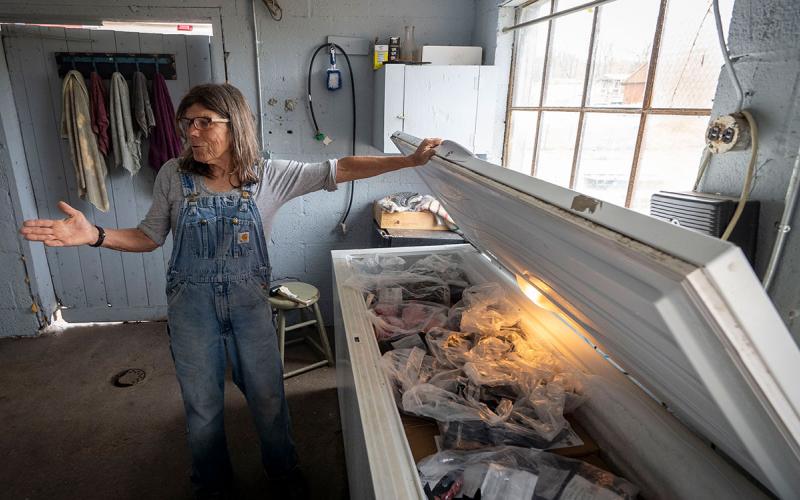
Direct Marketing Lamb: Selling Direct to Consumer
The growing interest in food chain transparency has fostered the growth of direct marketing meat to consumers. Learn some of the challenges and opportunities this style of marketing offers lamb producers.
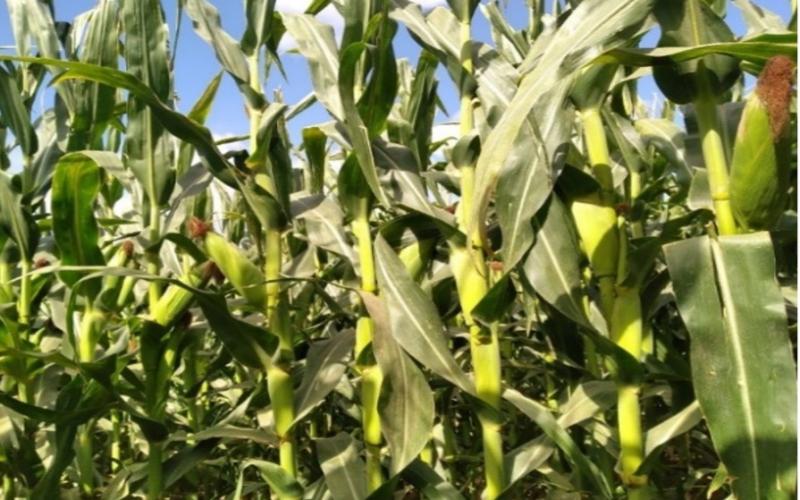
Monitoring Corn Nutrient Deficiencies: The Traditional and Precision Ag Approach
To maximize growth and productivity, plants require 17 different nutrients.
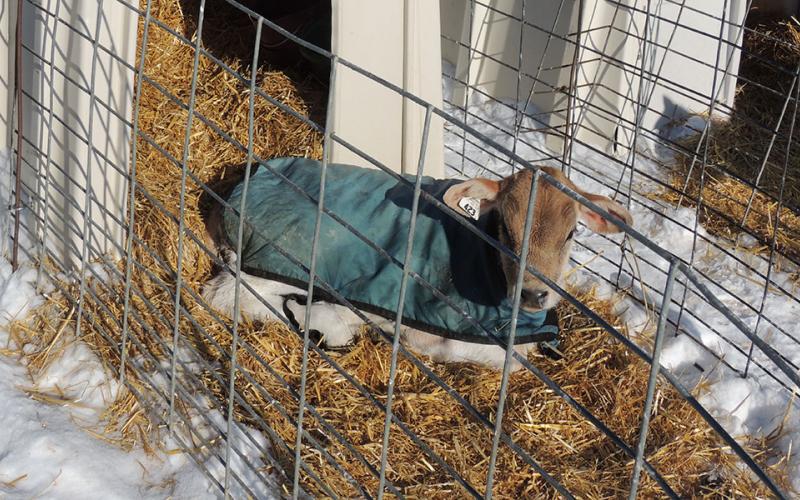
Winter Preparedness on the Dairy Farm
Weather this time of year can change in a hurry. So how many of you as dairy producers have heeded the warning and taken the time to prepare for the upcoming winter?
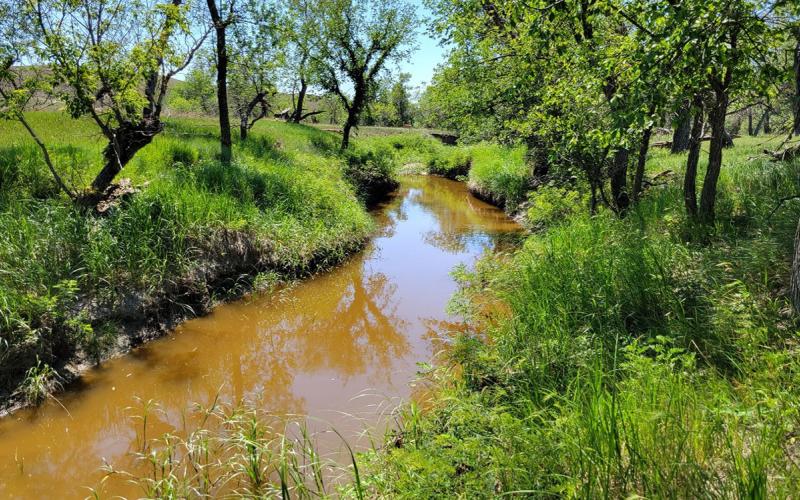
Ranching and Prairie Streams: Why Riparian Areas Matter
For many producers, riparian pastures are essential to their operations. However, land managers need to balance grazing and utilization needs with riparian health for the long-term benefit of their operation.
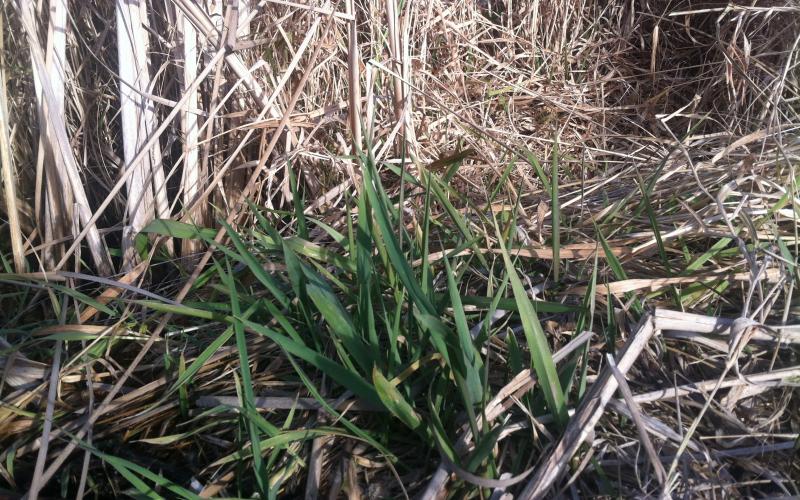
Reed Canary Grass: Possible Prussic Acid & Alkaloid Issues
Prussic acid issues with reed canary grass are poorly understood and may go unrecognized if they occur. This article addresses a little-known but interesting aspect of the biology of reed canary grass.
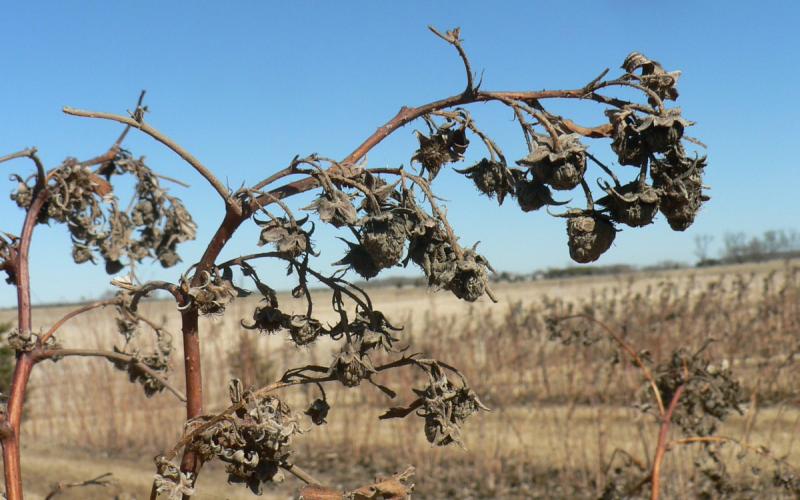
Pruning Red Raspberries
Red raspberries can produce a quart of fruit or more per linear row, but high yield fruit production requires annual pruning.