Search

2024 Annual Climate Review
The final climate numbers are in for 2024. Learn what the year brought for temperatures, precipitation, and drought conditions throughout the state.

South Dakota team places third at 4-H Shooting Sports National Championships
August 02, 2023
South Dakota youth had a strong showing at the 4-H Shooting Sports National Championships, including third place for the team sweepstakes award.

SDSU Extension names 4-H State Ambassadors for 2025-‘26
October 10, 2025
South Dakota State University Extension 4-H is pleased to announce the youth chosen as State 4-H Ambassadors for the coming year.
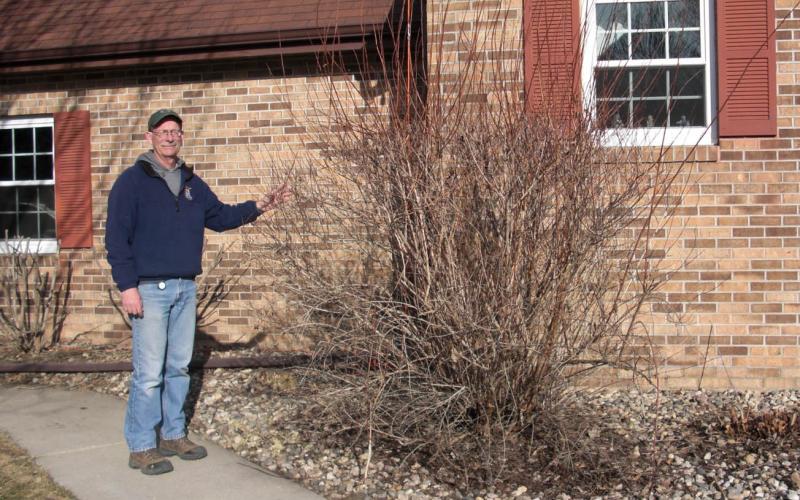
Pruning Flowering Shrubs
Pruning not only benefits flowering but can also enhance bark color for shrubs with colorful canes.

Effective Meeting Communication Begins With the Principles
Does every meeting require guiding principles? Probably not; however if you have a group of people who haven’t worked together before, it can help to determine expectations at a meeting.
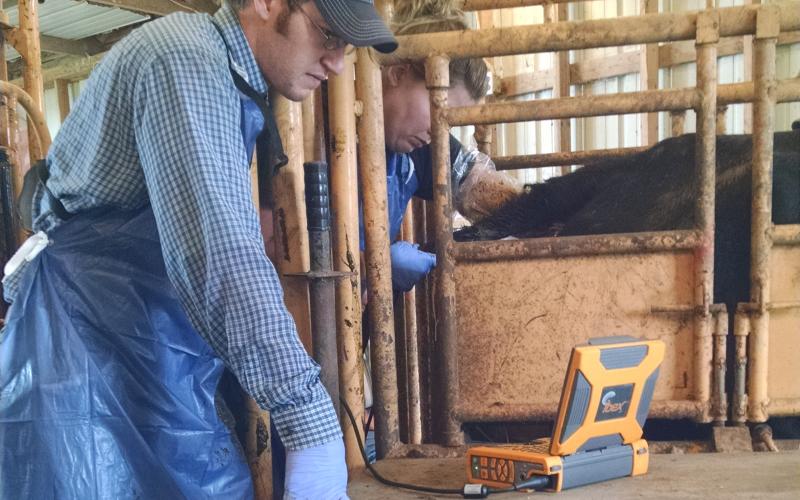
Checking for Success: The Value of Pregnancy Checking the Cow Herd
Successfully managing drought conditions not only requires careful monitoring of pastures and inventory of feedstuffs, but management should also take into account the productive cow herd size.

SDSU Extension creative writing workshops continue in April
March 18, 2025
South Dakota State University Extension’s online creative writing workshops will continue in April, with a focus on obituary writing.
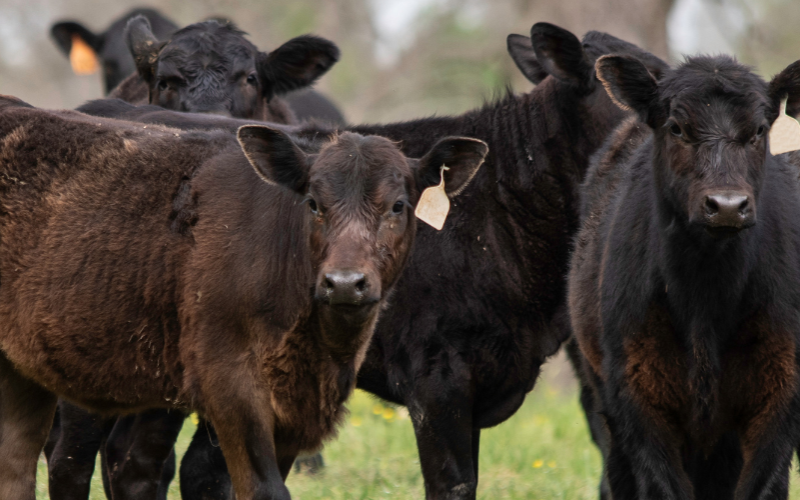
Register now for SDSU Extension Calf Value Discovery program
October 07, 2025
Registration is open for the 2025-2026 South Dakota State University Extension Calf Value Discovery program.
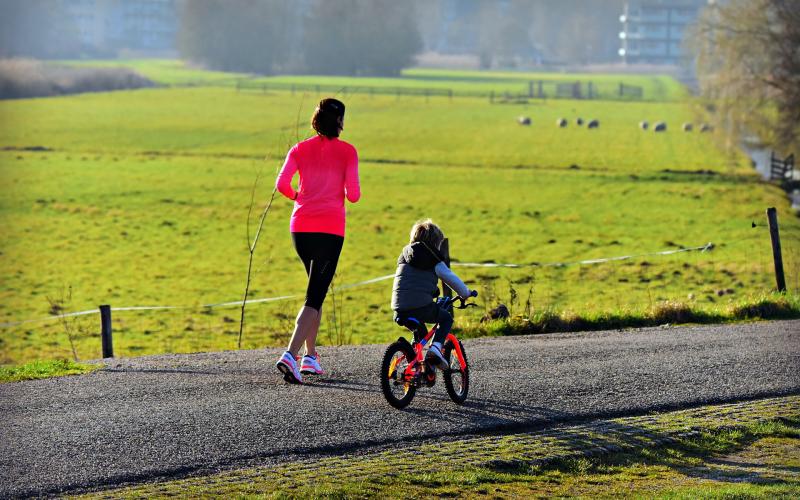
Keeping Health at the Forefront as a Busy Parent
It’s Monday, after a busy weekend traveling to sporting and school events, family gatherings and catching up on housework, an overwhelming feeling of stress and inorganization fills your mind. Your time is stretched thin and thinking about how to keep your children’s eating and exercise habits a priority, as well as your own, is something that feels too complicated and requires too much of your time.
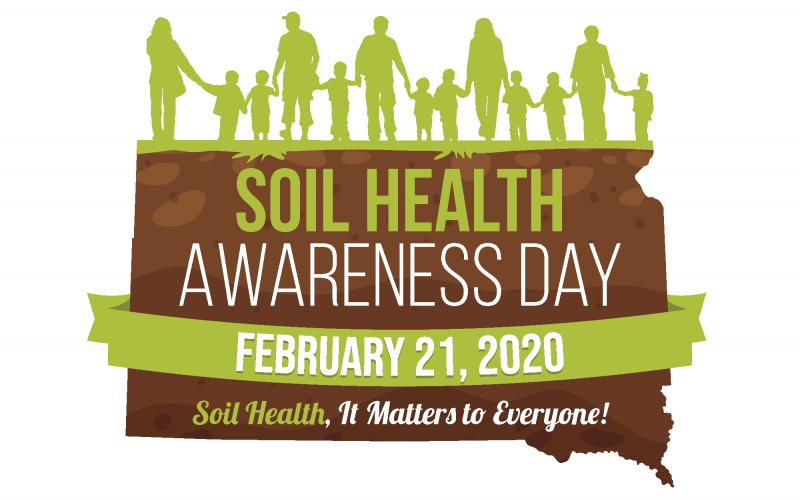
South Dakota Declares February 21 Soil Health Awareness Day
February 20, 2020
South Dakota Governor Kristi Noem has declared February 21, 2020 Soil Health Awareness Day. Agriculture contributes over 132,000 jobs and 32.5 billion dollars in total output to South Dakota’s economy.