Search
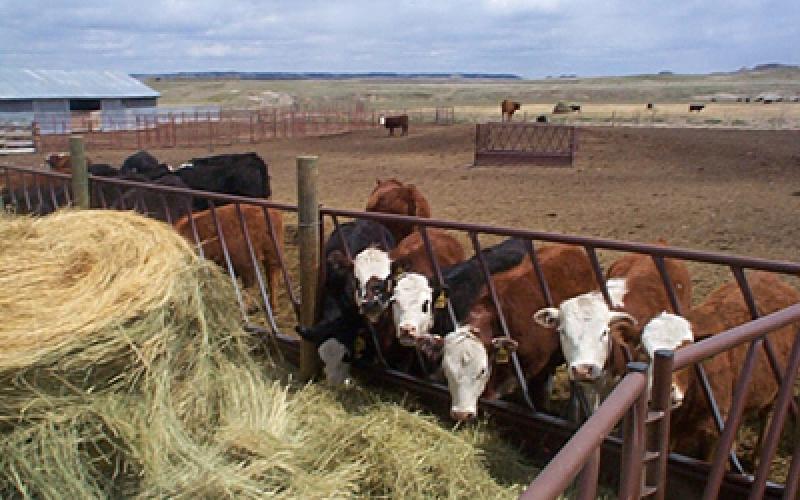
Herd Management: Keep or Cull During a Drought?
Drought forces unexpected changes so it’s critical to have a strategy to keep only the “right” females that will benefit the operation.
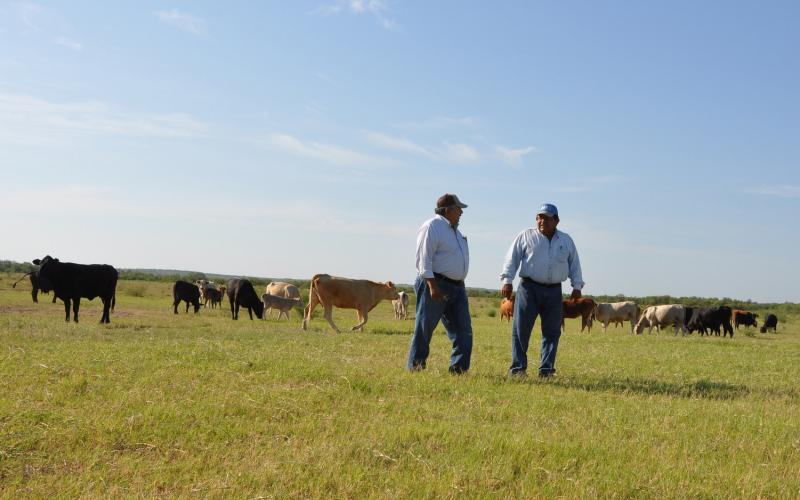
Rotational Grazing Benefits: South Dakota Producer Perceptions
To better understand producer perceptions on rotational grazing, we sent out 1,500 surveys to South Dakota ranchers inquiring about adoption status and perceptions of rotational grazing.
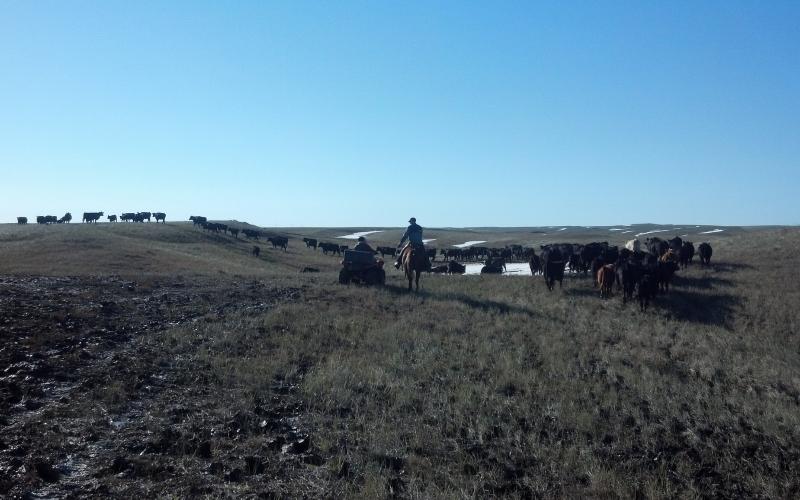
Late-Term Reproductive Losses in Beef Cattle: Diagnosing the Cause
Reproductive losses account for $1 billion in lost revenue to the beef industry each year. With cattle reproduction, focusing on what we can control and diagnose is the key to avoiding these losses.
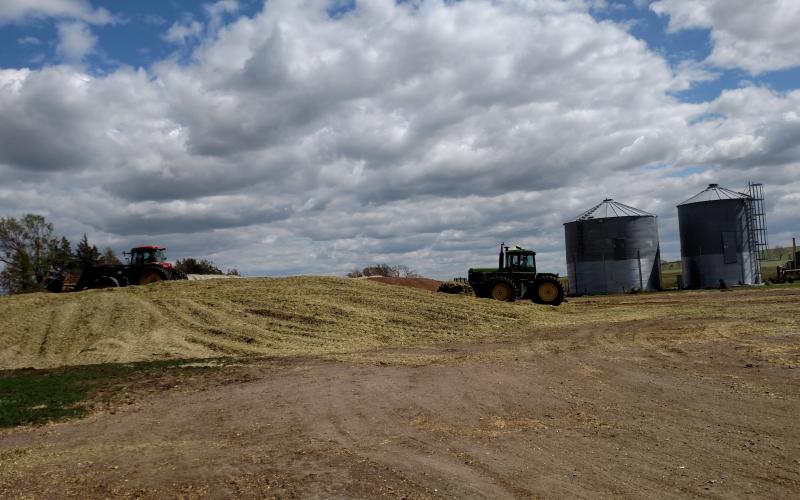
Silage Moisture Testing Tips
Two key points to keep in mind when making high-quality silage are moisture content before harvest and nutrient content before feeding.

Switching Corn Hybrid Maturities
The decision to change maturities is ultimately up to each individual producer and is based on unique situations such as risk tolerance and harvest capabilities, such as drying capacity.

Large Farms More Dominant in South Dakota Crop Production
Large farms play a more dominant role in South Dakota crop production, according to the recently released 2017 U.S. Census of Agriculture. As of 2017, large farms of more than 2,000 acres operate 66.8% of South Dakota total cropland aces compared to 47.7% as of 1997.
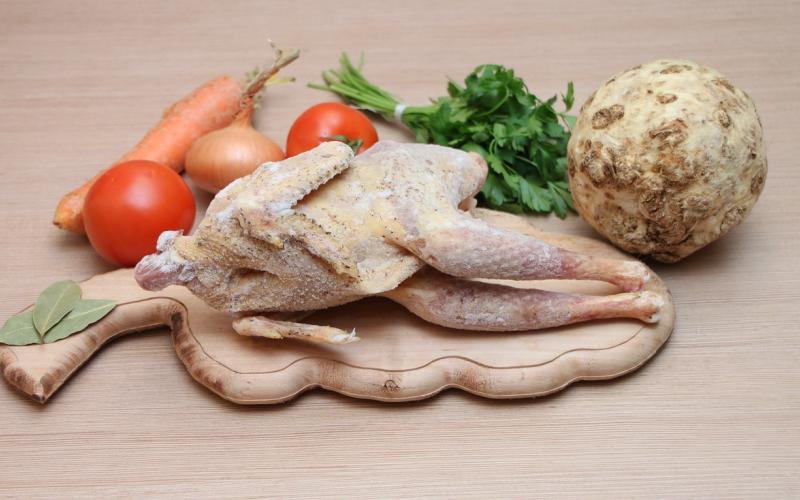
Selling Poultry at a Farmers Market in South Dakota
Poultry exemptions can be difficult to interpret. This article was developed to address some of the questions small growers may have regarding poultry exemptions for selling at the farmers market in South Dakota.

What You Need To Know To Enroll in Health Insurance Through the Marketplace
The Health Insurance Marketplace allows consumers to complete a streamlined application to determine qualification for coverage under different health care plans. Learn some tips for getting started during the open enrollment period of November 1 through January 15.
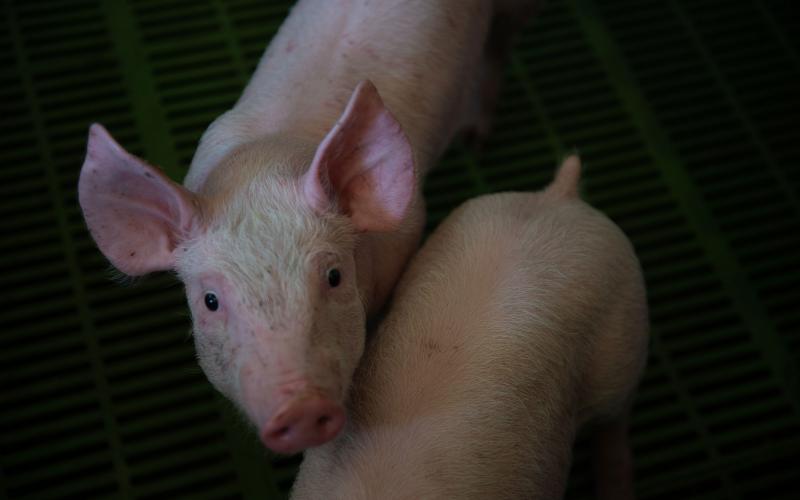
Creating a Secure Pork Supply Plan
African Swine Fever and preparing for foreign animal disease outbreaks is at the forefront of people’s minds. Your state animal health officials offer guidance for participating in the Secure Pork Supply (SPS) Plan. Let’s take a closer look at the critical steps in developing a personalized SPS Plan for Continuity of Business.

Keeping Health at the Forefront as a Busy Parent
It’s Monday, after a busy weekend traveling to sporting and school events, family gatherings and catching up on housework, an overwhelming feeling of stress and inorganization fills your mind. Your time is stretched thin and thinking about how to keep your children’s eating and exercise habits a priority, as well as your own, is something that feels too complicated and requires too much of your time.