Search
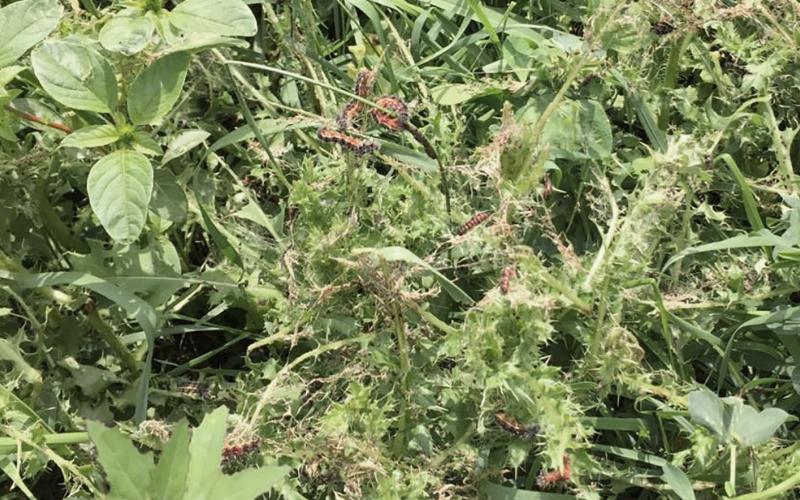
Thistle Caterpillars Showing Up on Canada Thistle
This week we received reports of caterpillars feeding on Canada thistle. After taking a look at the caterpillars, we determined that they are thistle caterpillars. However, we typically don’t see thistle caterpillar activity in S.D. until July or August. So why are they showing up so early this year?
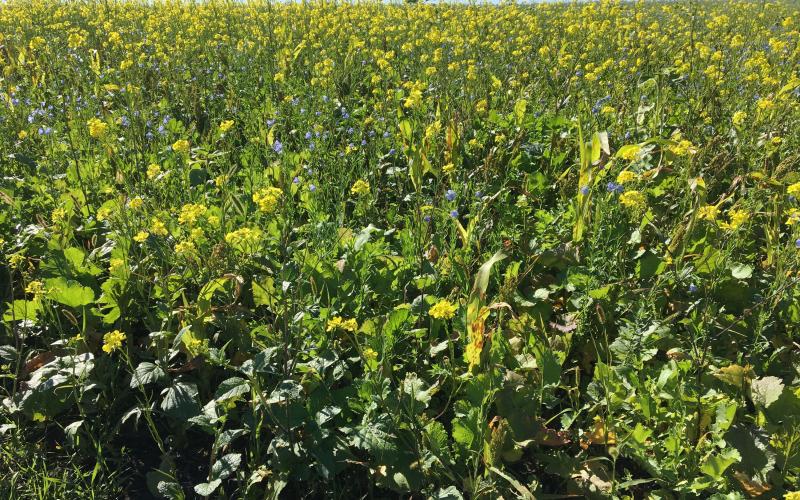
Herbicide Considerations for Cover Crop Planting in 2019
Long residual pre-emergent or early post-emergent herbicides may cause stand reduction or complete failure of cover crops. Depending on efficacy of the herbicide, each situation can both affect in-season and/or post-harvest cover crop establishment.
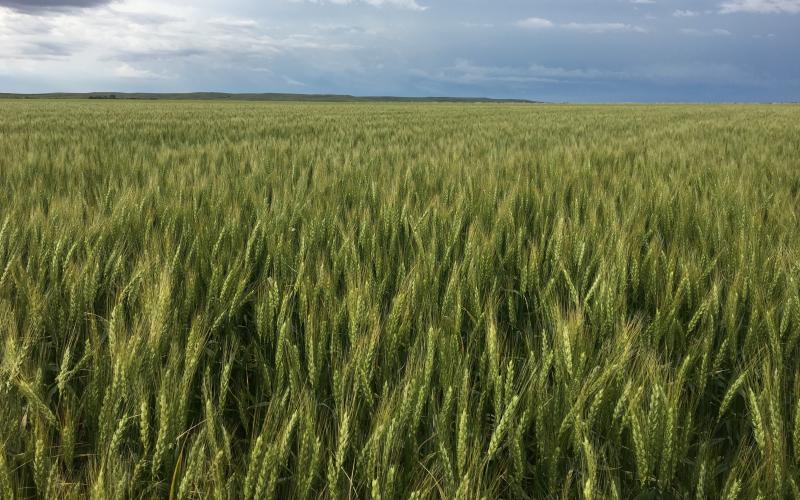
Small Grain Pre-Harvest Options
Consider pre-harvest herbicide applications in crop ground planted with small grains that are grown for seed or forage. Dense weed populations may inhibit harvest, therefore proper control of them early in the growing season is best.
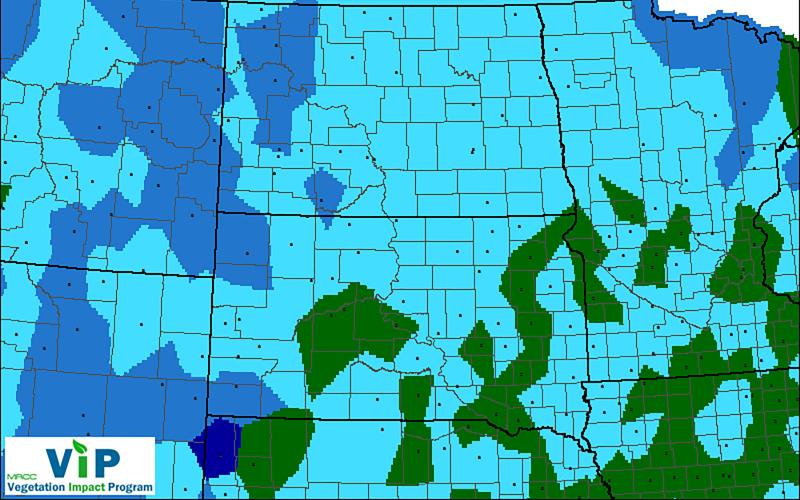
Fall Frost and September Climate Outlook for 2019
This year’s struggles with weather and climate are continuing this fall. Late planting of corn and soybeans in the spring have now combined with near average or cooler than average summertime temperatures. This combination has led to slow crop growth and the need for an extended frost-free season to ensure these crops reach maturity.
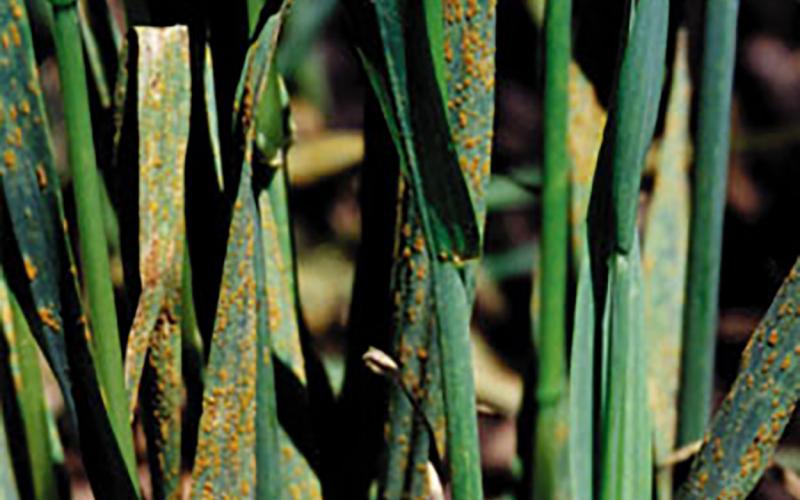
Does Crown Rust in Oats Cause Problems for Livestock?
When wet, cool conditions predominate in the spring, crop producers may have to deal with crown rust in oats. When this crop disease is abundant, questions from livestock producers arise. Could crown rust in oats harm livestock if it’s present on pasture or in hay?
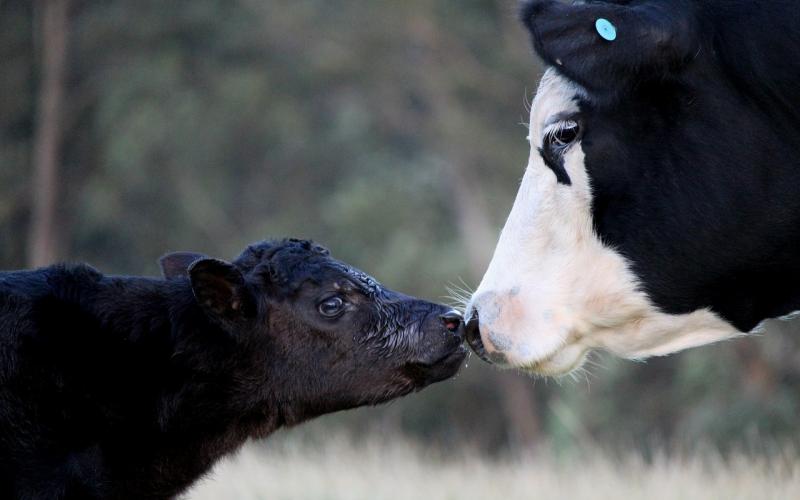
Heterosis and its Impact
Heterosis is not new to the livestock industry and its benefits have been well documented.
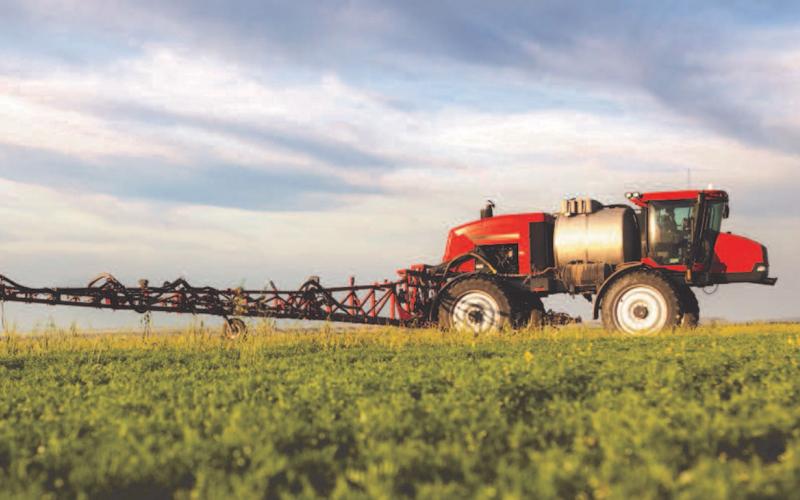
How to Stop Drift
The goals of applying any crop protection products include: increasing effectiveness, mitigating drift, and maximizing profits. We will focus on mitigating drift, even though all three interact with each other.
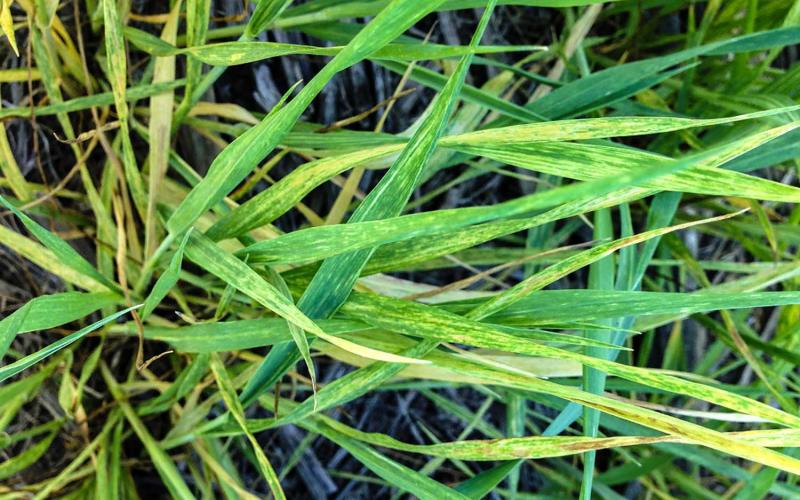
Wheat Streak Mosaic Disease Developing in Winter Wheat
Although the majority of winter wheat in the state is rated good to excellent in the recent USDA-NASS report, a few winter wheat fields in Central South Dakota have been diagnosed with wheat streak mosaic disease (WSMD) caused by wheat streak mosaic virus (WSMV).
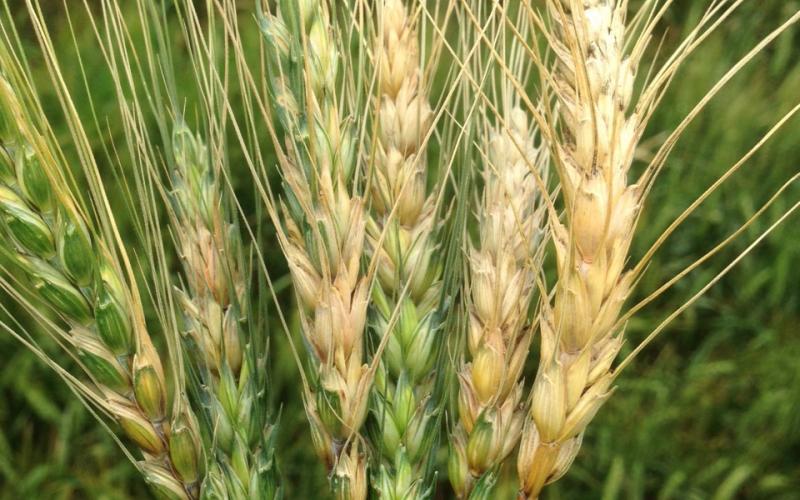
Wheat Stem Maggots Observed in S.D. Wheat
While scouting wheat fields throughout South Dakota, we have started noticing the presence of bleached heads scattered throughout many different fields. These discolored heads are the result of an infestation of the wheat stem maggot.
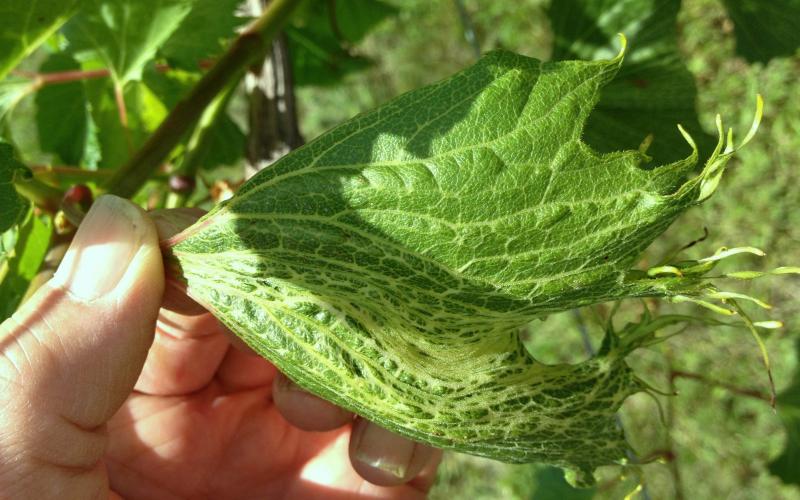
Herbicide Damage to Fruits and Vegetables
Each year in early summer, many growers begin to notice distorted leaves on their fruits, vegetables, and crops. Most commonly the cause is a herbicide application to a nearby field.