Search

SDSU Extension, SD Specialty Producers Association to host soil, cover crop field day
August 23, 2024
South Dakota State University Extension and the South Dakota Specialty Producers Association invite the public to attend a Soil Health and Cover Crop Field Day for vegetable growers.
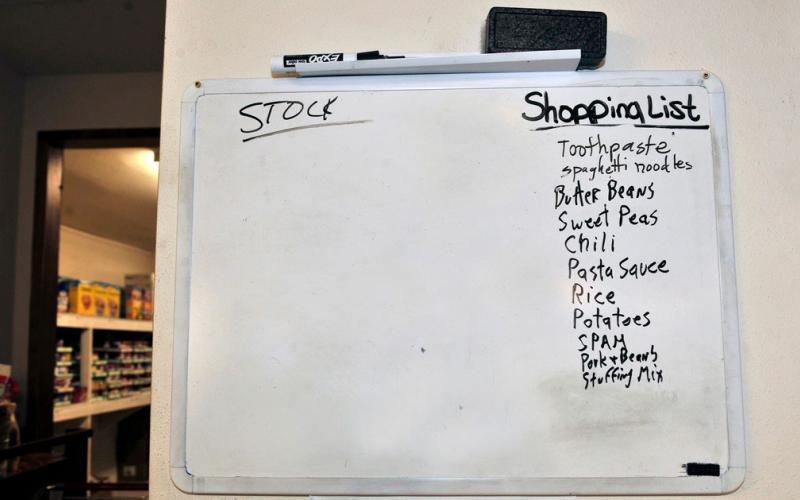
Helpful Food & Shopping Tips During Unexpected Events
When faced with unexpected events, such as a health crisis or natural disaster, planning meals and grocery shopping often comes to mind along with questions: What should I plan to make? What groceries do I need?
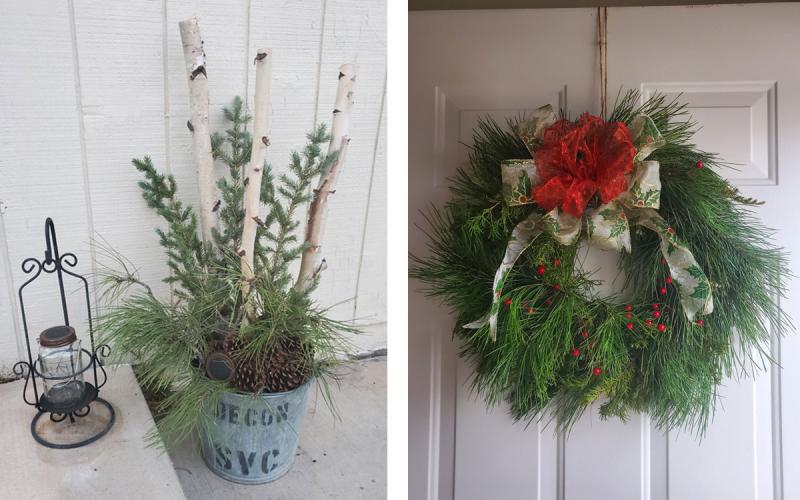
Create Your Own Holiday Greenery This Season!
If you’re already itching to get back into the garden, holiday-themed pots and wreaths can add a fresh touch to the season and bring a little natural cheer to the holidays!

SDSU Swine Day to Celebrate Swine Education and Research Facility’s Fifth Anniversary
October 08, 2021
South Dakota State University Extension will commemorate the fifth anniversary of the SDSU Swine Education and Research Facility at this year’s Swine Day on Nov. 2.

SDSU Extension Announces Agriculture Behavioral Health Voucher Program
February 24, 2022
Brookings, S.D. – SDSU Extension, the South Dakota Department of Social Services (DSS), and the South Dakota Department of Agriculture and Natural Resource (DANR) have launched an Agriculture Behavioral Health Voucher program.

Fit on the Farm
Although regular job duties on the farm may include intense physical tasks, aerobic physical activity is still needed in addition to the short burst, physical tasks.

Bookwork, The Missing Management Component: Consistency of Financial Records
Consistent record keeping will allow for accurate ratios and trend analysis. While operations will change, grow, or contract, having a standard operating procedure will allow for analysis and decision-making.
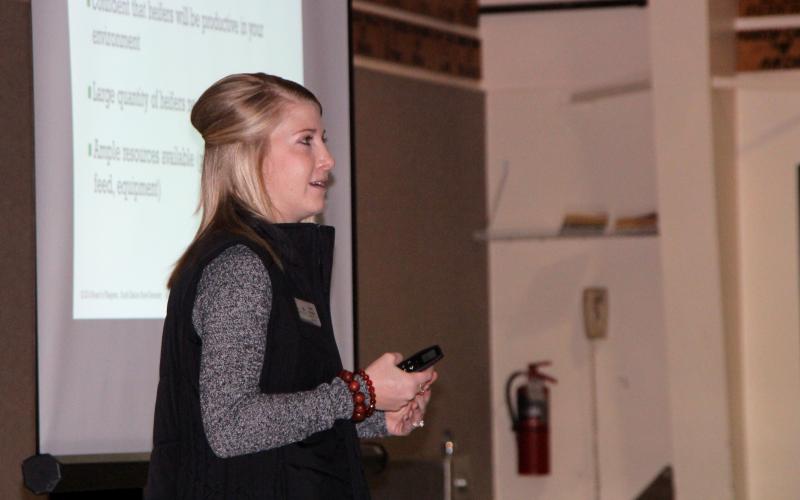
Finding Females for the Cowherd
The type and kind of females chosen for your cowherd is an important decision that can have long-term implications and great impact on the economic viability of the operation.

Boost Your Immunity With Simple Lifestyle Changes
Have you ever thought about how your daily routine or health habits affect your overall health? Have you been told that making time for those little things such as sleep, nutrition, exercise, and stress management, for example, can all affect more than one aspect of your life?
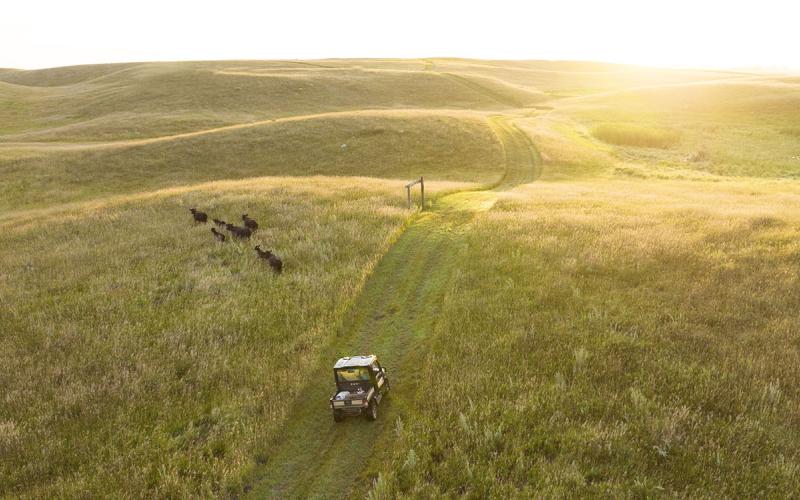
Holistic Ranch Management Helps With Economic and Climate Resilience
Holistic ranch management offers ways to think about ranching as part of a diverse ecological system. Learn how two South Dakota operations have leveraged it to generate multiple income streams from shared resources.