Search
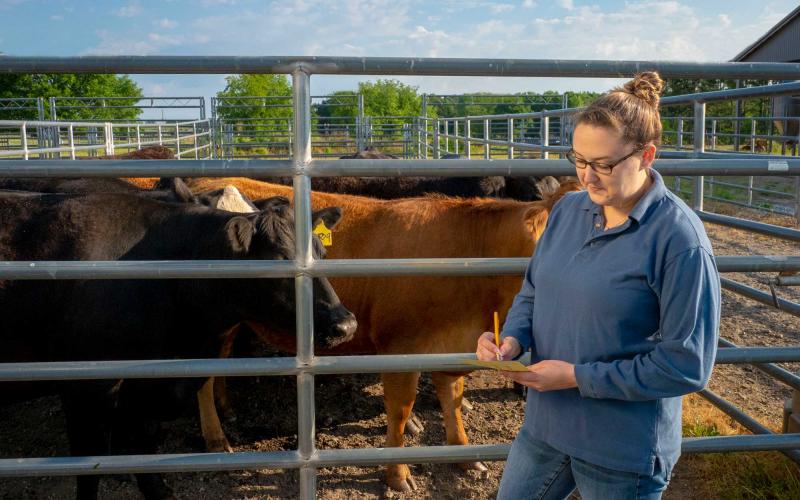
Capitalizing on Cow Costs: Part 2
In a previous article, ‘Capitalizing on Cow Costs’ reducing feed costs to improve cow efficiency was discussed. To continue the conversation, another area of cost reduction is in cull cows, bulls and calf death loss.
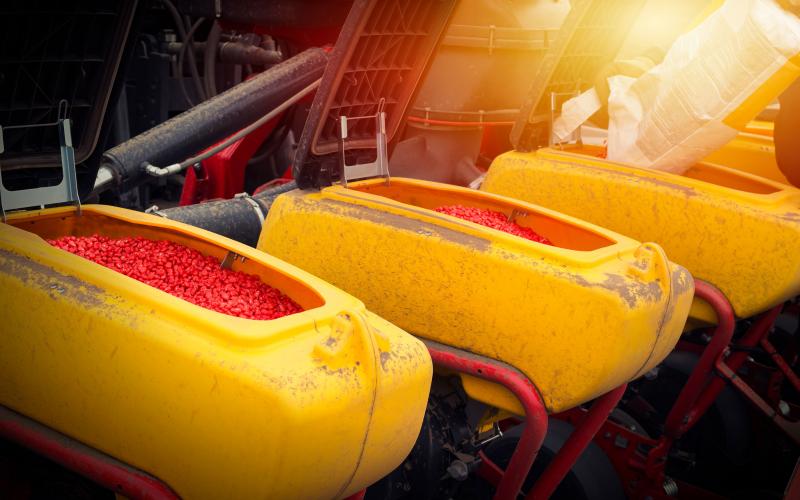
Switching Corn Hybrid Maturities
The decision to change maturities is ultimately up to each individual producer and is based on unique situations such as risk tolerance and harvest capabilities, such as drying capacity.
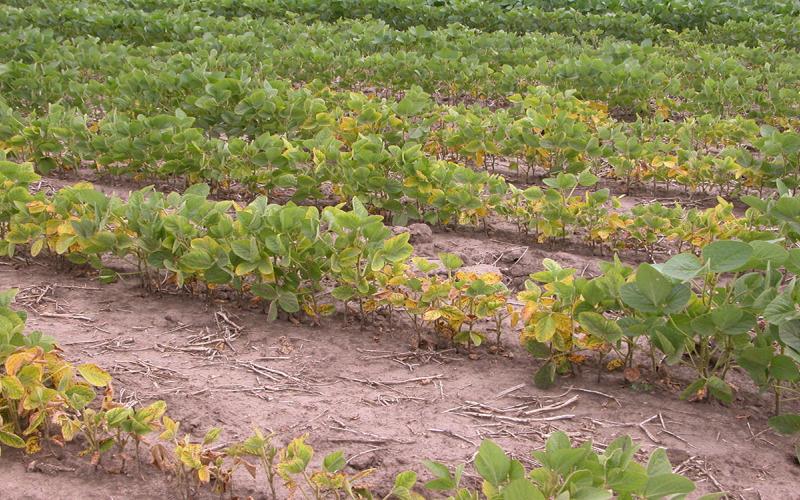
Know Soybean Cyst Nematode, Numbers Matter!
Have you noticed parts of your soybean field turning yellow earlier than expected? Are some of the plants stunted or showcasing a roller coaster appearance? Soybean cyst nematode may be to blame.

Brain Health: The Impact of Chronic Stress
Stress affects everyone. Stress is your body’s response to a real or perceived harmful situation.
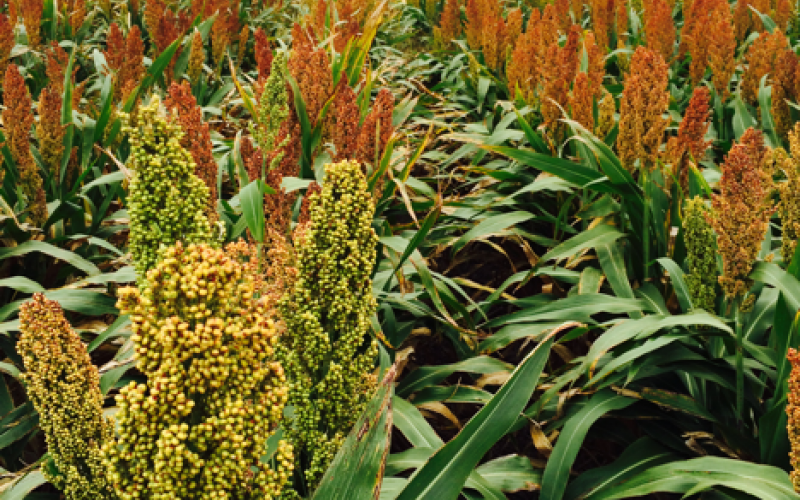
Determining Sorghum Seeding Rate
Seeding rate can have significant impacts on sorghum yields.
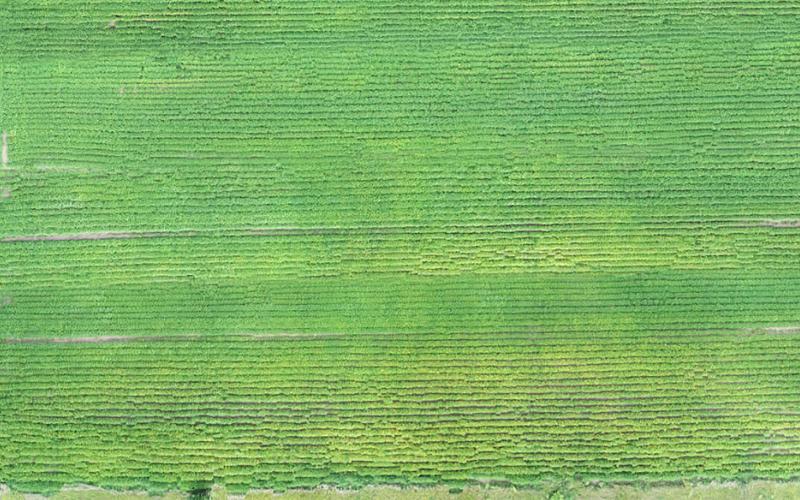
Early Yellowing in a Soybean Field May Indicate Presence of the Soybean Cyst Nematode
Some portions of soybean fields may show clusters of plants yellowing while the rest of the field is still green. One of the factors that could lead to soybean plants showing early yellowing in clusters is soybean cyst nematode (SCN).

Financial Ratios and Trend Analysis
Financial Ratios and Trend Analysis is designed to formulate financial ratios and data, utilizing information provided by the producer.
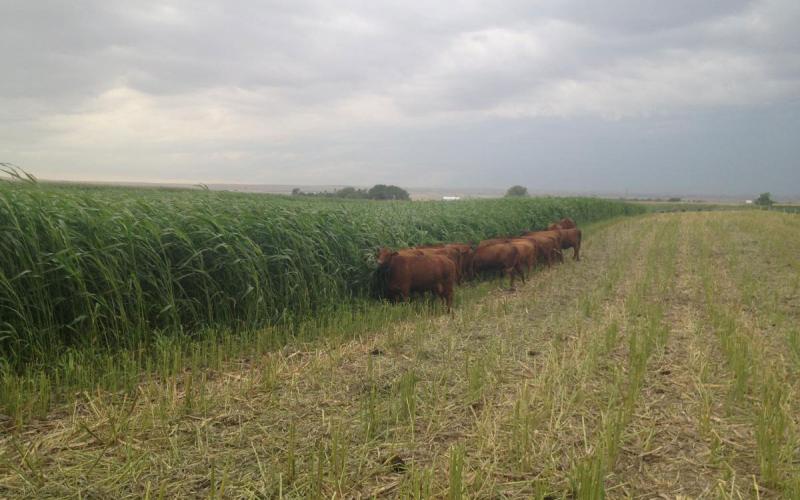
Prussic Acid Poisoning
As the first frost date approaches, producers often have concerns about the risk of prussic acid poisoning in livestock. Certain forage plants, especially sorghums and related species are associated with an increased risk of death loss because of prussic acid poisoning.
![A herd of cattle gather around a stock pond on a vast, lush grassland. Courtesy: USDA [CC BY 2.0]](/sites/default/files/styles/teaser_800x500/public/2019-05/W-00231-00-cattle-grazing-grassland-pasture-range.jpg?h=8f818b46&itok=6GS1_Ww0)
The Environmental Disease Called Pinkeye
Plentiful moisture during the grazing season might contribute to what could be called a “bad year” for a certain cattle disease: pinkeye.
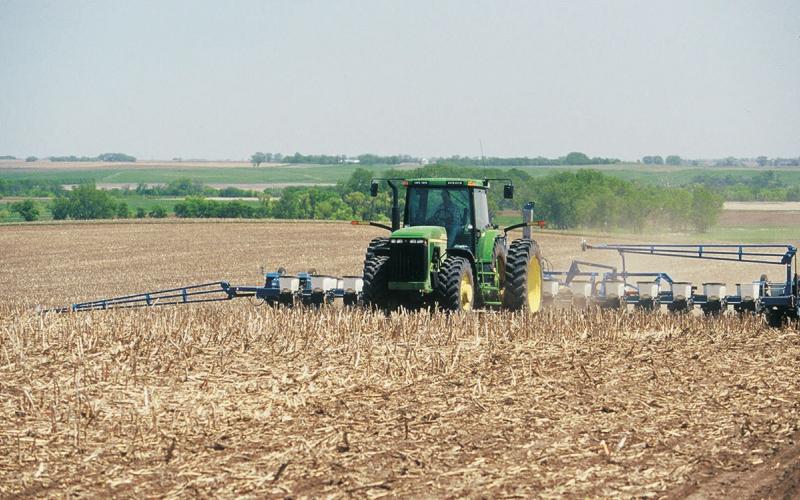
Conservation Practices Increasing in South Dakota
The recently released Agricultural Census data of 2022 shows that the share of cropland acres under conservation practices has continued to increase in South Dakota.