Search
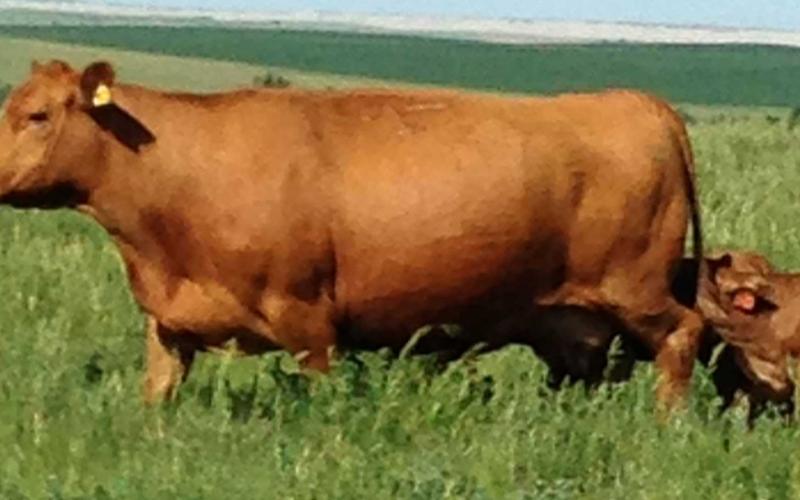
Alternative Calving Considerations
Structuring a calving program that best suites farm and ranch operations can be challenging. Of primary concern are: weather, labor, market timing, and animal health considerations, with weather possibly being the most volatile factor, as it ranges from challenging to catastrophic in some years.
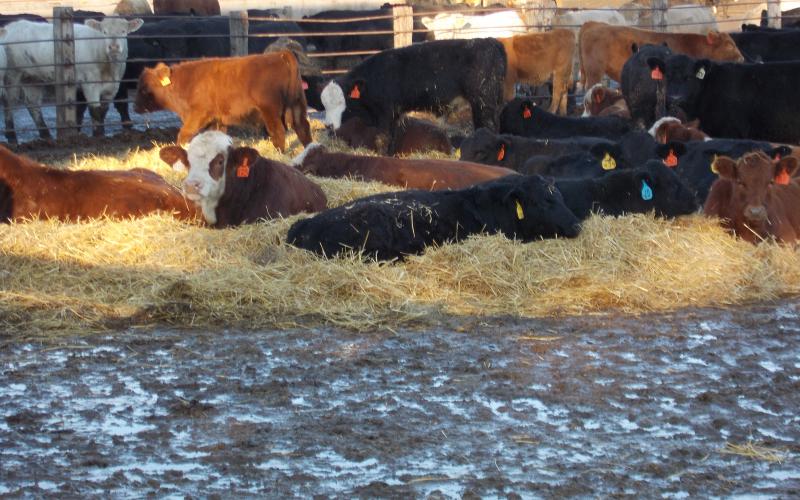
Cattle Bedding and Food Safety
When most people think of farm animals, a picture of Old MacDonald’s Farm likely comes to mind with fluffy, bright yellow piles of straw in and around a barn. Cattlemen may look at bedding as just another chore along with feeding, watering, and doing health checks that promotes the well-being of the animals to grow and produce high quality food.
Five Tips to Keeping Livestock Vaccines Viable on Farm
September 09, 2021
Whether the producer/veterinarian team chooses an inactivated or modified-live virus vaccination program, Daly says it’s important that the vaccines don’t go past their prime.
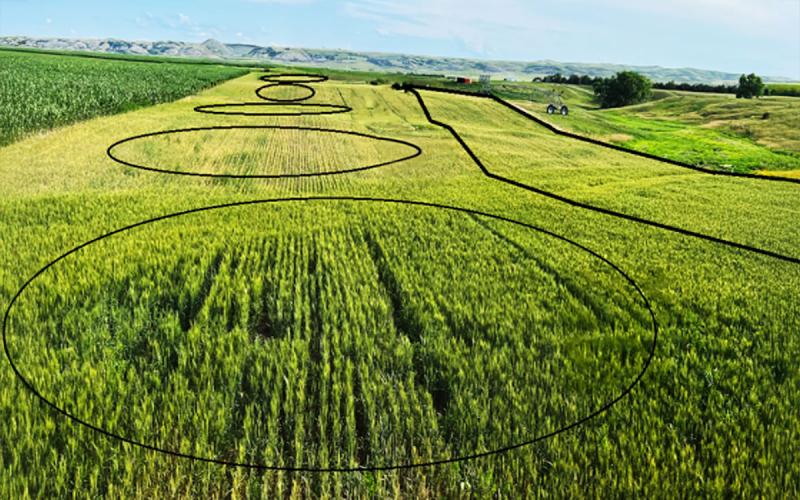
Variations in a Field and Variable Rate Technology Adoption
Field variations, including soil properties, nutrient content, and moisture levels, can significantly impact crop yield and farm profits. By understanding the specific needs of different areas, farmers can apply fertilizers, seeds, and other inputs more effectively.
35 years of the SDSU Extension Farm Real Estate Market Survey
January 09, 2026
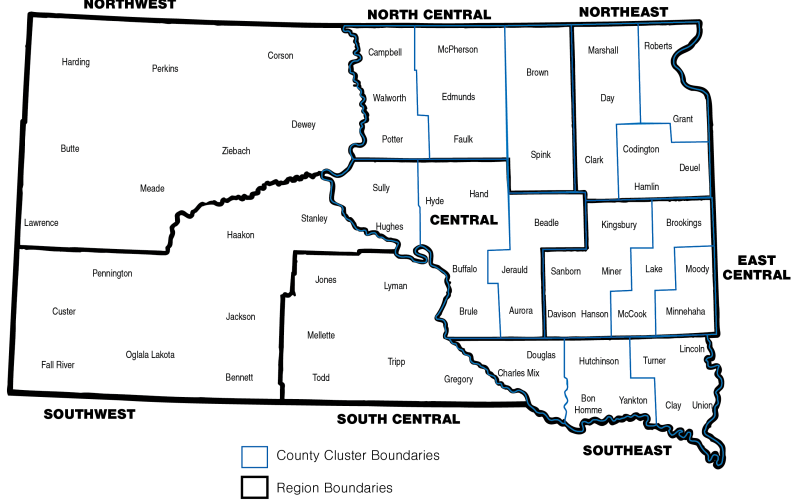
When Larry Janssen learned that one of his most frequently used land sales databases was no longer available, the South Dakota State University Professor Emeritus of Economics and his colleague, Burton Pflueger, former SDSU Extension economist, launched their own survey in 1991.
Prescribed fire schools for SD landowners scheduled for March, April
March 24, 2025
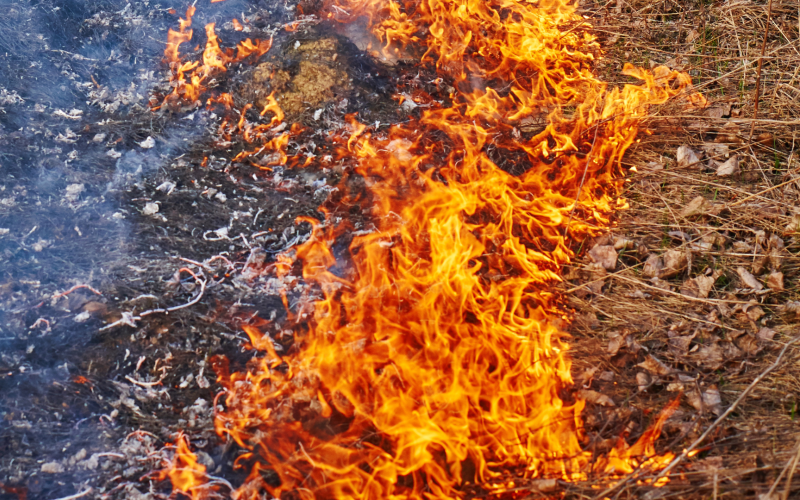
South Dakota State University Extension is partnering with the South Dakota Grassland Coalition, Natural Resources Conservation Service, The Nature Conservancy, Audubon Great Plains and landowner-led fire cooperatives to host a series of fire training workshops this spring.
Using Annual Cover Crops and Forages in Lieu of Row Crops
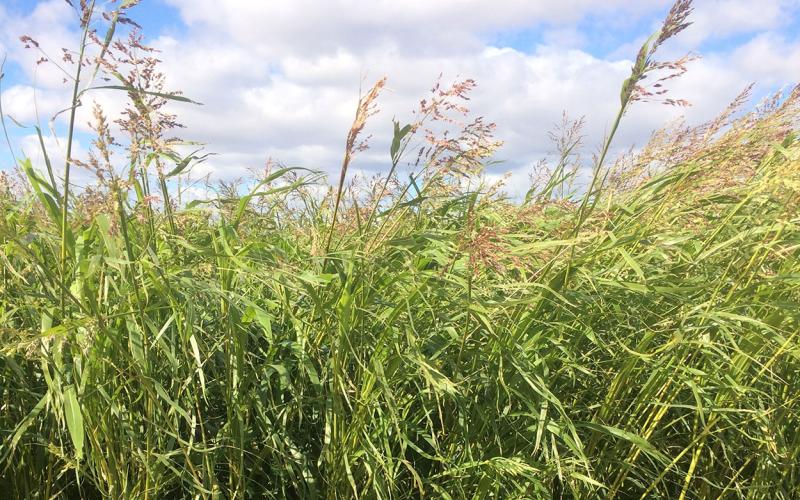
Although there are many factors to take into consideration, annual forages and cover crops can be an excellent tool to mitigate challenging planting seasons.
4-H Safety Project
The Safety 4-H project area is designed for youth to gain the knowledge and skills to prevent injuries and accidents and how to get assistance when they occur. Become familiar with areas including but not limited to farm and rural safety, fire safety, injury and illness prevention, kitchen safety, internet and technology use, and environmental safety.
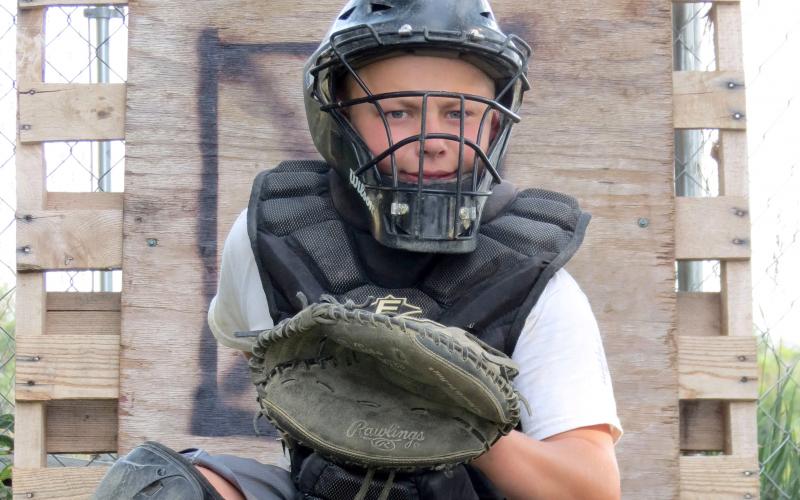
4-H Fitness & Sports Project
Do you love playing sports, being in shape, or preventing athletic injuries? Youth involved in the fitness and sports project will have the ability to share their passions for favorite activities and educating people about fitness tips and safety.
![A green tractor planting seeds in a no-till field. Courtesy: United Soybean Board [CC BY 2.0] via Flickr](/sites/default/files/styles/teaser_800x500/public/2019-10/W-00433-00-no-till-planting-soybeans-field.jpg?h=b2774bcf&itok=4KjGmXKP)
Farm Practices That Improve Soil Health: Crop Rotations and No-Till
Implementing crop rotations and no-till practices are common suggestions to reduce erosion, control pests, and improve yields. These practices can also improve soil health through an increase in soil carbon levels.