Search
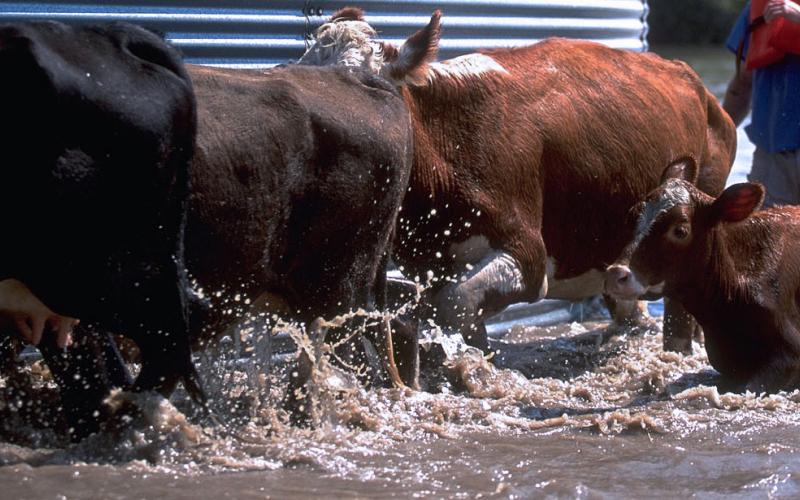
Managing Cow/Calf Pairs With Excess Spring Moisture
Flooding, blizzard conditions and excess snow can wreak havoc on livestock producers. While there is little one can do to stop the melting snow and rising waters, we can try to manage around the water by preparing alternative livestock and feeding areas.

Earl Dailey Memorial Endowment Grants
View the criteria and applications for the Earl Dailey Memorial Endowment Professional Improvement Grant and Project Grant.
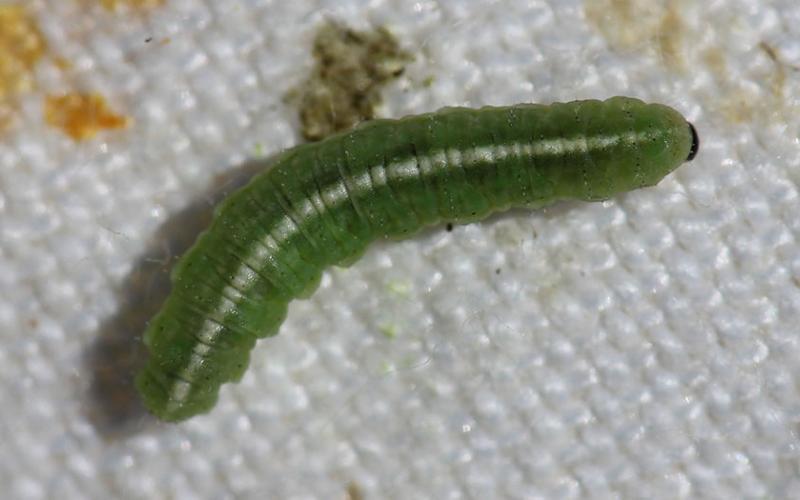
Alfalfa Weevil Activity Prediction Update: May 5, 2022
One of the insects we monitor for using degree day accumulation is the alfalfa weevil. With warmer temperatures in the upcoming forecast, the need to scout for alfalfa weevil activity will increase.
Alfalfa Weevil Activity Prediction Update: May 18, 2022
At this point in the season, all alfalfa fields should be scouted weekly to ensure that large populations of alfalfa weevils do not cause excessive defoliation.
Ash Tree Issues
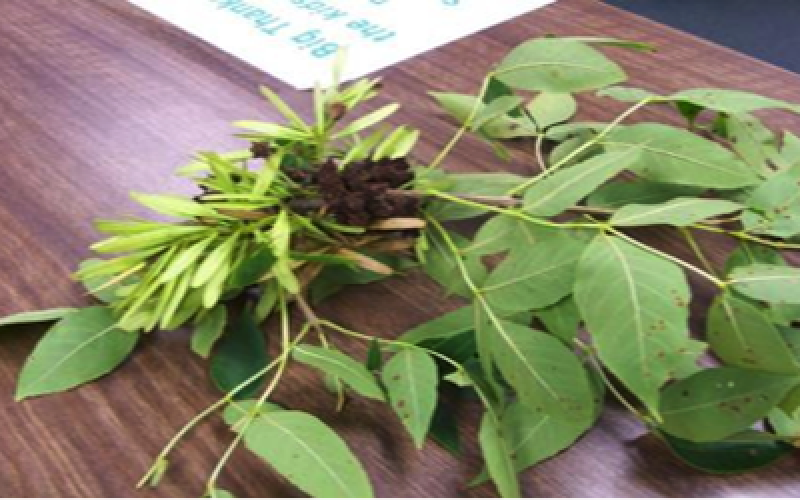
Ash flower galls are appearing on the twigs of ash throughout the state. The brown to black “balls” hang in clusters beneath the branch shoots. The galls are due to the feeding activity of the ash flower gall mite (Eriophyes fraxiniflora) and this mite only feeds on the male flowers of ash.
Fusarium Root and Crown Rot Developing in Corn
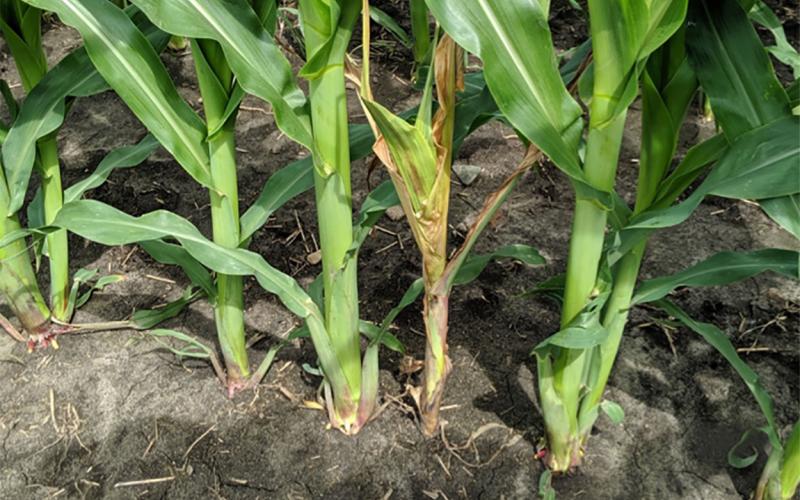
A few corn fields scouted in Brookings County were found with Fusarium root rot at low levels. Infected plants were wilting and upon splitting of the lower nodes revealed brown discoloration of the pith. Root and crown rots developing in corn after the seedling stage are usually caused by Fusarium spp. and can be enhanced by injury to the roots or crown, mainly by insect feeding.
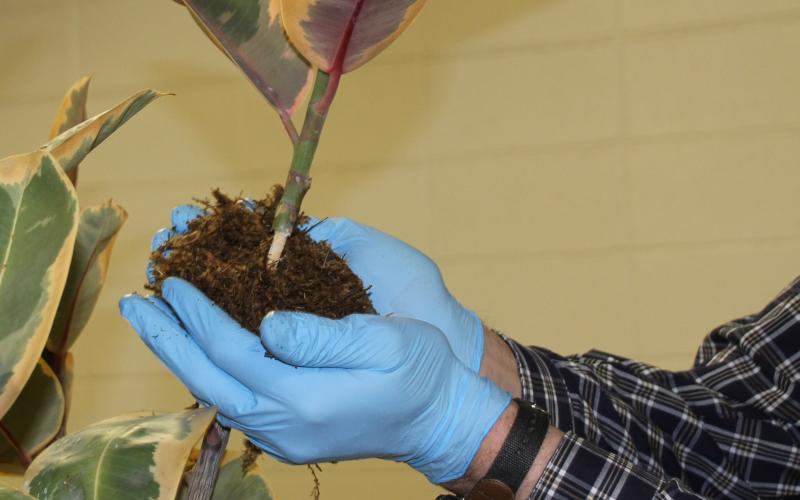
Air Layering a Plant That Has Gotten Too Tall
I have been in lots of public places and in some homes, too, where I have seen plants that have just gotten too big for their location. In fact, the large building that I used to work in often ended up as a sanctuary or in some cases dumping ground for those plants that just got too big or too tall. Some of those plants are still in that large space but a few were moved on to the compost pile too because they had pest or disease problems on top of being too big.
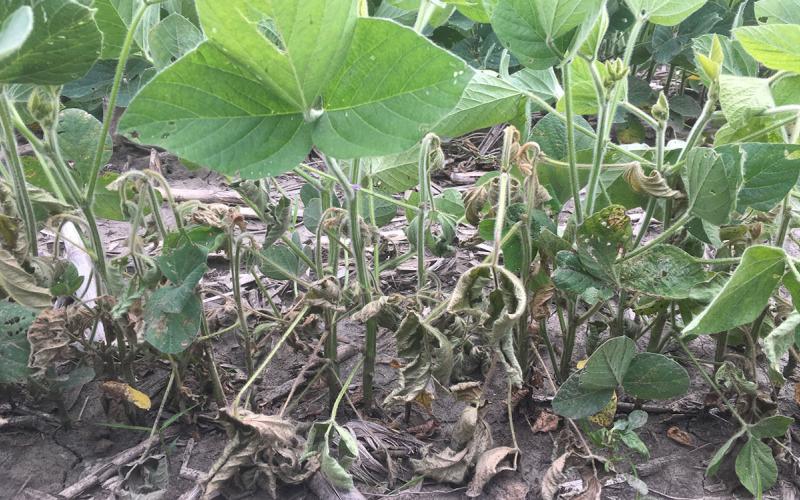
Soybean Gall Midge Larvae in South Dakota Soybean
Soybean gall midge larvae were observed in South Dakota soybean this week. Although insecticide applications haven’t been very effective at this stage, it is still important to scout fields and determine the location and extent of soybean gall midge infestations.
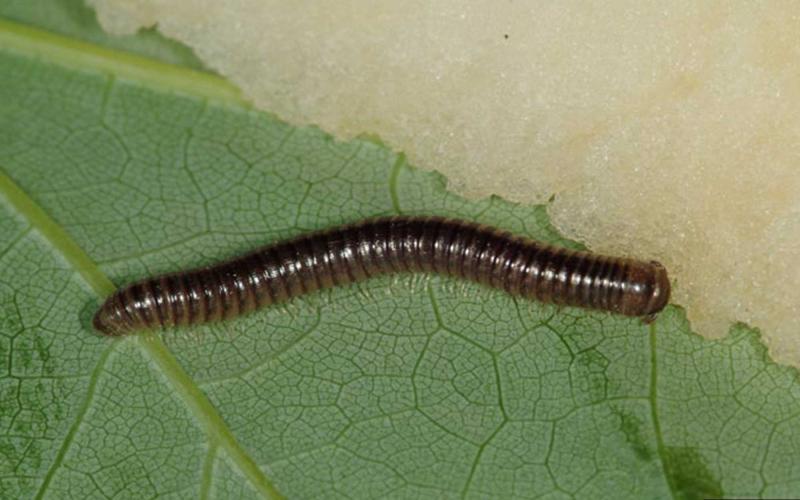
Millipedes May Be Responsible for Reduced Soybean Stands in 2020
When we think of millipedes, it is usually as a nuisance pest indoors. However, there have been reports in South Dakota and neighboring states of millipedes being more than just a nuisance in 2020.
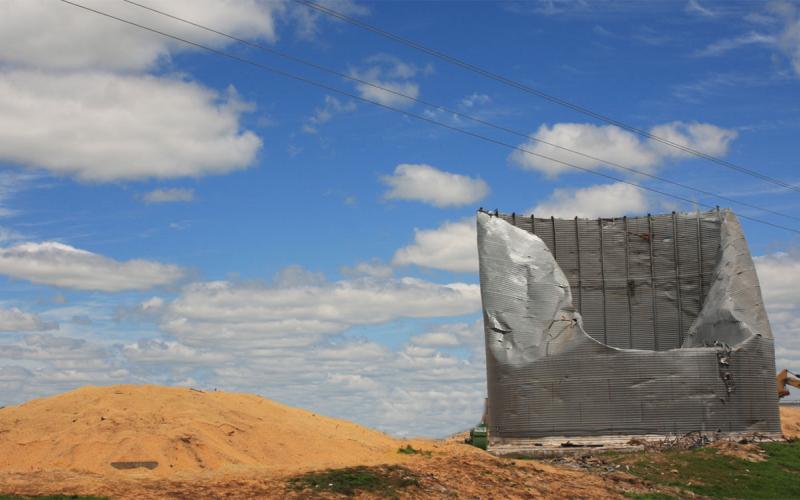
Salvaging Feed Grain From Damaged Storage Structures
The windstorm that hit South Dakota on May 12, 2022 left an extensive damage in its wake, including damage to grain bin structures. Taking prompt action can help minimize value loss in stored grain.