Search

Indian Corn & Popcorn
Beautifully hued ears of dried ornamental corn appear this time of year in autumn decorations. In South Dakota, each fall the Corn Palace at Mitchell sports fresh murals from the naturally colored corn.
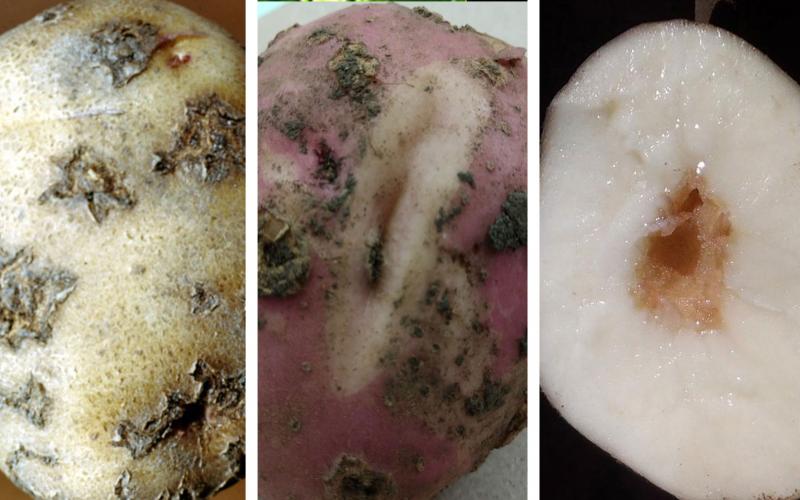
What’s Wrong With My Potato?
We are accustomed to perfect-looking potatoes from the grocery store, but sometimes our homegrown tubers don’t meet that same standard. Following are a couple of common problems home gardeners may contend with.

Public Health Resources in South Dakota
Public health services provide a framework to protect and promote the health of all people in all communities. Learn about some of the many public health resources and programs that the state of South Dakota offers to residents.
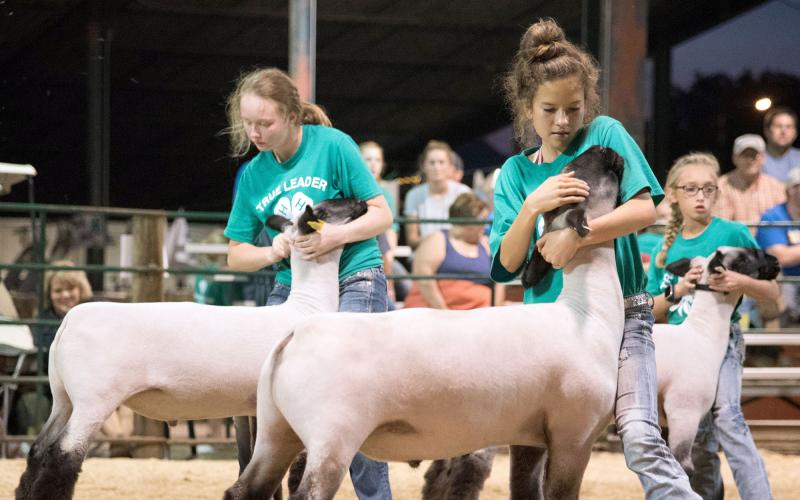
4-H Sheep & Wool Project
Do you love sheep? Well, the 4-H Sheep Animal project area might be the perfect fit for you! 4-H members can learn the aspects of caring for sheep, such as management, production, marketing, showing, and evaluation.
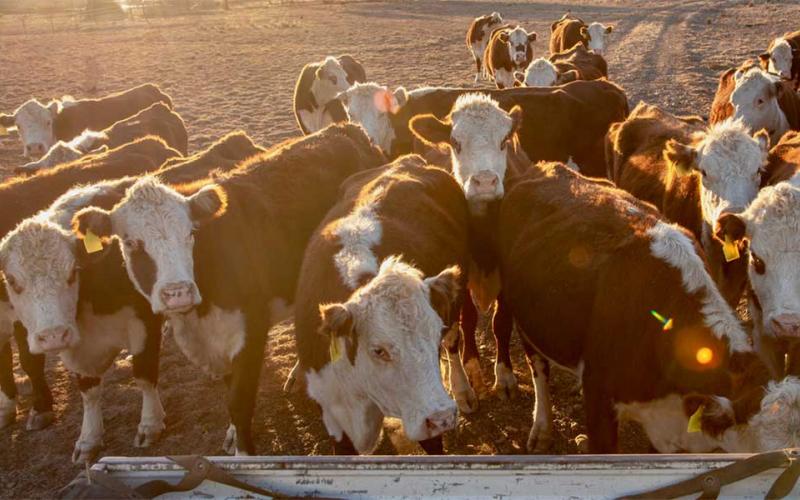
Protein Nutrition and Replacement Heifer Development
With summer coming to an end and weaning for this year’s calves right around the corner, it is not premature for producers to start thinking about next year’s replacement heifers that will be needed to replace any culled or open cows.
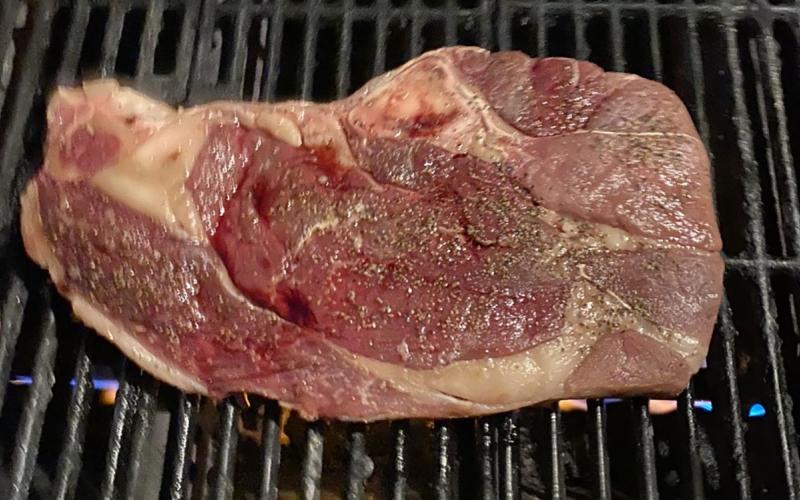
Picking the Perfect Steak
As grilling season is getting into full swing, many grillers are in search of the perfect steak. Whether you prefer flavor, tenderness or marbling, learn some expert tips to select a steak that's right for you!

Funding Community Projects: Keeping Healthcare in Your Community
Faulkton’s hospital was getting old. Something had to be done or it would be lost.
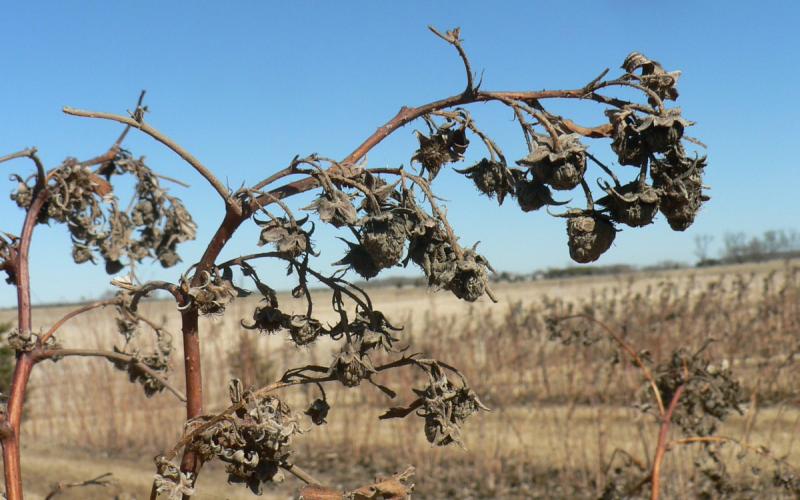
Pruning Red Raspberries
Red raspberries can produce a quart of fruit or more per linear row, but high yield fruit production requires annual pruning.
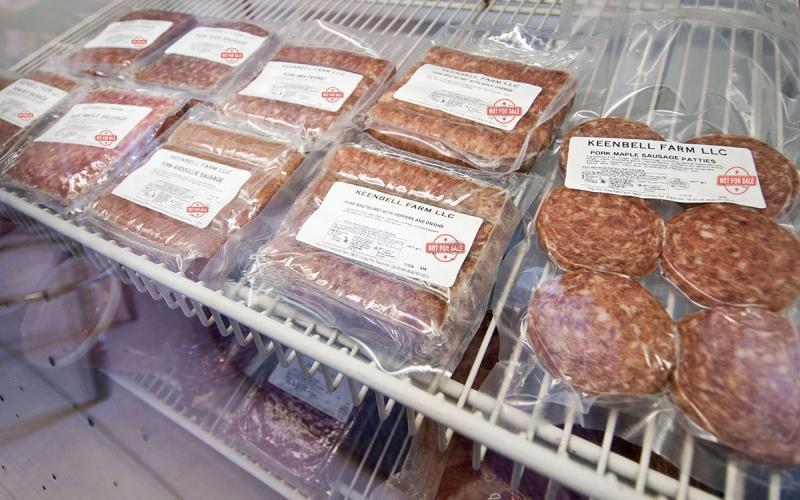
Meat (Not) For Sale
Before buying meat from local livestock producers, take the time to understand the rules and regulations of local meat processing.
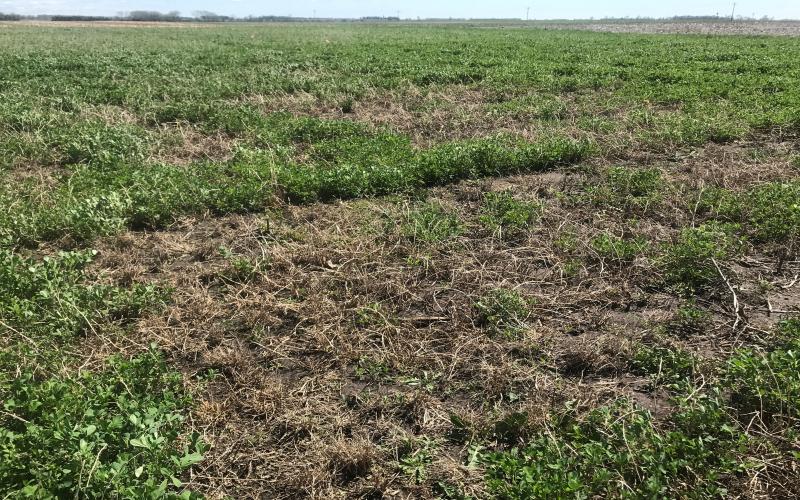
Dealing With Alfalfa Winter Kill
Winter kill and general stand loss of alfalfa has specifically been of concern in many parts of South Dakota the last two years. Most observed alfalfa winter kill is due to low, wet or flooded areas where plants were suffocated and died over the winter.