Search
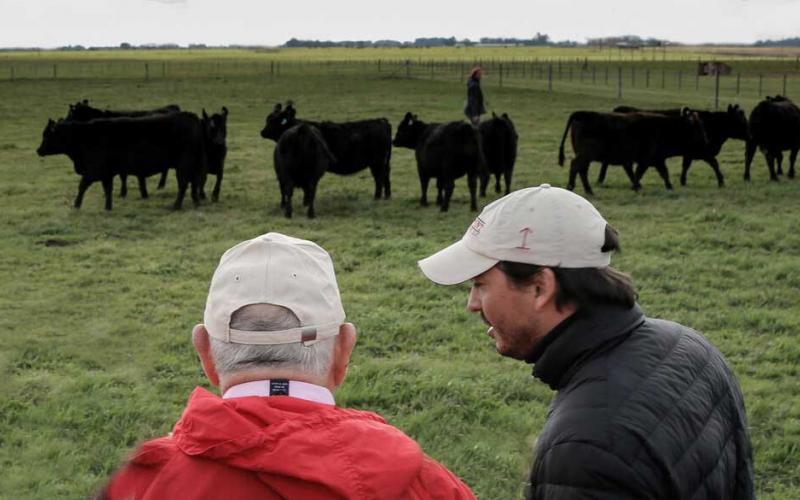
Johne’s Disease Testing in Beef Herds: Testing Plans and Responses
While still somewhat imperfect, testing herd animals for Johne’s Disease is an appropriate tool for producers and their veterinarians to begin to get a handle on the level of infection and to implement sound strategies for limiting the disease’s effects.
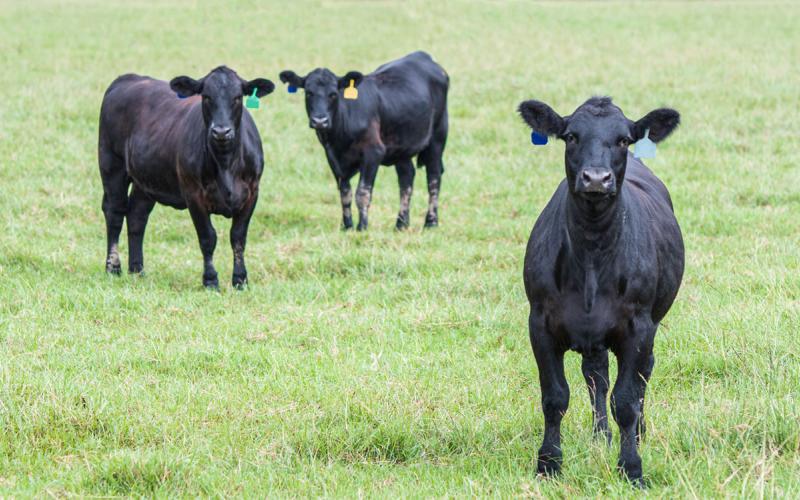
Value of Pregnancy Detection of Yearling Heifers
One of the most-important traits in the beef herd is reproduction. Any female that ends up open at the end of the year is costing the operation additional money. Strategic management decisions should be made within the reproductive herd to help maximize revenue.
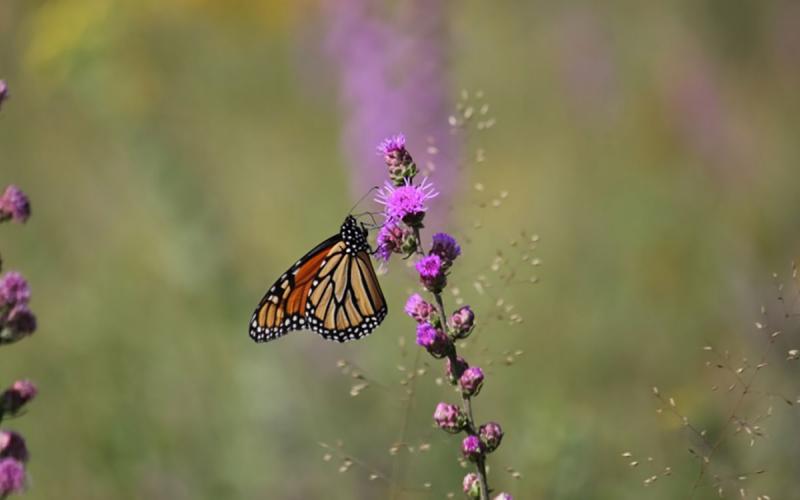
Understanding the Critical Role of Broadleaf Pollinator Plants in Pastures
Understanding the economic role of pollinators is the first step towards understanding their value to grassland and crop systems.
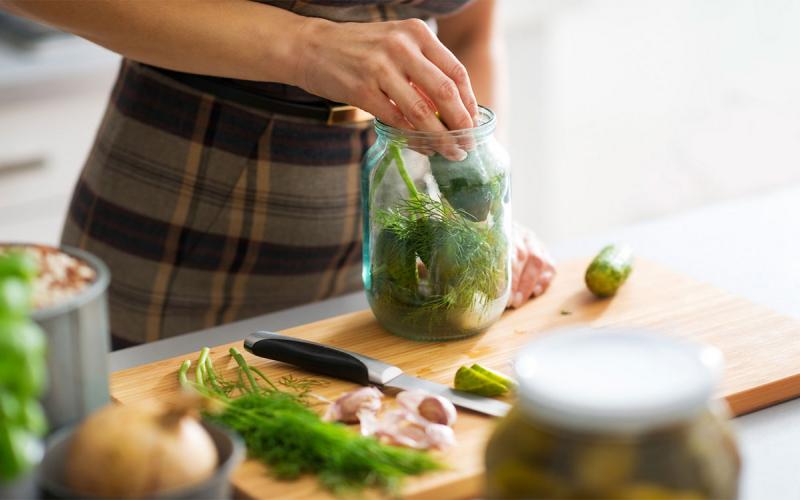
Modifying Canning Recipes
Understanding how swapping ingredients, adding ingredients, increasing or decreasing ingredients and making changes to processing plays a vital role in ensuring that home-canned products are safe.
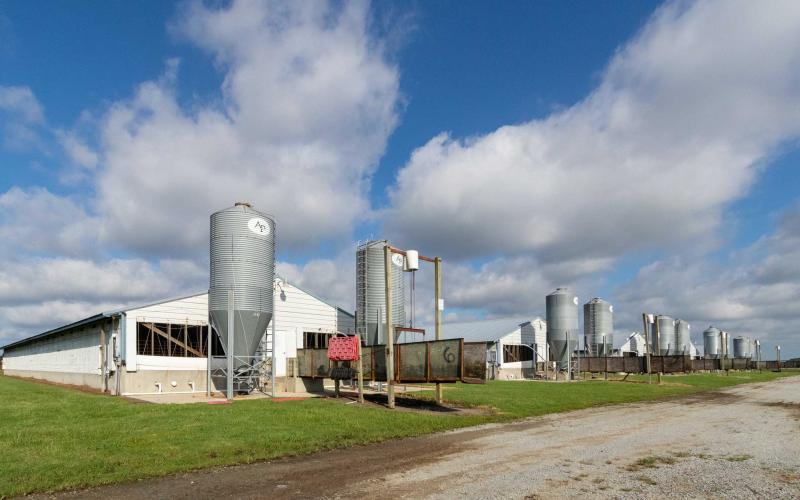
Preparing for a PQA Plus Site Assessment
The PQA Plus site assessment is an on-farm evaluation of a production site by a qualified PQA Plus Advisor. A review of standard operating procedures and office records, including caretaker training, animal observations, and the facilities will occur during the site assessment.

Career Exploration
SDSU Extension 4-H has created the Career Conversations: Exploring My Future in the 605 and Operation Occupation: Unlock Your Potential, which are virtual career exploration courses that are self-guided and free of charge for teachers and youth.
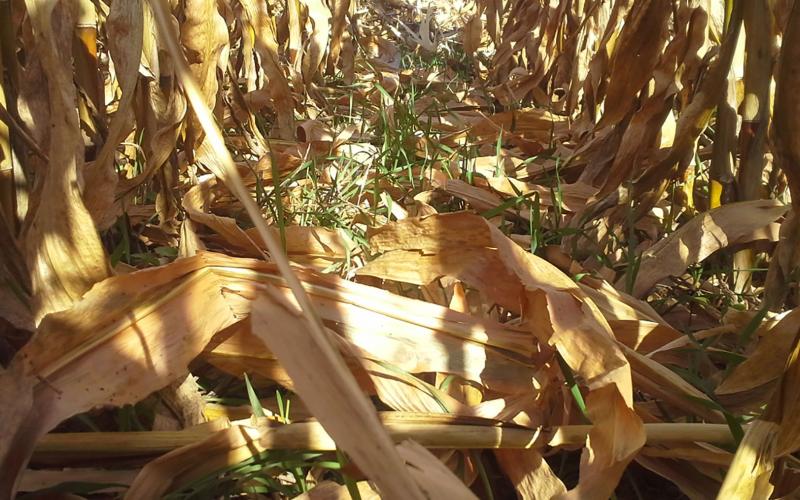
Cereal Rye Cover Crop Between Corn and Soybean
Interest in cover crops has increased in recent times. Cereal rye has been a cover crop of choice among corn and soybean growers in South Dakota due to its superior tolerance to cold temperatures and ability to overwinter in a Northern climate.

Wet Corn: Storage and Late Harvest Options
With a very challenging harvest in many parts of south and southeastern South Dakota this year, farmers were faced with difficult decisions. Wet, unfrozen ground in many areas and high grain moisture forced many farmers had to make a decision: harvest the wet grain, or let it stand in the field.
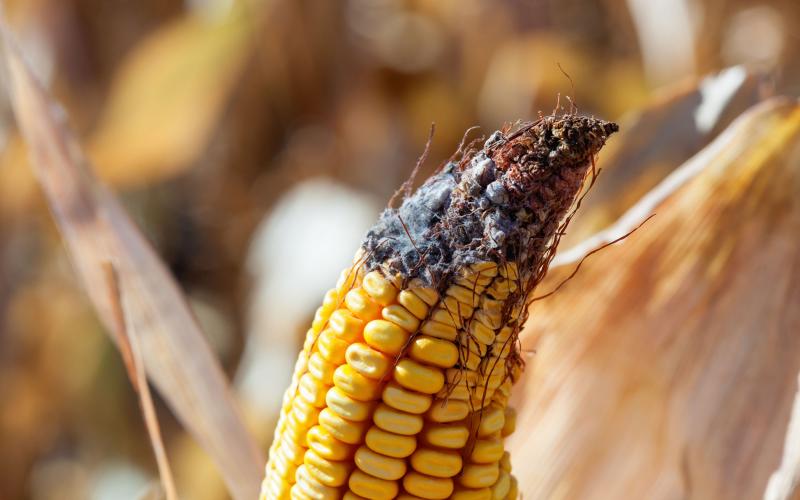
Can Livestock Utilize Moldy Grain?
While livestock producers know that moldy grain and forage are not ideal feedstuffs, they also know that stored feed occasionally contains a small amount of visible mold, and that their animals consume it with no obvious adverse effects. The question arises, how much mold is too much for a feed to be unsuitable for animals?
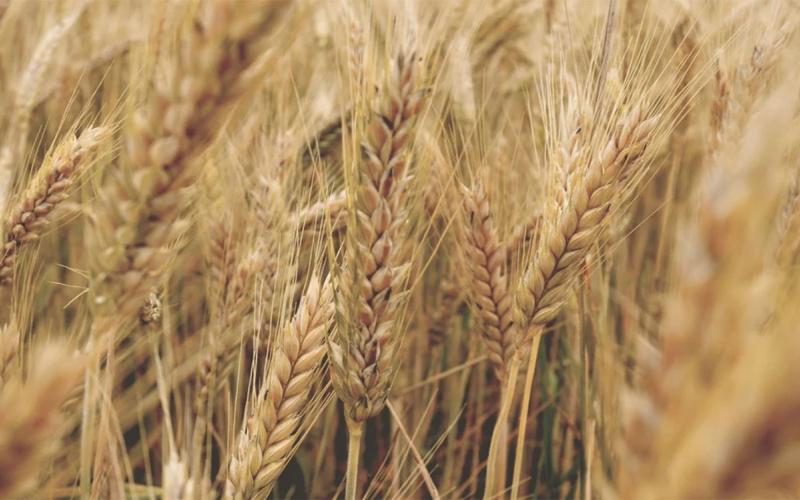
SDSU Extension 33rd Annual Winter Wheat Meeting To Be Held August 24
August 19, 2022
SDSU Extension, in collaboration with the Jones County Crop Improvement Association, will host the 33rd Annual Winter Wheat Meeting in Draper, South Dakota, on August 24 at 6:30 p.m. CDT.