Search
It’s time for Breeding Soundness Exams
In this episode of Cattle HQ, we discuss how to test bulls for fertility with Dr. Russ Daly, SDSU Extension Veterinarian.
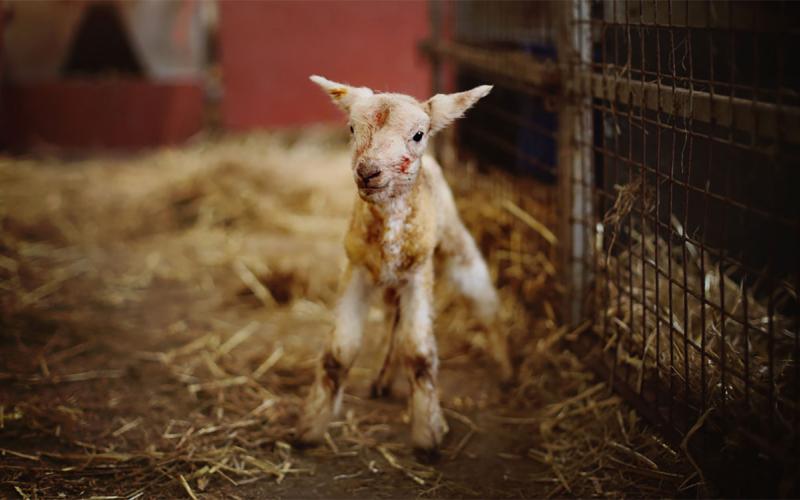
Navel Dips for Lambs and Kids
Treating umbilical cords with a navel dip at birth is recommended to ensure a healthy start for lambs and kids and preventing the occurrence of navel (joint) ill.
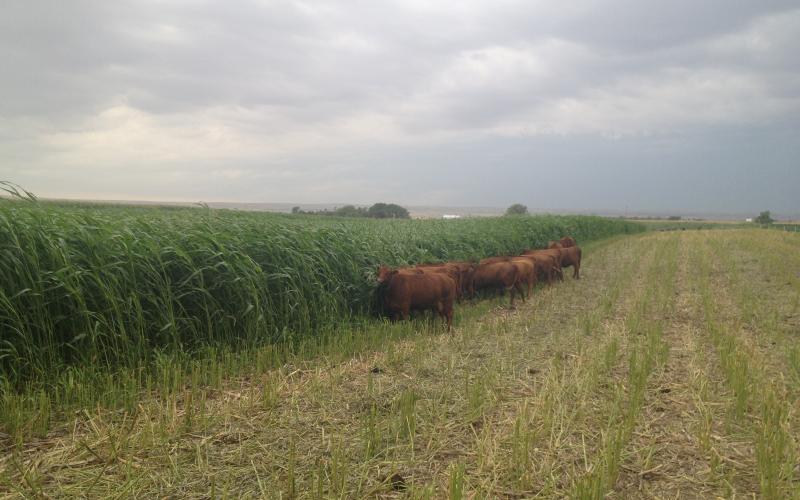
Delayed Planting Challenges: Alternative Forages
With the excessively wet planting conditions much of South Dakota is now experiencing, many producers are looking for “Plan B” to meet forage needs for their livestock, or as a commodity that can be marketed to livestock producers.
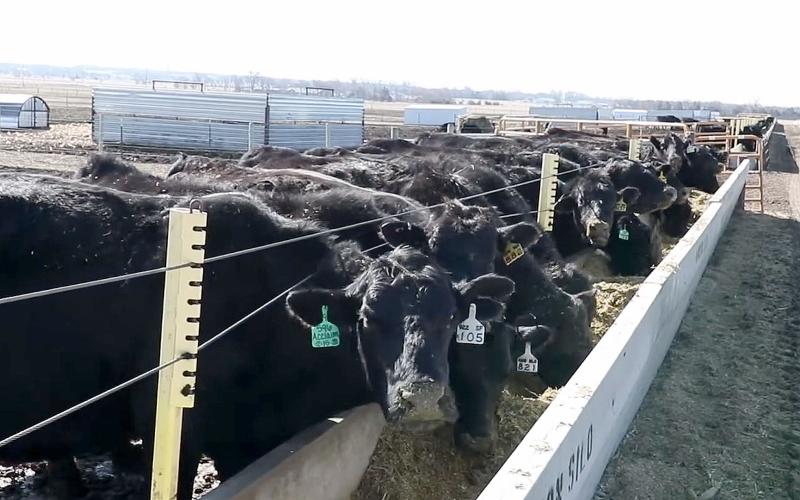
Replacing Distillers Grains with Heat-Treated Soybeans to Increase Finishing Cattle Growth
Heat-treated soybeans offer interesting attributes that could enhance cattle growth. The SDSU Feedlot Research group recently examined how they can fit into modern cattle feeding diets.

Transplant Timing and Protected Cultivation Strategies Enhance Delphinium Cut Flower Production
Delphinium (Delphinium spp.) is a cool-season perennial cut flower that holds strong market potential, but production on small farms for regional markets remains limited by yield and short harvest durations.
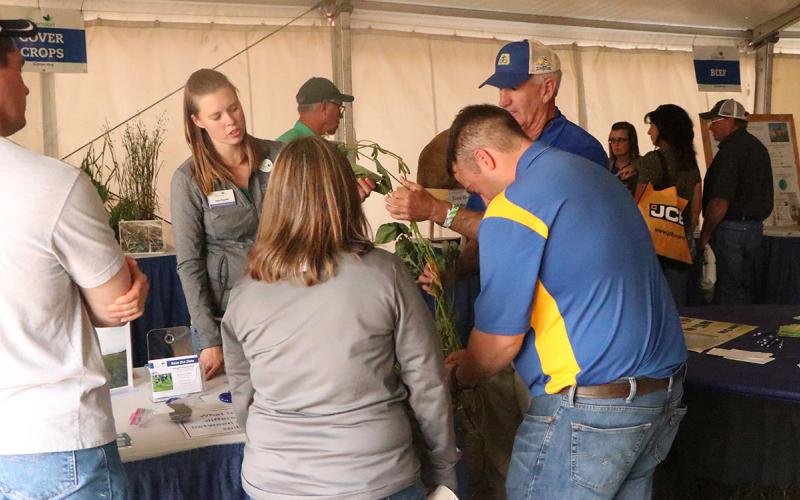
SDSU Extension to Host Informational Sessions at Dakotafest
August 05, 2022
Producers are invited to visit the SDSU Extension booth at Dakotafest August 16-18 in Mitchell, South Dakota.
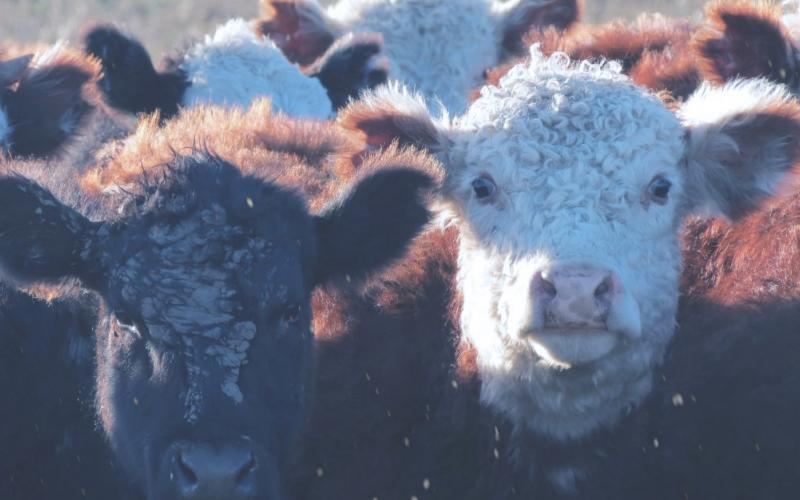
Does Cold Weather Contribute to Pneumonia in Calves?
Prolonged winter cold has some fairly obvious effects on cattle of all ages.
Anthrax: Vaccination Considerations
Anthrax is caused by bacteria, Bacillus anthracis, which has the ability to form very resistant spores in the soil. These spores can remain viable for many years on pasture, and become reactivated when the right environmental conditions exist. Fortunately for cattle producers, losses due to anthrax can be prevented through use of a vaccine that has proven its effectiveness through the years.
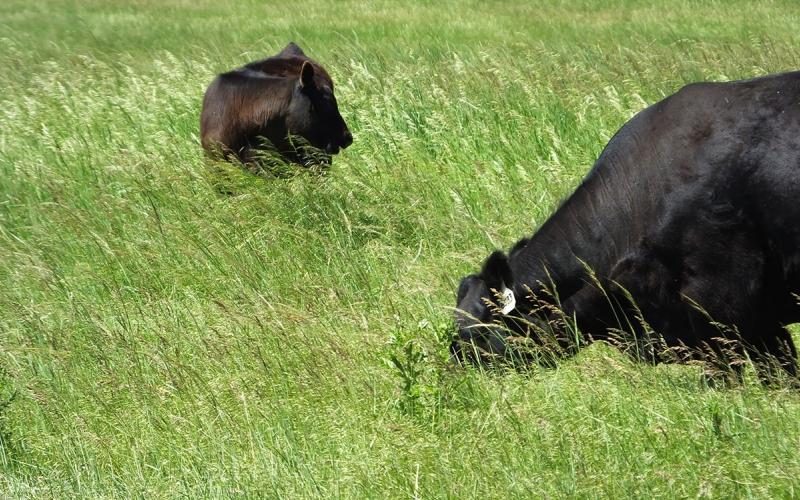
Grass-Fed Beef: Understanding Terminology in Conventionally Raised Beef and Grass-Fed Beef
What makes grass-fed beef different from conventionally raised beef? This is perhaps the most-common and sometimes most-complex question that arises amongst those hoping to understand the similarities and differences between conventional and grass-fed beef.

Considerations of Water for Sustainable Swine Production
The sustainability of water for swine revolves around responsible sourcing of water, efficient distribution, waste management, and continuous improvement in farming practices.