Search

Over-the-Top Dicamba Ruling Explained
On February 6, 2024, the U.S. Environmental Protection Agency was ordered to vacate the registrations for dicamba products registered for over-the-top applications on dicamba-tolerant cotton and soybeans. Learn how the ruling will impact the upcoming growing season and beyond.
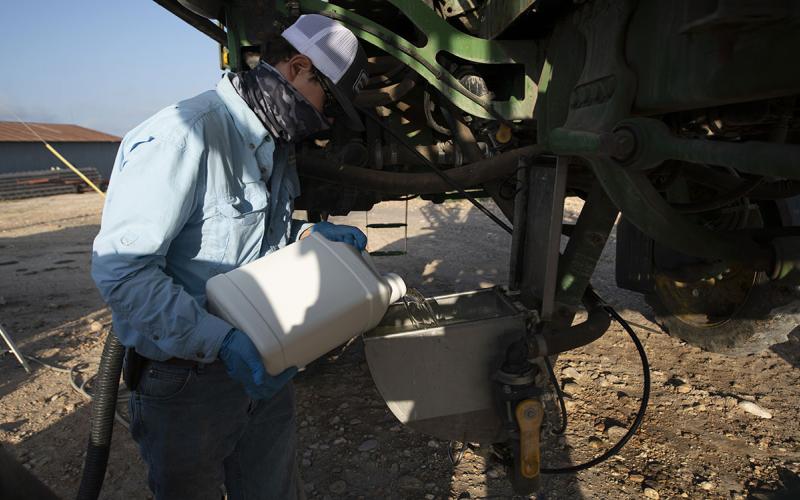
Chlorpyrifos Products Can be Used in 2024 for Insect Pest Management
The U.S. Environmental Protection Agencys recently announced that currently registered insecticide products with the active ingredient chlorpyrifos will be legal to use on labeled crops during the 2024 growing season.
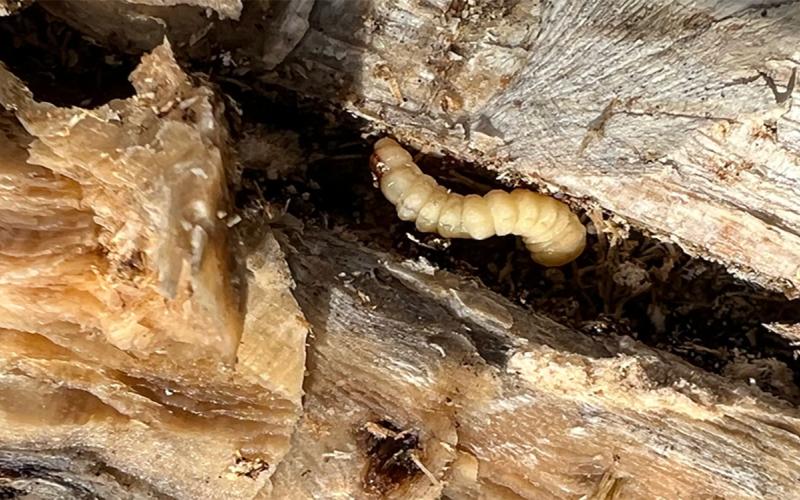
Prompt Harvest Can Reduce Lodging Caused by Dectes Stem Borer in Sunflower
If you notice an increased amount of lodging in your sunflower field, it is recommended to harvest the field as soon as possible to reduce losses from Dectes stem bore infestations.
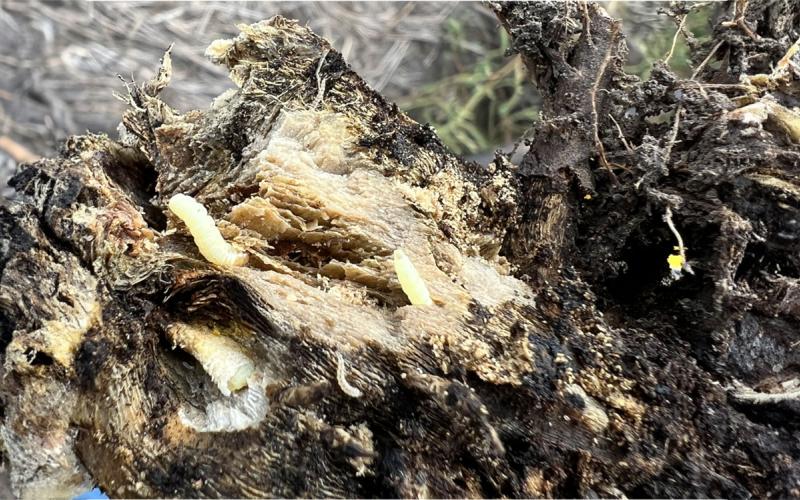
Sunflower Bud Moth Caterpillars Observed at the Base of Sunflower Stalks
When we think of observing sunflower bud moths, it probably isn’t during the fall before harvest. However, there are two generations of sunflower bud moth, and the caterpillars of the later generation move to the base of the plant to overwinter.

Early Season Soil Tarping Impacts on Weed Pressure and Onion Yield
Research report on whether soil tarping can reduce weed pressure in onion yields
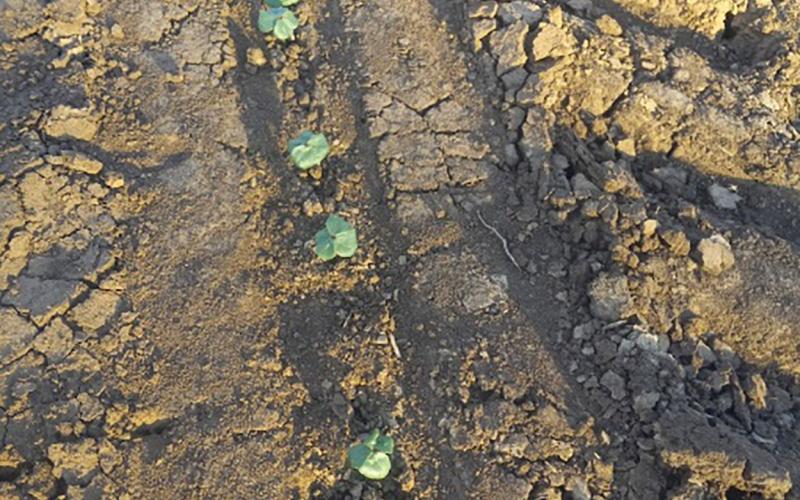
Accounting for Soil Wetness Prior to Conducting Farm Operations to Minimize Compaction
In the spring many agricultural producers are anxious to get into the field and perform tillage, planting, and chemical applications. However, if field operations are done when the soil is too wet, this can lead to soil compaction.
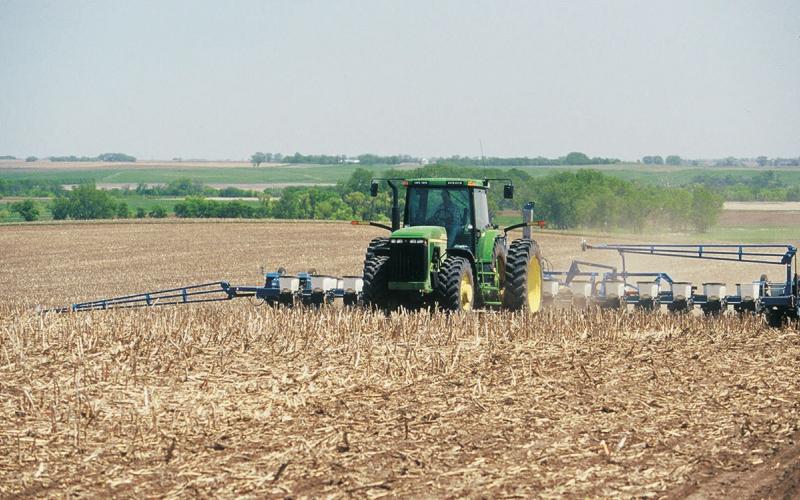
Conservation Practices Increasing in South Dakota
The recently released Agricultural Census data of 2022 shows that the share of cropland acres under conservation practices has continued to increase in South Dakota.

Crop Changes in South Dakota: 2017-2022
According to the recently released 2022 Census of Agriculture, crop variety has slightly increased in South Dakota over the past five years (2017-2022).
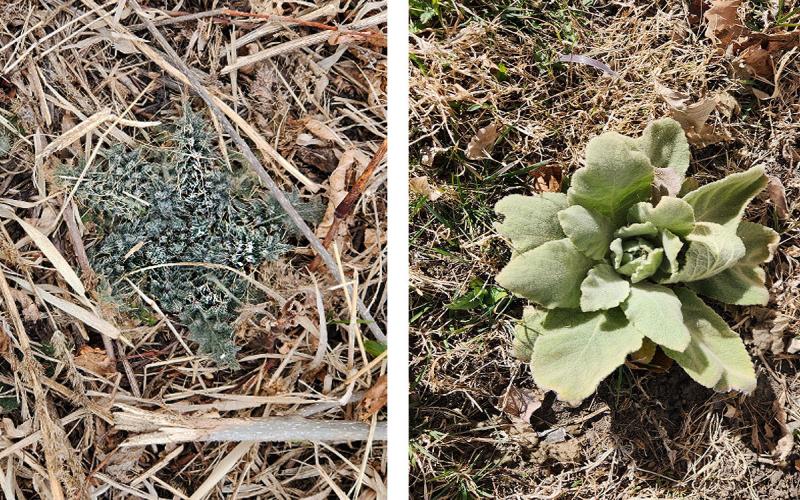
Biennial Weed Species Have Started to Emerge
The warmer weather this year has caused some biennial weed species to emerge earlier than normal. Learn some management considerations for areas that have been historically infested with biennial weeds.
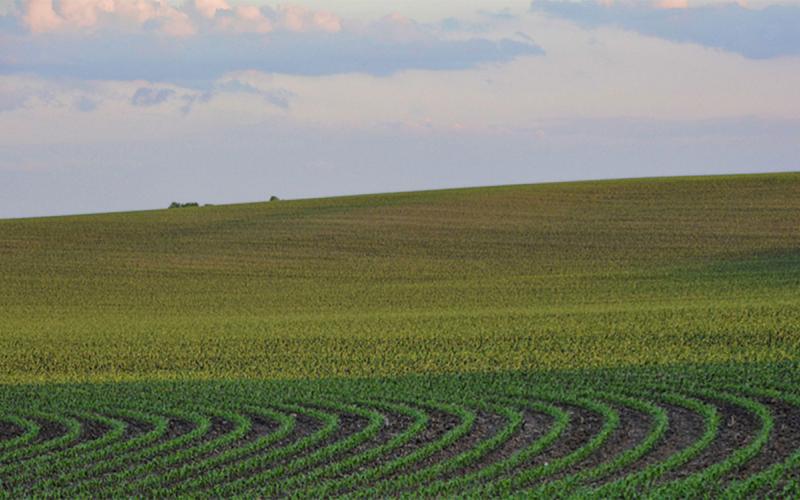
Conventional Soybean Weed Management
Compared to GMO soybean varieties, weed management in conventional soybean is more difficult and requires more planning to be successful. Learn some expert tips for getting conventional soybeans off to a great start.