Search
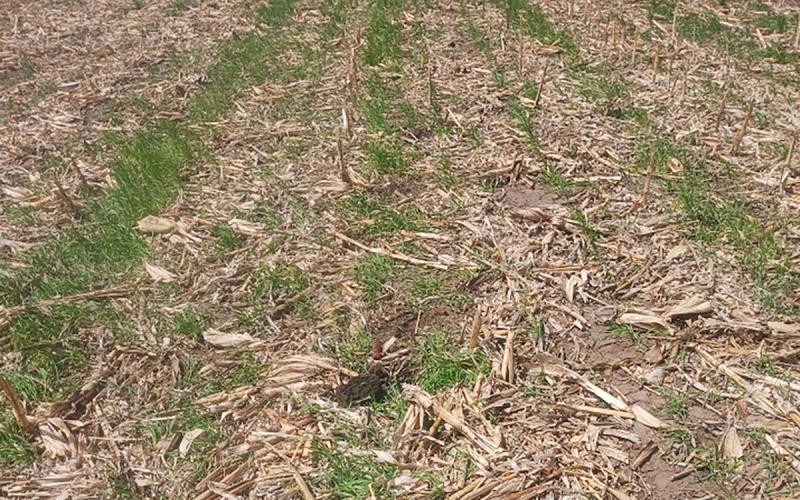
Effects of Different Cereal Rye and Winter Camelina Seeding Rates on Biomass Production and Soil Properties When Broadcast Seeded
Benefits to soil health generally increase as cover crop biomass production increases. Recent research sought to determine how the seeding rate of two cover crop species and mixtures affected biomass production and some soil health indicators.
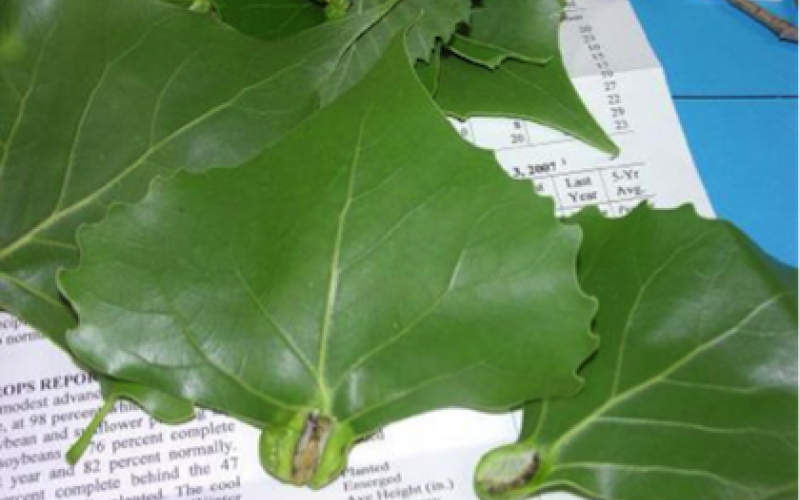
Cottonwood Galls
Just about every year I receive samples of fallen cottonwood leaves with a “bump” at the base and the first one for this year was from Winner. This is the cottonwood petiole gall formed by the feed activity of a very small green aphid.
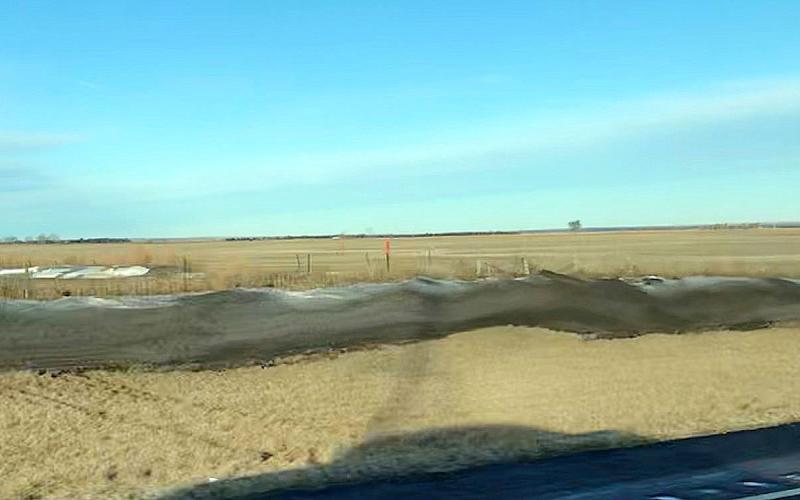
“Snirt” and How To Minimize It
Blowing soils, dust storms and “snirt” (snow with dirt on it) are frequent challenges during dry, windy winters. Learn some soil health principles to limit erosion and minimize snirt on field edges this planting season.
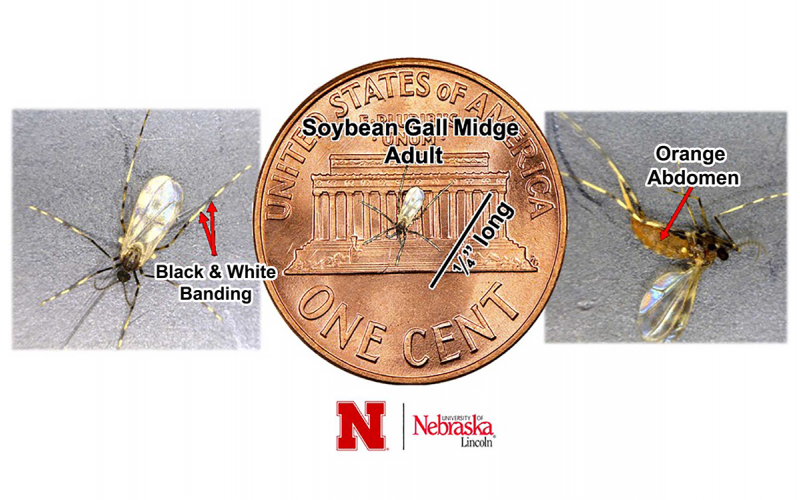
Soybean Gall Midge Adults Captured in South Dakota
Although soybean gall midge adults have been captured earlier this spring in neighboring states, the first adults were captured in South Dakota on June 17. So far, our captures are low with one adult at two locations near Burbank and Meckling.
Swath Grazing
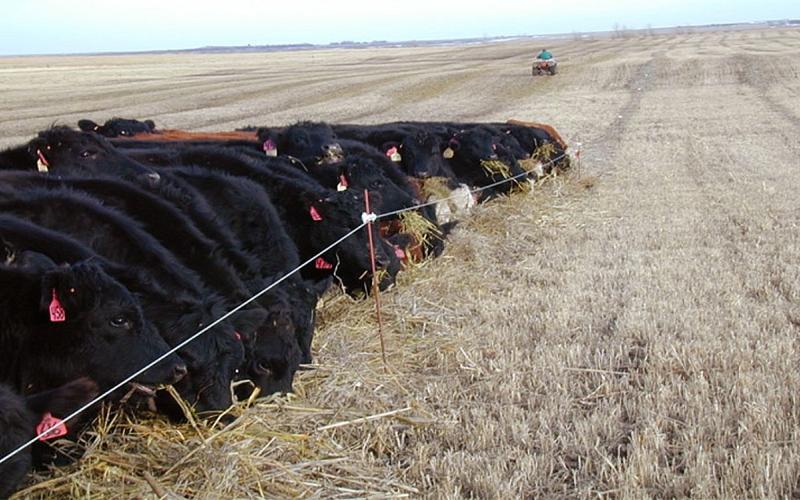
Swath grazing can be utilized with various crops and can improve utilization of the crops for feed, while decreasing fuel, harvest and feeding costs and also improving soil health.
Soybean Gall Midge Adults Emerging in South Dakota
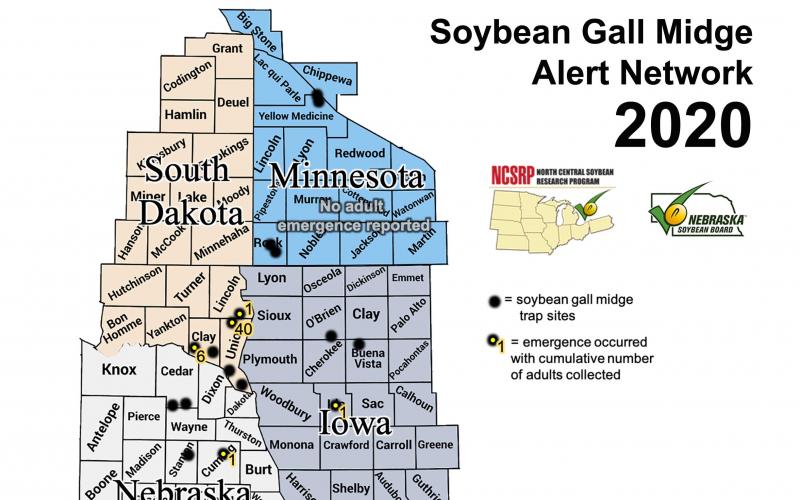
Over the weekend, a SDSU Extension collaborator reported that soybean gall midge adults had been captured in Southeastern South Dakota. These are the first adults that have been observed in South Dakota in 2020.
Soybean Gall Midge Larvae Active in South Dakota
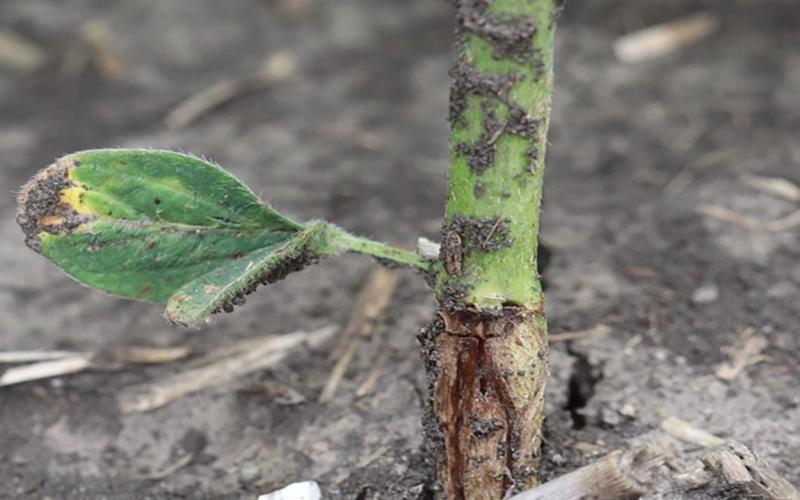
Soybean gall midge larvae are active in soybean in southeastern South Dakota. The first symptoms of an infestation during this part of the season vary based on the size of the population within the plant.
Keep an Eye on Black Grass Bugs This Spring
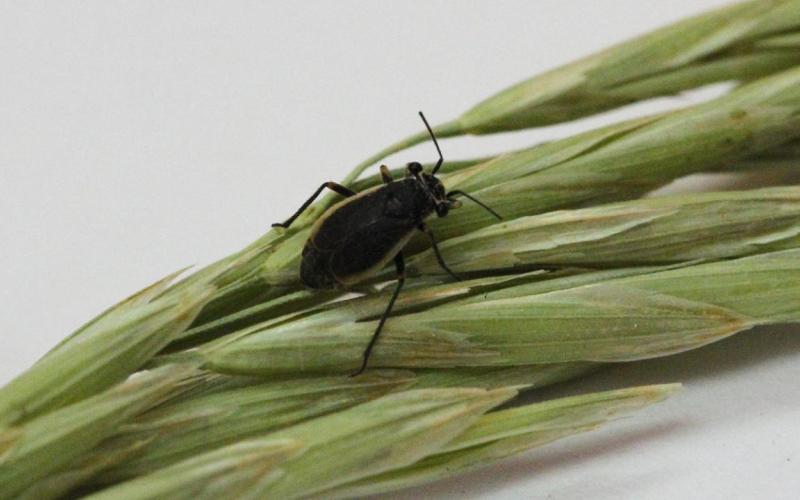
In South Dakota, black grass bugs are a common spring pest of forage grasses. This native insect first appears in late April and May when grasses emerge from dormancy.
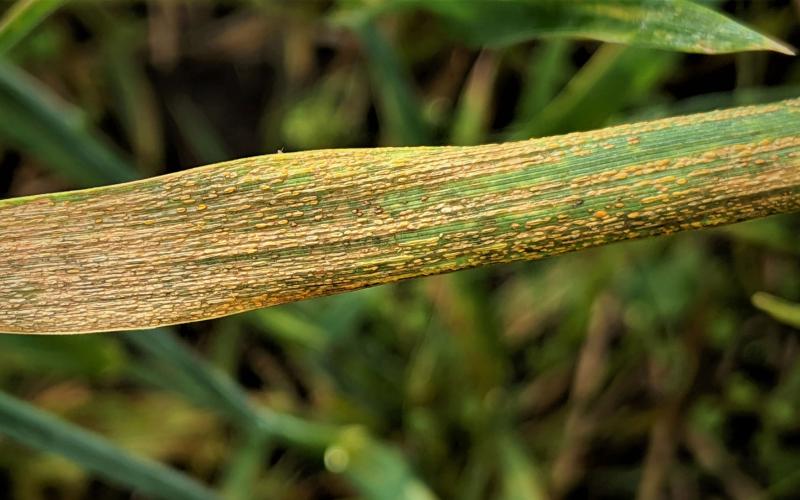
Wheat Diseases Identification Pocket Guide
Accurate plant disease identification is the first step in designing effective and sustainable disease management programs. The purpose of this guide is to provide information on how to recognize wheat diseases and also to provide possible management options.
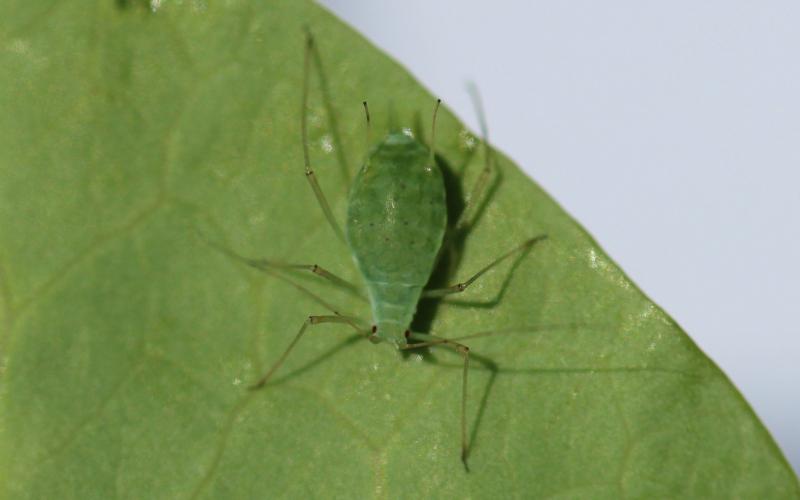
Pea Aphid Populations Increasing in Alfalfa
While scouting alfalfa this week, we noticed pea aphid populations are starting to increase. The forecast is looking favorable for this pest, so it will be important to continue monitoring populations prior to and after the first cutting.