Search
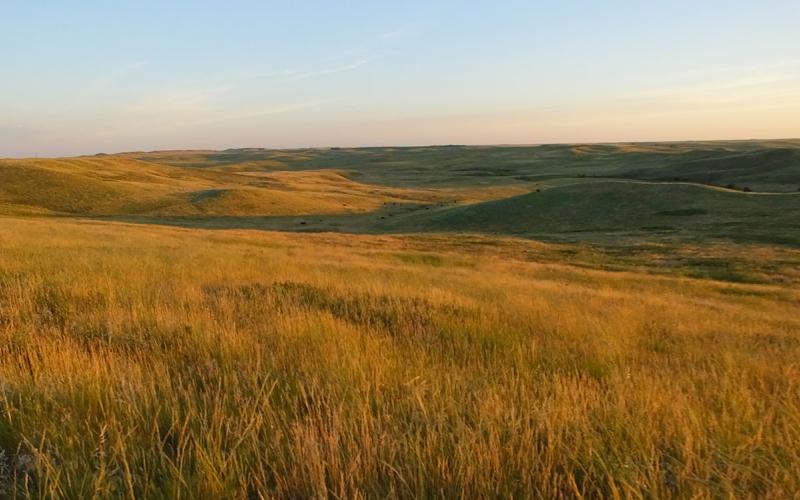
Factors That Influence Plant Development and Growth
Year-to-year variability in climate can result in large swings in annual forage production for livestock producers. Learn some key considerations to observing and mitigating the effects of this variability.
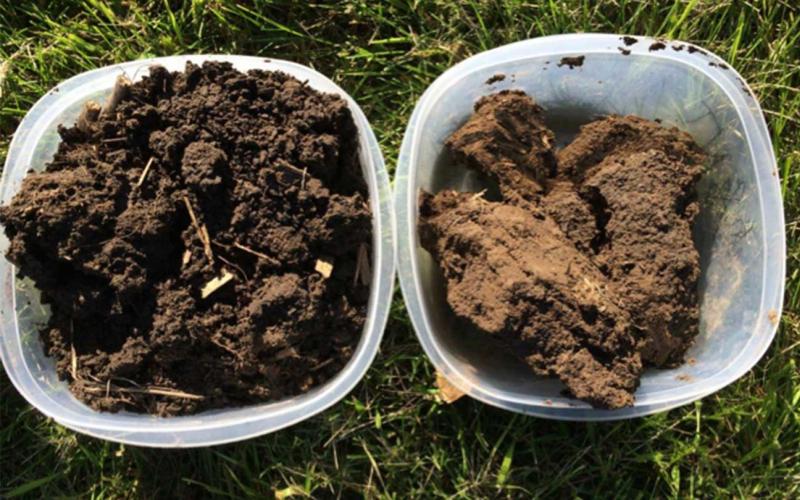
Organic Agronomy Starting to Impact
For decades scientists have known that a handful of soil contained more micro-biological organisms than the number of humans on earth. Science is just beginning to discover these organisms and learn about their functions and contribution to their soil ecosystem.
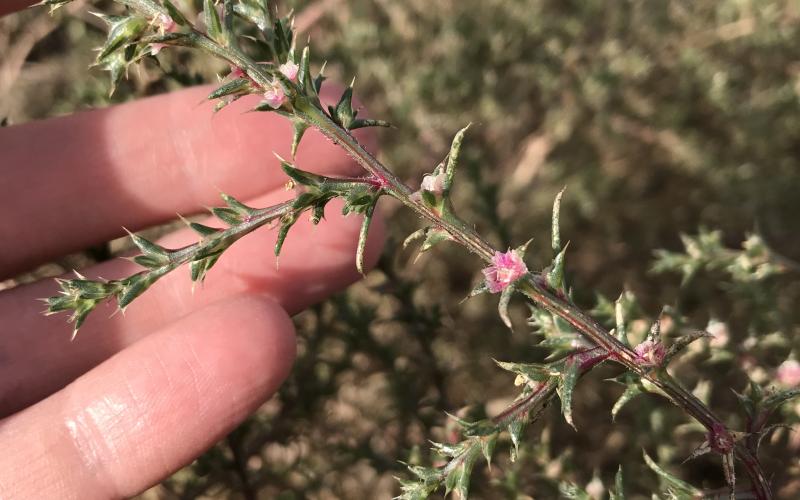
Prickly Russian Thistle
Publications that provide introductory and expanded information on the notorious invasive plant, prickly Russian thistle.
Crops
During the growing season, SDSU Extension provides weekly production recommendations.

Financial Ratios and Trend Analysis
Financial Ratios and Trend Analysis is designed to formulate financial ratios and data, utilizing information provided by the producer.
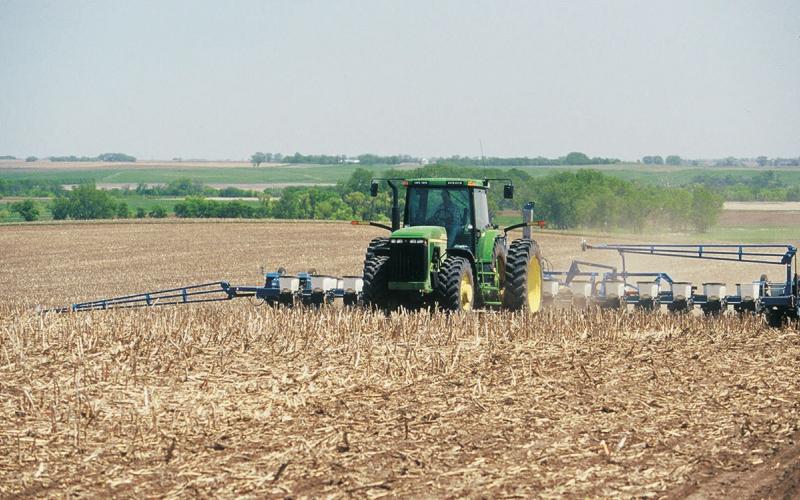
Conservation Practices Increasing in South Dakota
The recently released Agricultural Census data of 2022 shows that the share of cropland acres under conservation practices has continued to increase in South Dakota.

Southern Rust, Bacterial Leaf Streak, and Eyespot Are Developing in Corn
Southern rust was found in Yankton County, bacterial leaf streak was found in Brule County, and eyespot was found in several fields and counties the week of July 27, 2020.
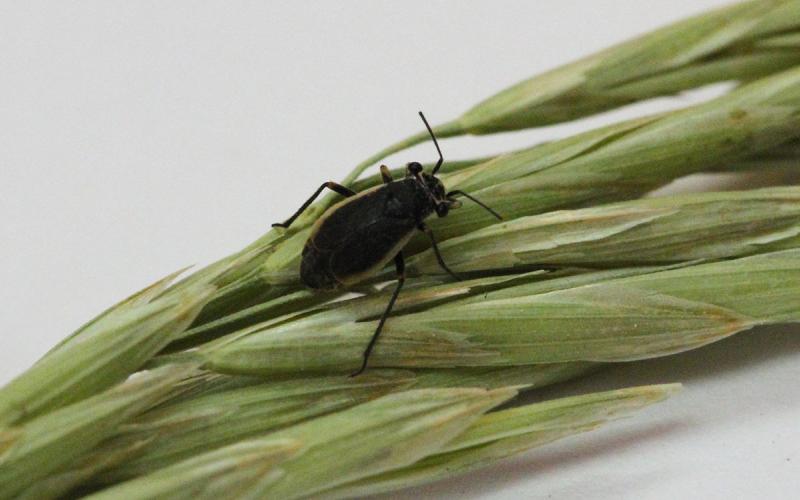
Time to Start Scouting for Black Grass Bugs
In central and western South Dakota, black grass bugs are a common spring forage pest that can cause considerable damage during periods of drought. Learn how to monitor and manage this pest to protect your forages this spring.
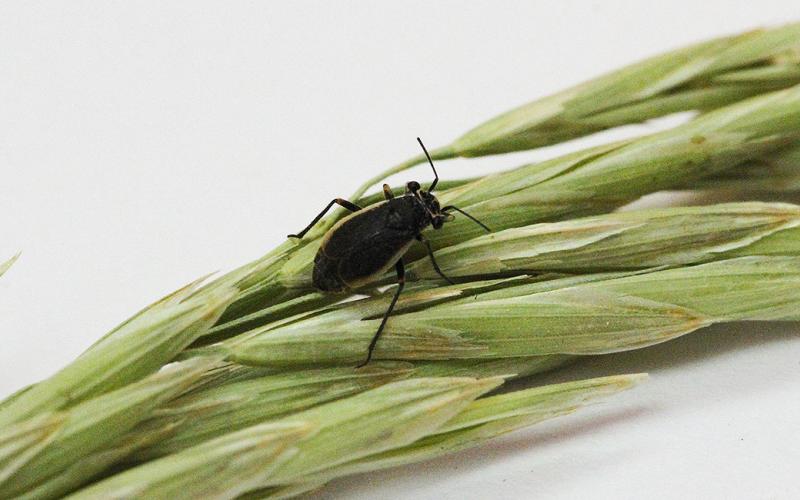
Black Grass Bugs May Cause Issues if Drought Persists
In western South Dakota, black grass bugs are a common spring forage pest that can cause considerable damage during periods of drought. Learn how to monitor and manage this pest to protect your forages this spring.
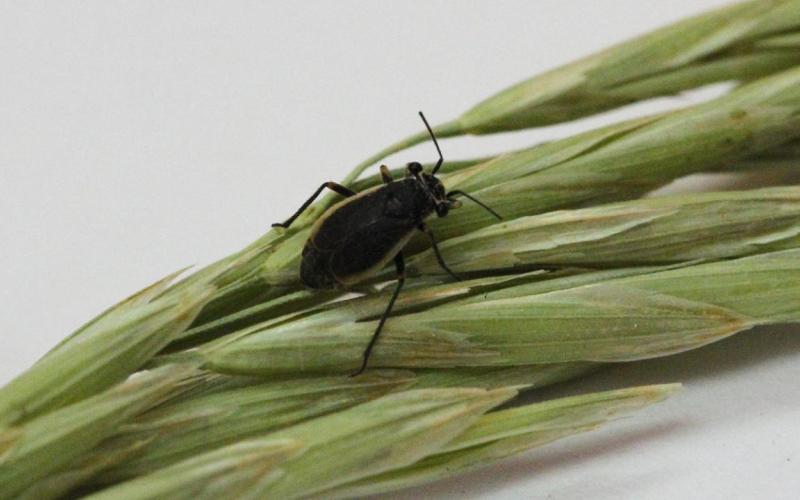
Keep an Eye on Black Grass Bugs This Spring
In South Dakota, black grass bugs are a common spring pest of forage grasses. This native insect first appears in late April and May when grasses emerge from dormancy.