Search

Feeding Drought-Stressed Corn to Livestock
Drought-stressed corn can remain a valuable forage resource when harvested and stored appropriately. Successful utilization depends on careful management, including harvesting at the proper moisture content, achieving adequate packing density, and excluding oxygen during storage.
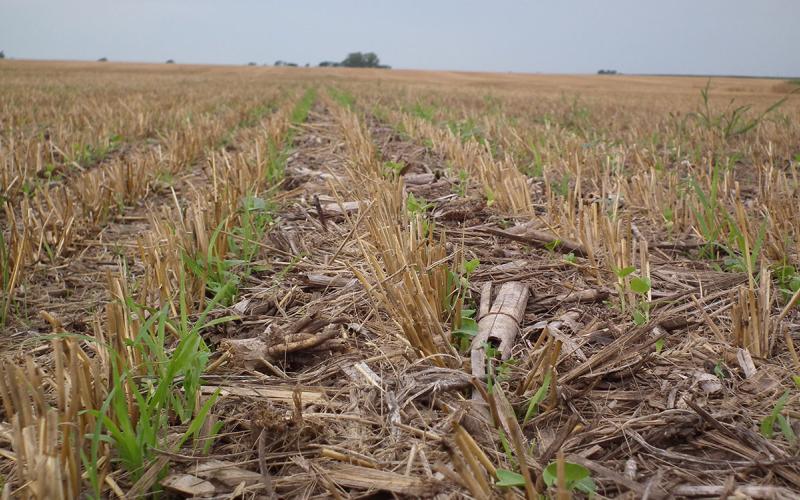
Soil Organic Matter Matters: How Conservation Practices Bring Value to Farmers
Conservation management practices, such as conservation tillage, cover crops, crop rotation and livestock integration, help improve soil health over time and offer producers numerous economic benefits.
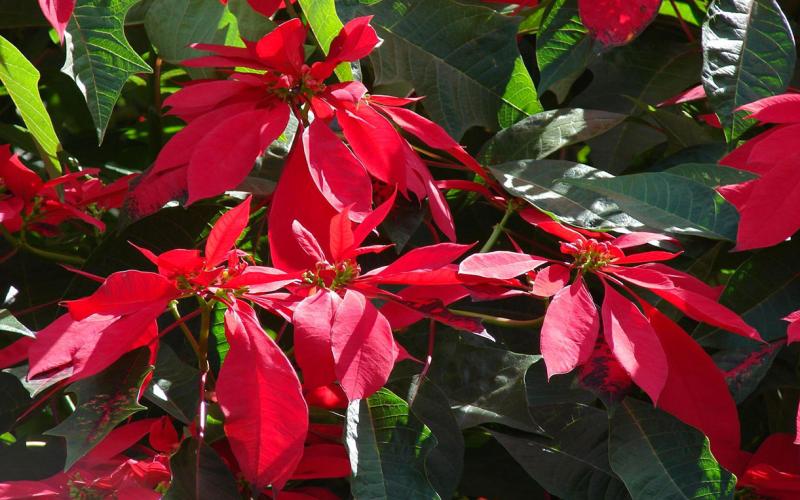
Are You Photoperiodic? Poinsettias Are: An Explanation of This Unique Plant Process
Poinsettias are photoperiodic, which means they rely on cues from nature, like the shortening day or night, to change how they grow. Learn all about this unique plant process and how it helps Poinsettias bloom and re-bloom.
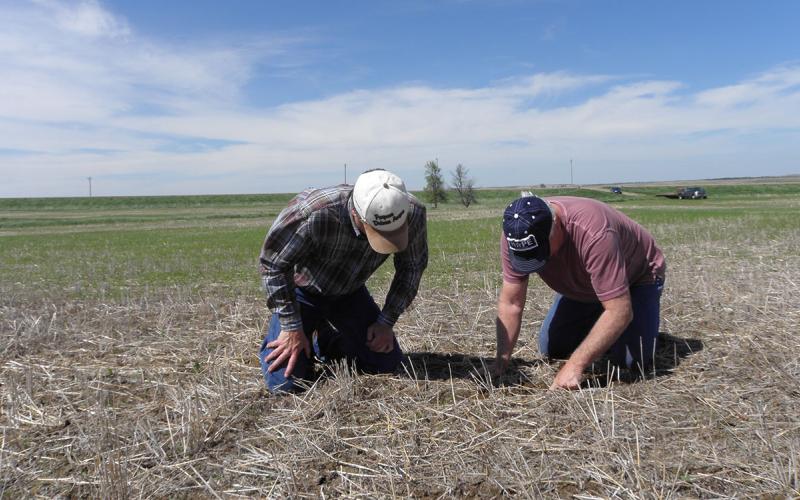
Managing Soil for Carbon Storage
Did you know that adopting soil health principles can lead to increased soil carbon concentrations? Learn about some recent studies in South Dakota that evaluated the potential of land management activities to increase soil carbon.

Scout for Corn Ear Rots
Several corn fields scouted in northeastern South Dakota counties were found with ear rots. Ear rots were mostly prevalent in areas that experienced hailstorms in the recent past. Ear rots in corn are caused by a few fungal pathogens, and which ear rot develops depends on the weather conditions.
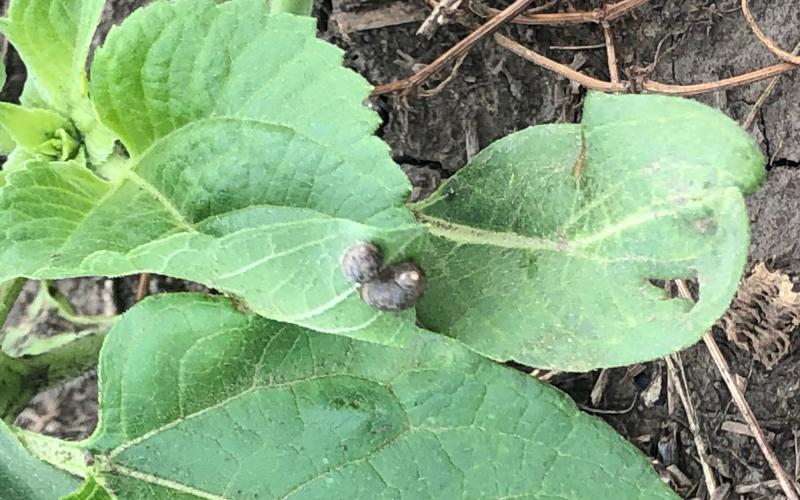
Snails Observed in South Dakota Sunflower
Last week we received reports of snail populations causing issues in South Dakota sunflower fields. Snails are normally not an issue in South Dakota crops but like their slug relatives, they can pose a threat to crops when field conditions are just right.
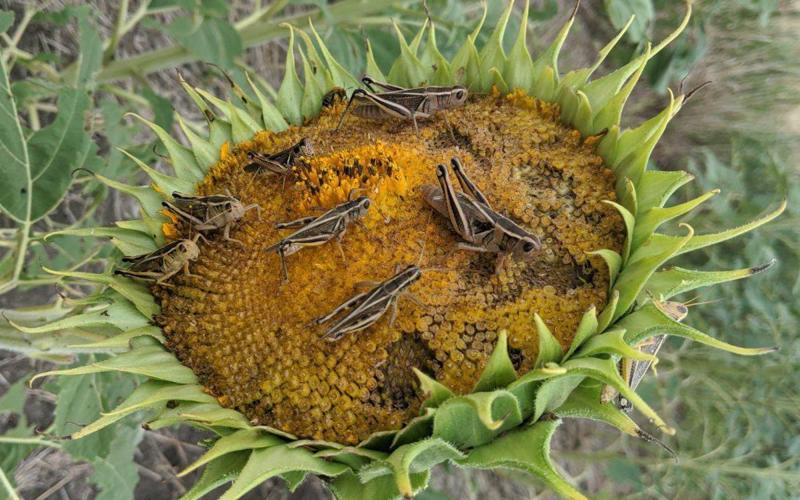
Watch Sunflowers for Grasshopper Defoliation and Flower Feeding
Grasshoppers continue to be an issue in some areas of South Dakota. The hotspots seem to be along the Missouri River, but it is a reminder that everyone should be monitoring their crops for grasshopper feeding.
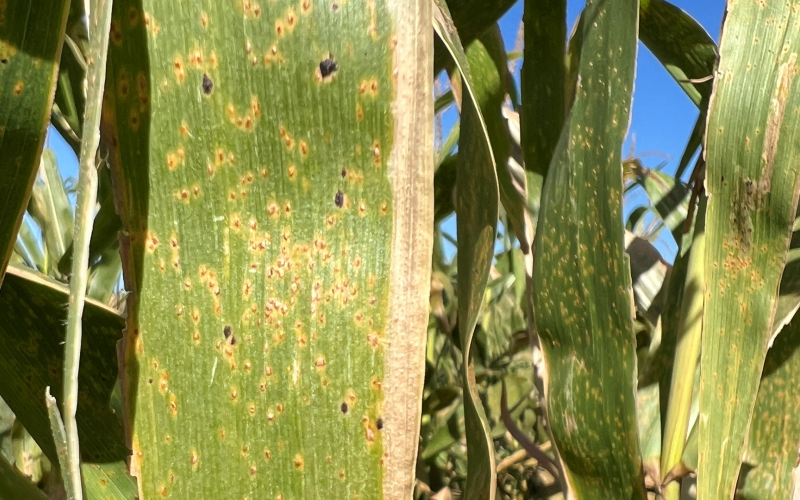
SDSU Extension to host disease scouting workshop for corn, soybeans
October 01, 2024
If you have been wondering what you’re seeing in your corn or soybean fields this season, join the SDSU Extension plant pathology team in Volga to see tar spot in the corn field and white mold in the soybean field, or to have your own diseased plant material identified.
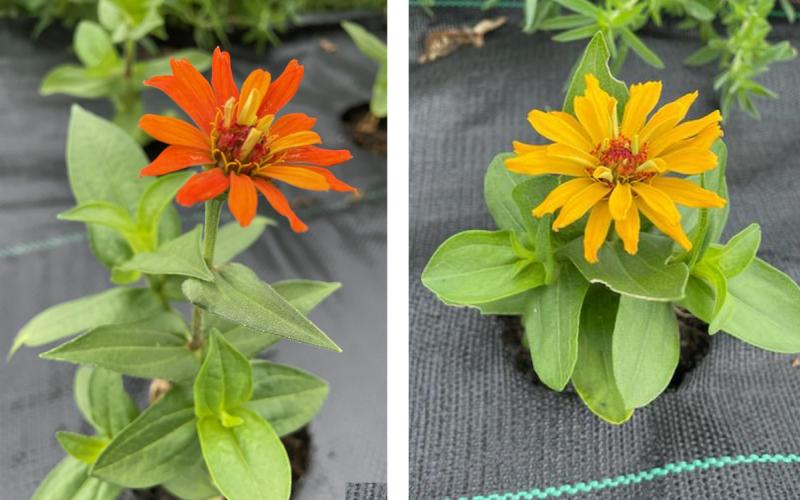
Beneficial Flowers for Organic Vegetable Production Systems
Learn about a wide variety of flowers that can be planted in guard rows among vegetables to attract beneficial insects and reduce pest pressure in organic vegetable gardens.
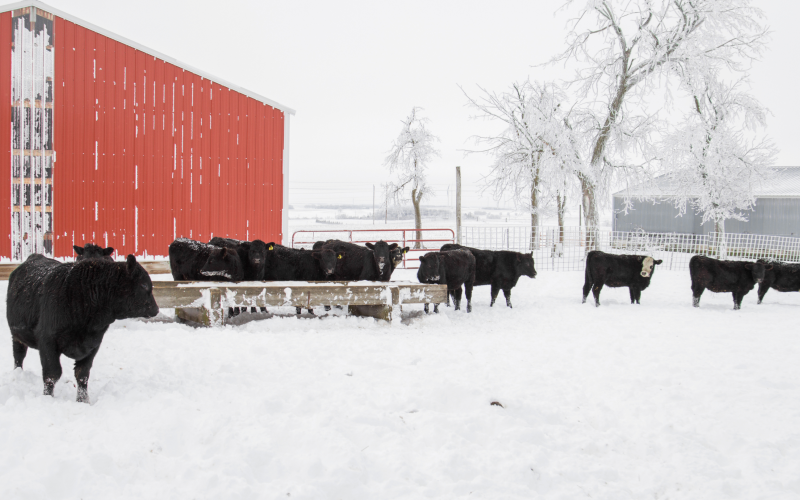
SDSU Extension to provide educational sessions during 2025 Dakota Farm Show
December 19, 2024
South Dakota State University Extension will provide a day of educational sessions for crop and cattle producers during the 2025 Dakota Farm Show in Vermillion.