Search
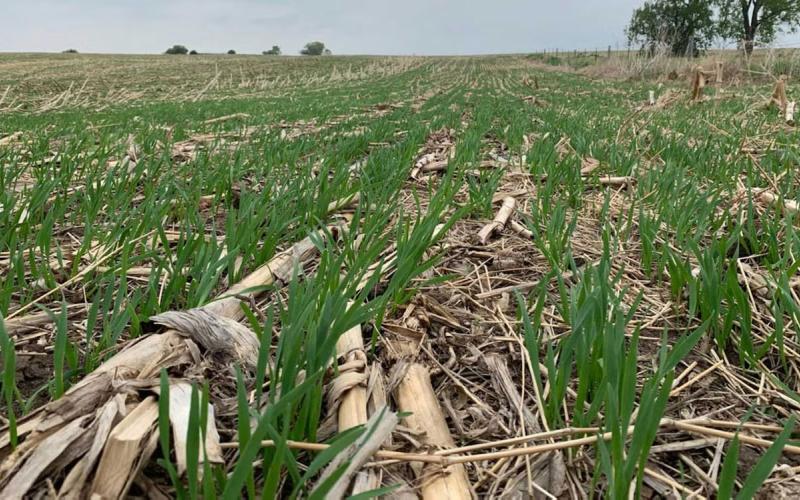
Oat Nitrogen Fertilizer Rate Guidelines: Do we use the yield goal or maximum return to nitrogen approach?
Nitrogen is an essential plant nutrient commonly applied to oat crops. It is important to apply an appropriate rate of nitrogen fertilizer to oats, as too little can reduce economic return, while too much can lead to potential negative environmental effects.
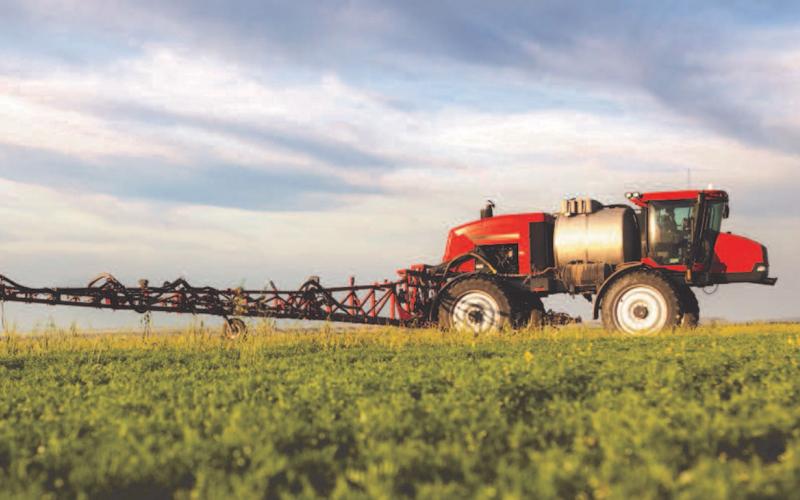
How to Stop Drift
The goals of applying any crop protection products include: increasing effectiveness, mitigating drift, and maximizing profits. We will focus on mitigating drift, even though all three interact with each other.
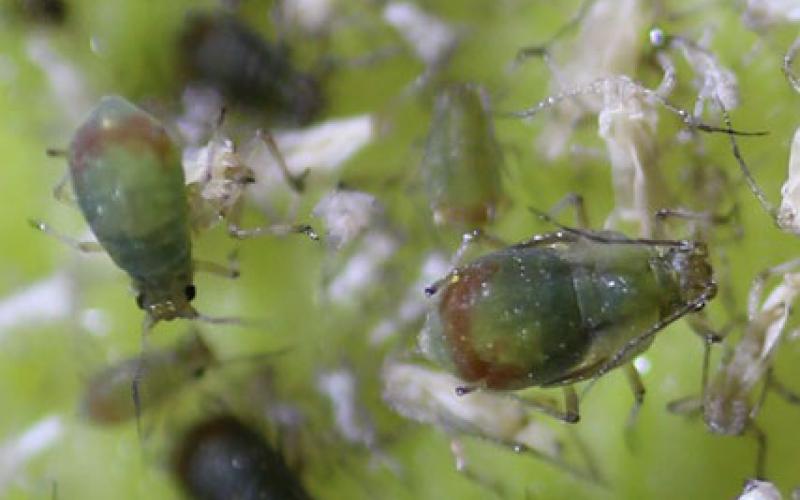
Scouting Winter Wheat for Aphid Pests
Although we cannot predict aphid pressure in winter wheat, there are measures that may be taken to reduce the risk associated with these insects.
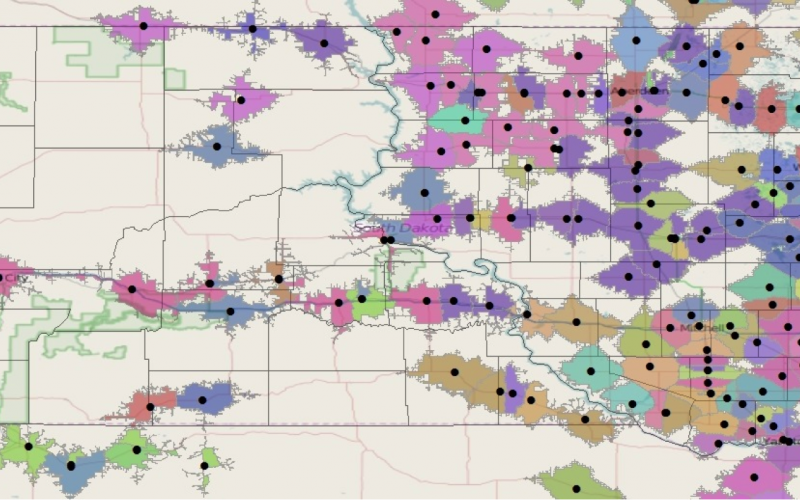
Grain Merchant and Processor Consolidation, Concentration, and Competition
A general trend in the last century has been for greater consolidation among Grain Merchants and Oilseed Millers and Processors. The U.S. Census Bureau tracks the number of firms and/or establishments and value of sales (market size) by industry sector every 5 years as a part of the Economic Census. In addition to the number of firms and sales, the Census Bureau publishes concentration ratios for each sector. One concentration ratio they publish is the amount of sales attributed to the four largest firms in that sector. The percentage of sales of the 4 largest firms is a measure that aids in identifying the type of market structure that exists.
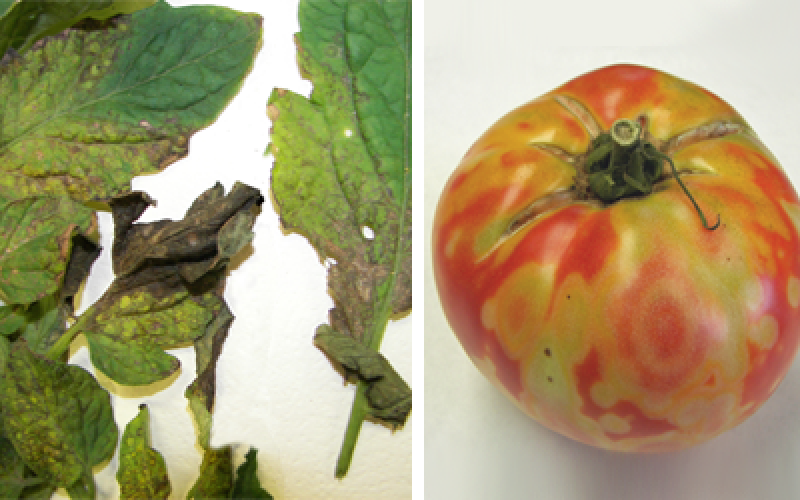
Tomato Spotted Wilt Virus
Tomato Spotted Wilt Virus can be a problem in both field and greenhouse situations, and most frequently its effects in South Dakota are observed on tomatoes and peppers.

Red Fescue (Festuca rubra), A New Grass in the Black Hills: Friend or Foe?
Red fescue (Festuca rubra), a cool-season, dominate rhizomatous grass, has started showing up on disturbed ground near meadows and forests. While it is not a state noxious weed yet, its spread has raised questions from producers.
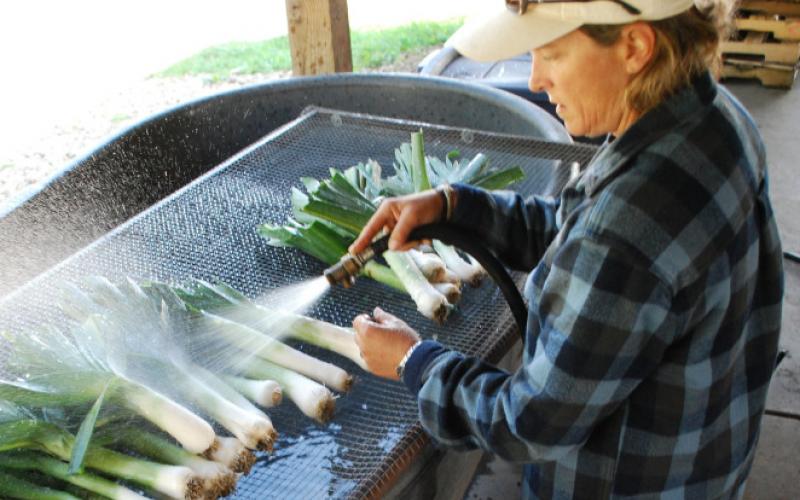
Food Safety Rules for Fruit & Vegetable Growers: FAQ
It seems rules and guidelines for growing fresh produce safely are constantly changing, as new laws and regulations are implemented each year.

USDA-ARMS Survey Data: Benefits for university agriculture research & outreach
Conducted since the mid-1990s, the USDA Agricultural Management Resource Survey (ARMS) is a multi-phase, multi-level nationwide survey of agricultural producers that collects information on a large sample of farms and their characteristics.
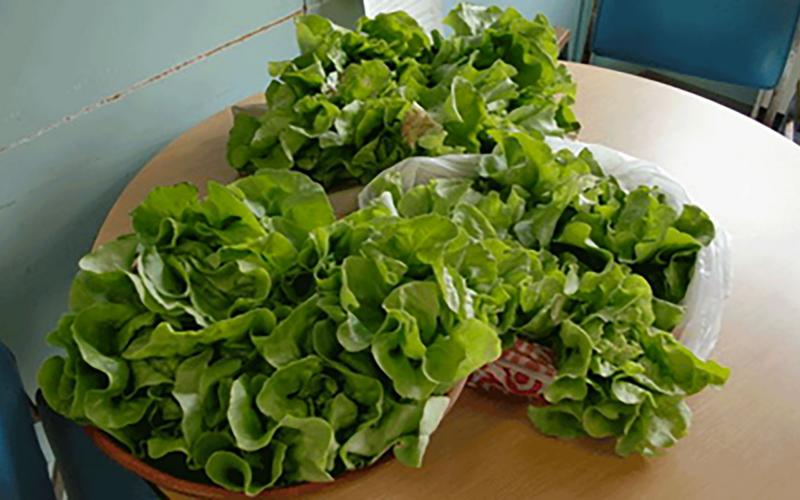
Best Practices When Harvesting Leafy Greens for Market and Home
The harvesting of leafy greens to maintain quality and safety focuses on the key risk factors from the time harvest begins to selling at market. The food safety risk factors involve temperature, time, water, worker hygienic practices, and food contact surfaces.
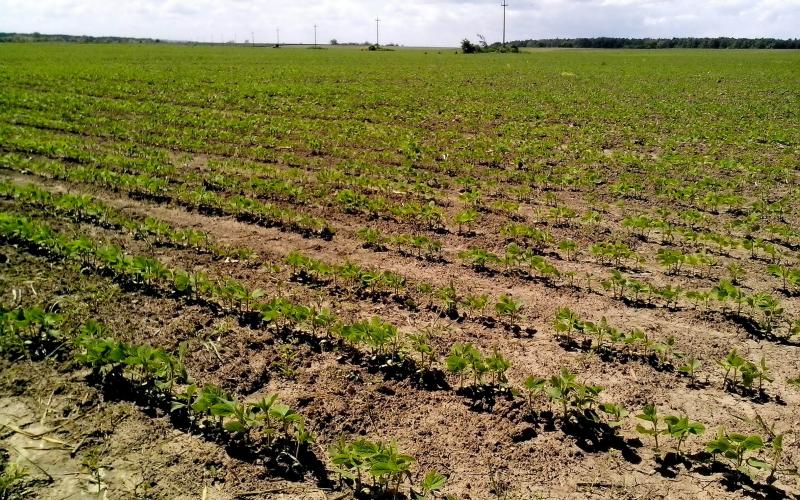
Soybean Production: Cost-effective pest management practices
Chemicals were one of the most expensive individual costs in soybean production, behind only to seed in the non-land cost category. The average cash-rent soybean production farms incurred a crop chemical cost of $39/ac in 2015, an 88% increase from 2010.