Search
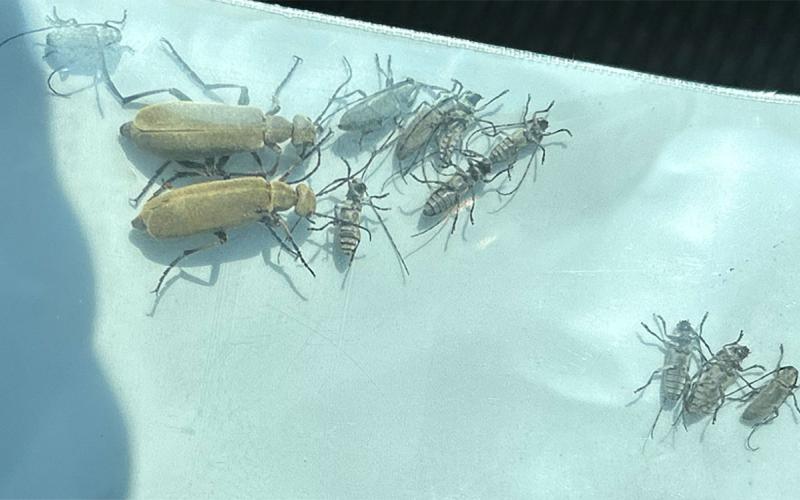
Dectes Stem Borer Adults Are Active in Soybean
SDSU Extension is again surveying soybean in South Dakota for Dectes stem borer adults. After a slow start this growing season, large populations of beetles were observed in soybeans last week.
SDSU Extension to host off-season Garden Hour series
September 09, 2025
South Dakota State University Extension will continue its popular Garden Hour series during the off-season with webinars every other month.
What Makes Winter Wheat a “Winter Wheat”?
For most of us wheat is wheat; however there is a distinct difference between spring and winter wheat, even though the vegetative characteristics of these two wheat types are very similar. Winter wheat can withstand freezing temperatures for extended periods of time during the early vegetative stage and requires exposure to freezing or near freezing temperature to trigger reproductive stage. In other words, if winter wheat does not go through a period of cold temperatures, then it will not produce seed. Two things needed for winter wheat to perform at optimally and produce good yields are- cold acclimation and vernalization.
Are Cheap Home Garden Soil Test Kits Accurate?
Inexpensive soil test kits are a method available for gardeners available to estimate soil pH and the level of nitrogen, phosphorous and potassium present in the soil.

How Early Is Too Early to Plant Row Crops?
Although it can be tempting to get a head start with row crops, it is important to be mindful of soil temperatures and the associated risks with planting early.

Syngenta to Stop Production of Gramoxone®
Global pesticide developer Syngenta announced on March 3, 2026 that they will cease global production of the herbicide product Gramoxone® (paraquat), a pivotal source of weed control in corn and soybean production, by June 30, 2026.
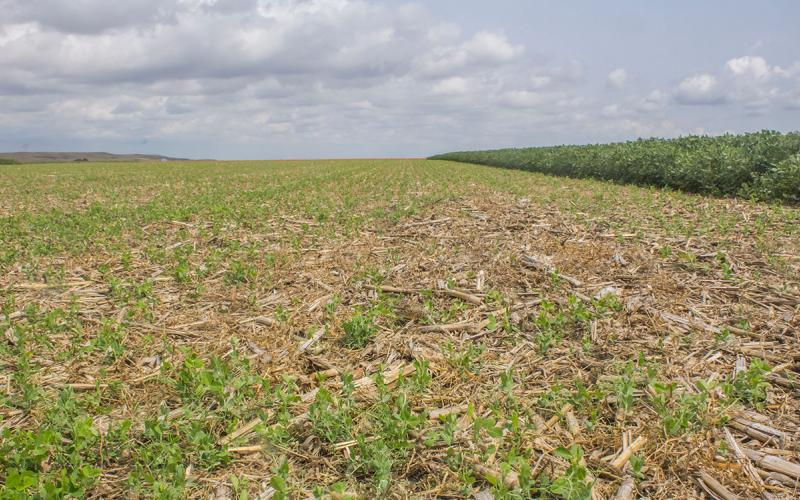
Midwest Cover Crops Council Releases Third Edition Cover Crops Field Guide
November 29, 2021
Cover crops are used to slow erosion, improve soil health and capture nutrients. From planting to termination, growers face many production decisions, however.
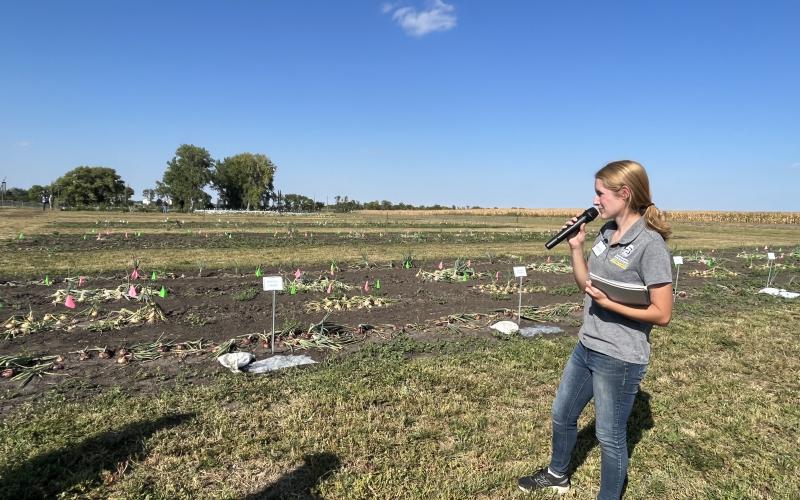
SDSU provides updated recommendations on soil tarping
June 08, 2026
South Dakota State University has published new recommendations on soil tarping that can help producers manage weeds.
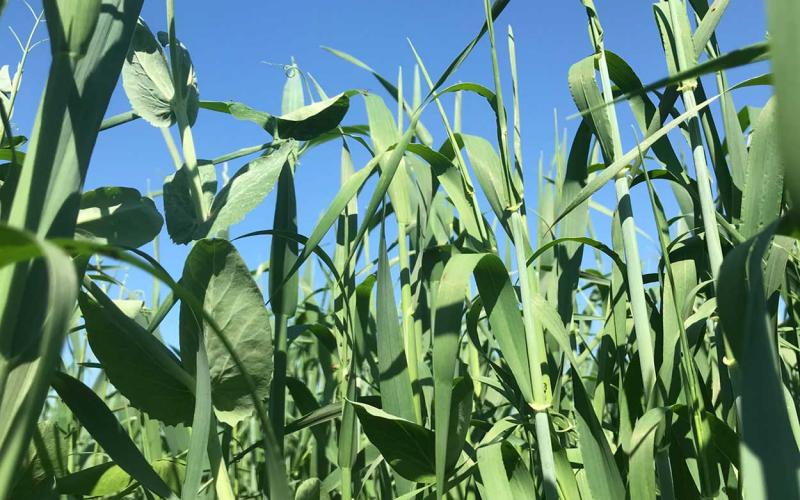
Cover Crop Considerations for 2020
Producers across South Dakota are harvesting small grains. These crops provide an excellent window for adding a cover crop into your rotation.
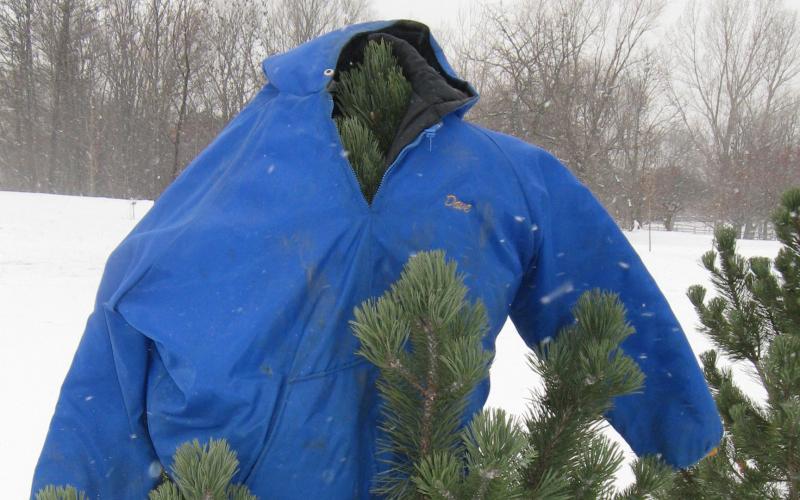
It's Cold! How Can Our Plants Trees and Shrubs Withstand It?
The Northern Great Plains have experienced colder than normal weather over first few weeks of December. Cold temperatures certainly do affect our plants but there are some important differences.