Search
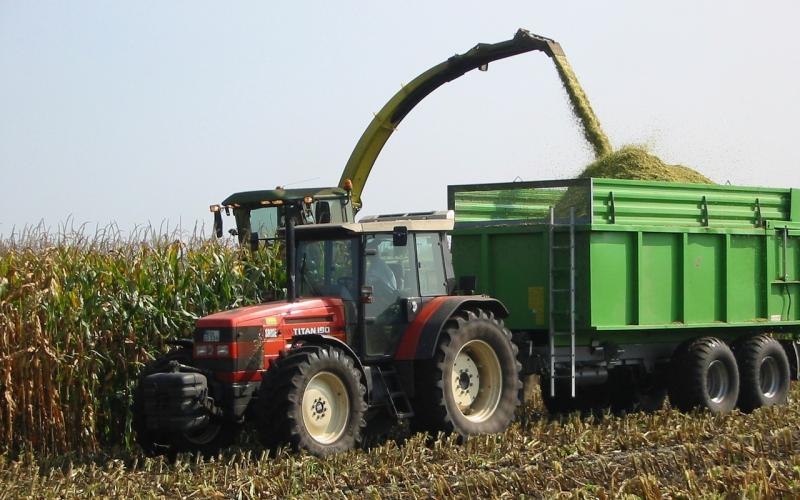
Video Series Offers Tips on Harvesting Failed Crops as Forage
August 24, 2021
To help producers navigate through these issues, SDSU Extension and the South Dakota Soil Health Coalition have recently released a new video series, “Salvaging Drought Stressed Crops.”
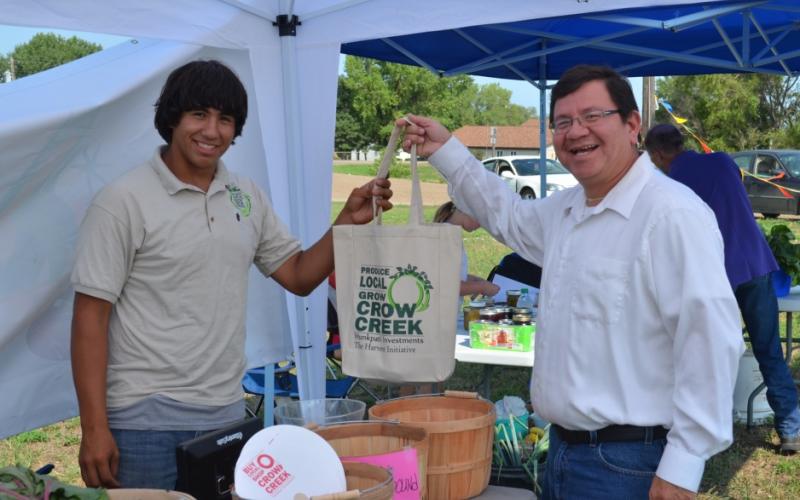
Native American Gardens
Learn more about Native American community garden projects throughout South Dakota and access helpful resources with information on starting up Native American community garden projects.

SDSU Extension welcomes new specialty crop expert
August 12, 2025
South Dakota State University Extension is pleased to welcome Nick Volesky as a new Horticulture and Specialty Crop Field Specialist.
![A green tractor planting seeds in a no-till field. Courtesy: United Soybean Board [CC BY 2.0] via Flickr](/sites/default/files/styles/teaser_800x500/public/2019-10/W-00433-00-no-till-planting-soybeans-field.jpg?h=b2774bcf&itok=4KjGmXKP)
Farm Practices That Improve Soil Health: Crop Rotations and No-Till
Implementing crop rotations and no-till practices are common suggestions to reduce erosion, control pests, and improve yields. These practices can also improve soil health through an increase in soil carbon levels.
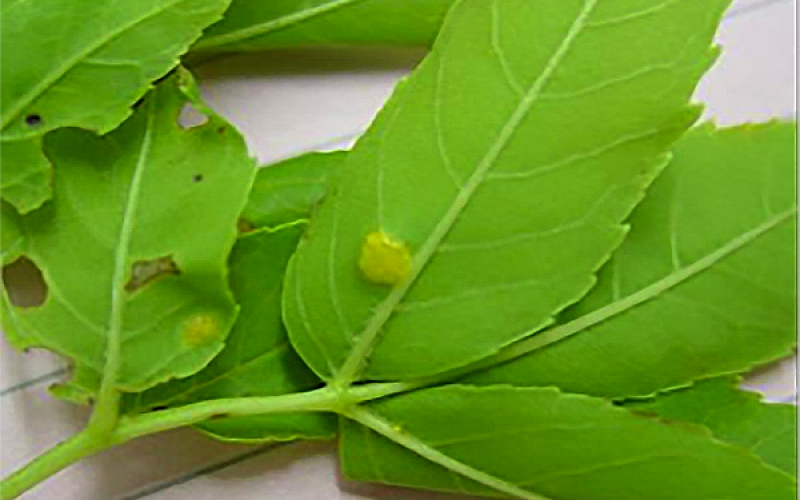
Tree Rust Diseases
Ash rust and crown rust are two common rust diseases that impact South Dakota trees.
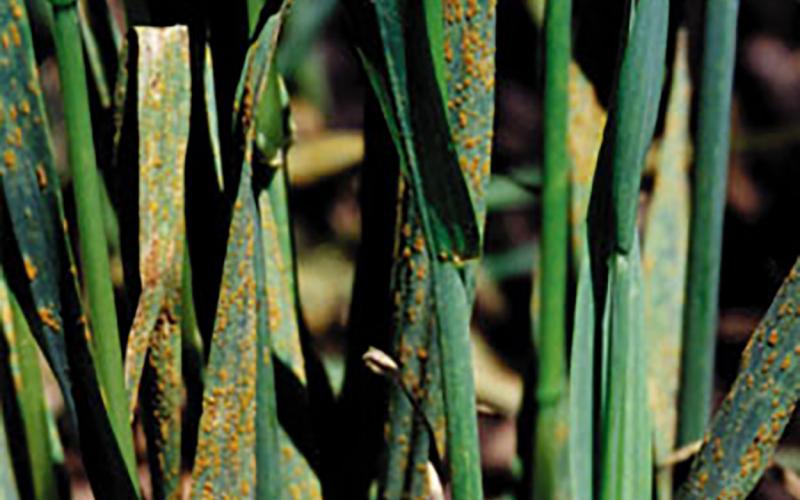
Does Crown Rust in Oats Cause Problems for Livestock?
When wet, cool conditions predominate in the spring, crop producers may have to deal with crown rust in oats. When this crop disease is abundant, questions from livestock producers arise. Could crown rust in oats harm livestock if it’s present on pasture or in hay?
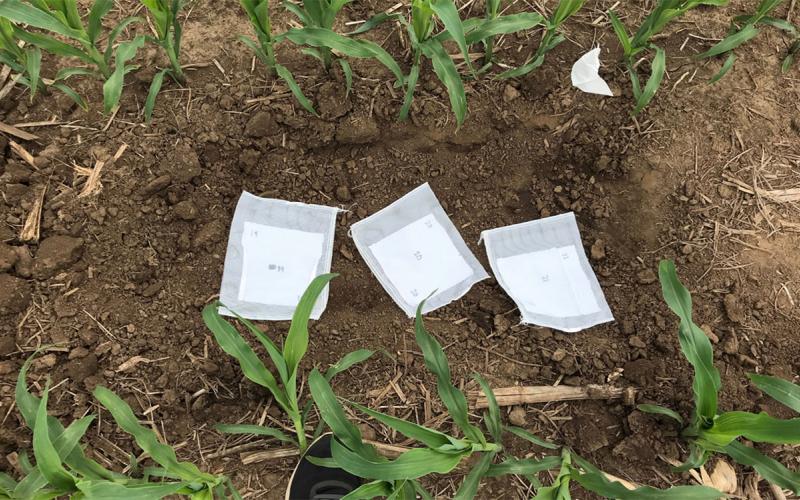
Cotton Strip Soil Test: Rapid Assessment of Soil Microbial Activity in the Field
Soil has always been considered as a living system due to its biological components: fungi, bacteria and plant roots. Under several ongoing research projects, we started researching how we can use ‘cotton strip assay’ to compare different cover crop mixes to optimize field soil activity and build up better soil health.
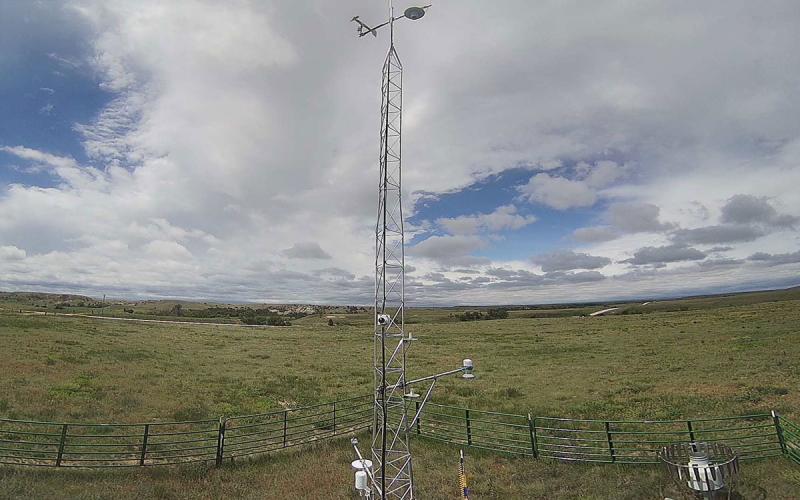
Climate and Drought Update: July 2026
On June 18, 2026, NOAA’s Climate Prediction Center released their latest climate outlook for July and the coming three-month season through September.
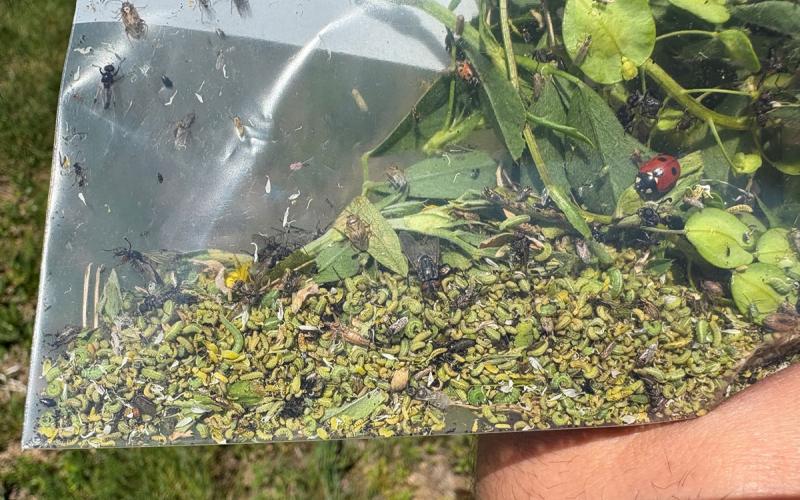
Learn about alfalfa weevil at Northern Plains Forage Association annual meeting
November 17, 2025
South Dakota State University Extension encourages producers to attend the Northern Plains Forage Association annual meeting and seminars, which will feature forage-related education and research.
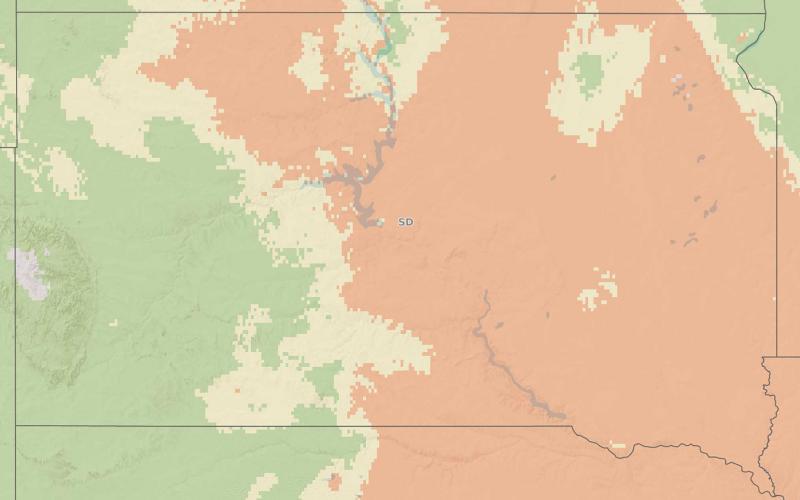
The Fusarium Head Blight Prediction Tool
The Fusarium head blight prediction tool, available through Penn State University and Mesonet at SDState, uses weather variables to predict the risk for Fusarium head blight in wheat.