Search
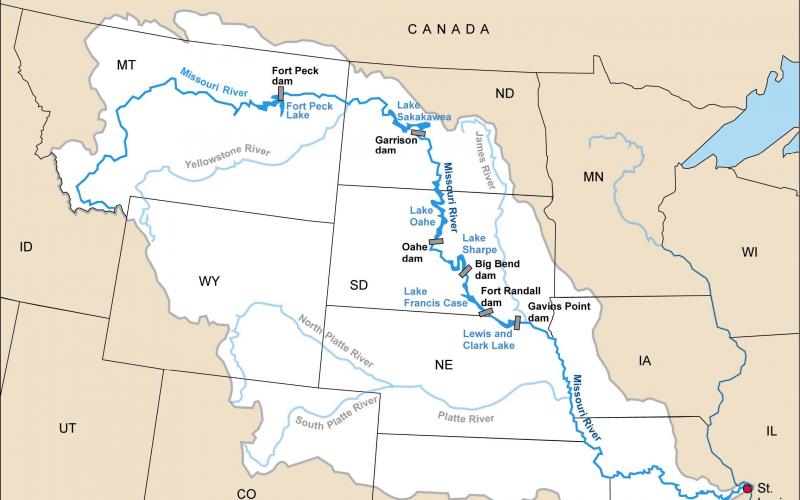
Zebra Mussels Impacting Missouri River Reservoir System
In July 2019, South Dakota Game, Fish & Parks officials confirmed of presence of zebra mussels in Lake Sharpe near Fort Thompson after U.S. Army Corps of Engineers staff initially discovered them while performing inspections on Big Bend Dam.
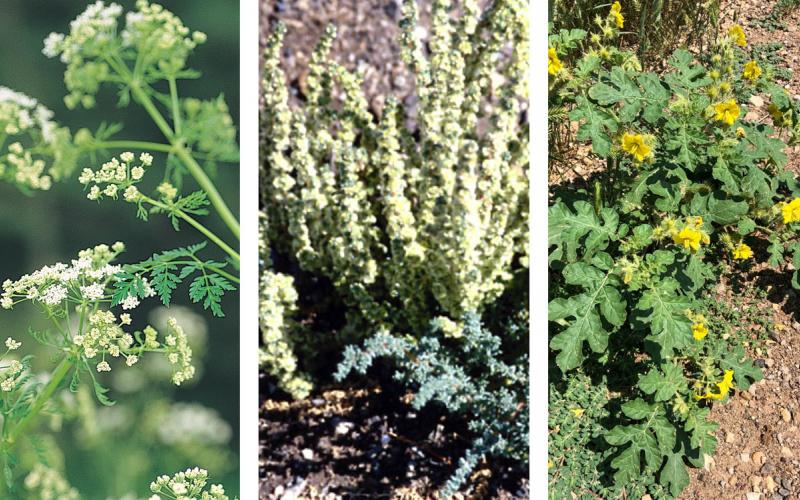
Poisonous Plants on Rangelands: Hemlock, Halogeton and Buffalo Bur
Several species of poisonous plants are invasive and can easily establish dense stands when there is a disturbance on rangelands. Hemlocks, halogeton and buffalo bur can all be found throughout South Dakota and are toxic to livestock.
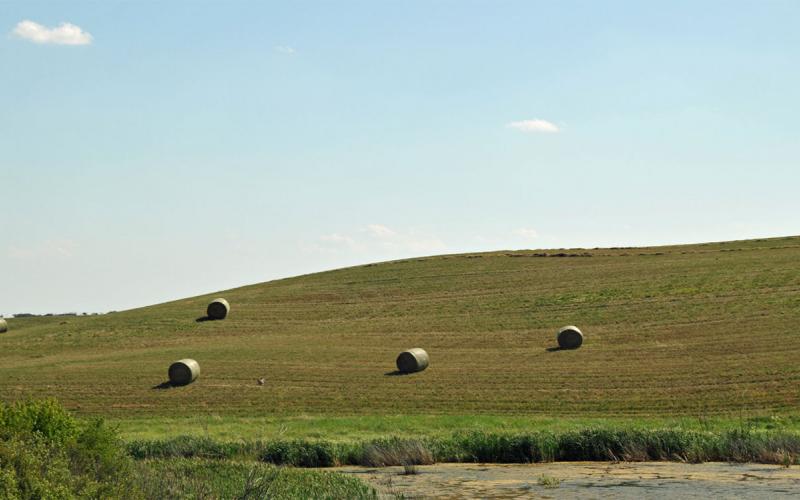
Haying and Mowing/Clipping
While grazing is the primary means of harvesting the majority of South Dakota’s native grasslands, haying also plays an important role in native and tame grassland management.

Five Range Management Principles: #3 Ecosystem Biodiversity
Milkweed can help make rangelands a better environment for both cattle and neighboring plants and animals by having a shielding effect on companion plants, preventing erosion and accelerating the decomposition process, whole also providing nectar, habitat and organic material for ecosystem services.
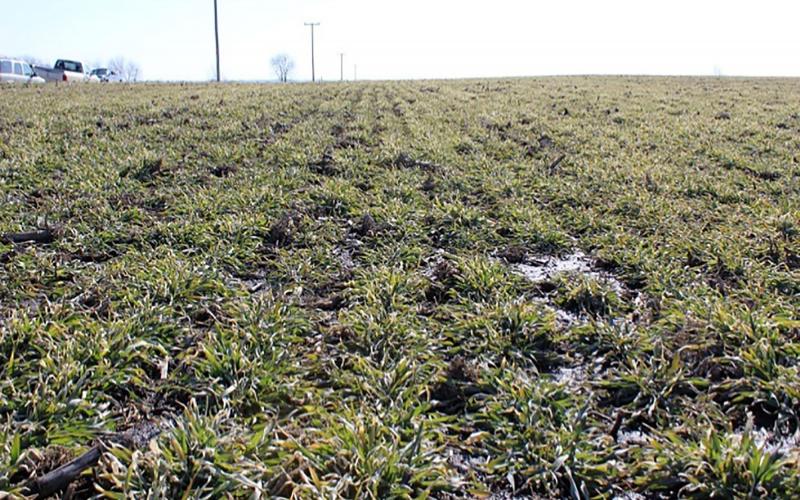
Farm Practices That Improve Soil Health: Cover Crops and Crop Residues
Planting cover crops and returning crop residues (stover) to the soil both adds nutrients and improves overall soil quality. These practices are common with producers across South Dakota and have been recently studied by researchers to identify how they impact the release of greenhouse gases into the atmosphere.
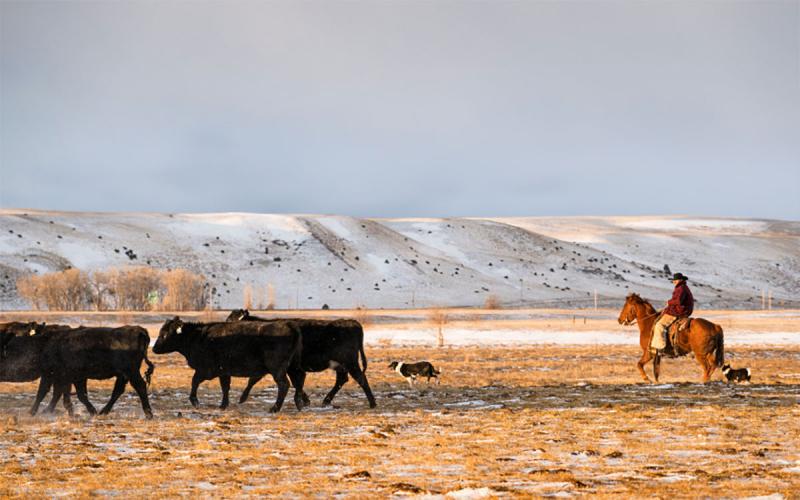
Preparing for Spring Grazing After a Dry Fall: Strategies for Ranchers
A dry fall presents significant challenges, but it also offers an opportunity to implement proactive and adaptive management strategies.
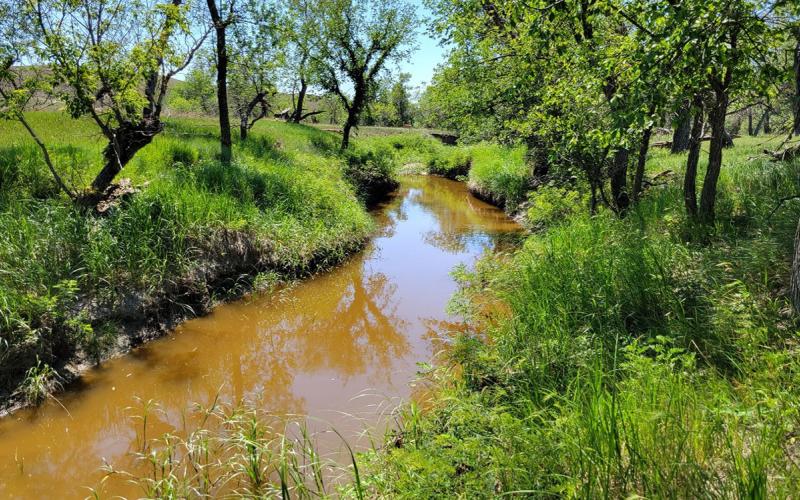
Ranching and Prairie Streams: Why Riparian Areas Matter
For many producers, riparian pastures are essential to their operations. However, land managers need to balance grazing and utilization needs with riparian health for the long-term benefit of their operation.
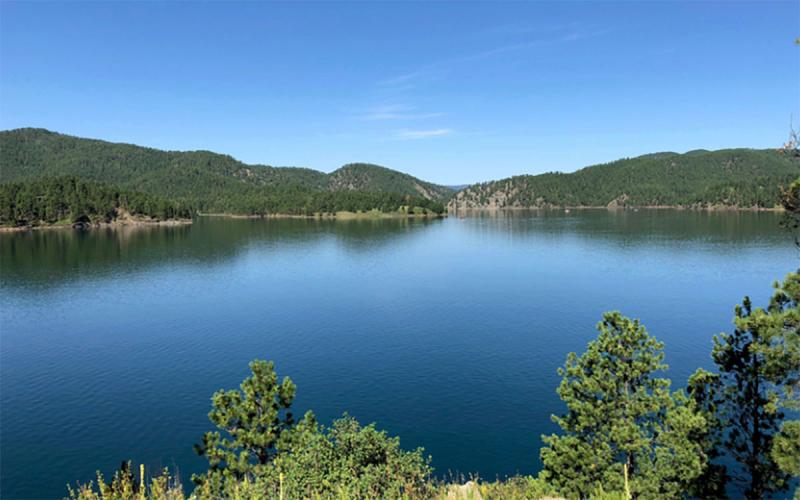
Understanding Suspended Solids in South Dakota's Waterways
Fact sheet on understanding suspended solids in South Dakota's waterways.
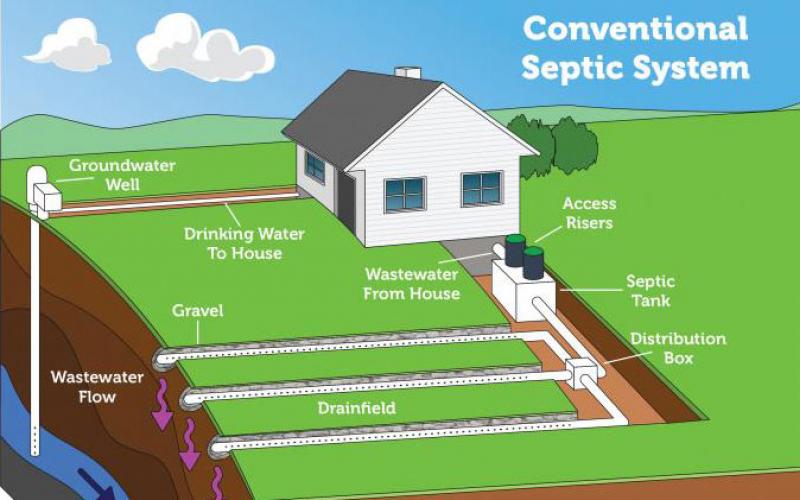
Septic Systems and Flooding
Septic systems may not always be a homeowner’s first concern during a flood. However, as South Dakotans continue to navigate an exceptionally wet spring, some consideration should be given to your septic system to prevent damage to your home and protect your family’s health.
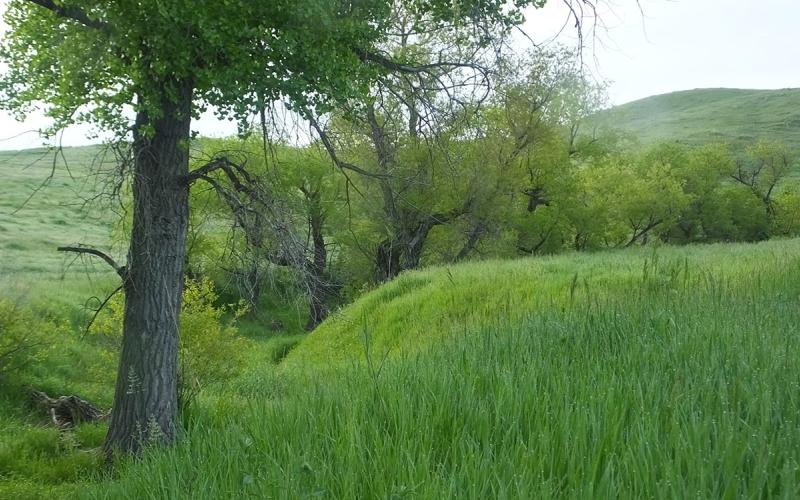
Ranching and Prairie Streams: Riparian Vegetation
Riparian vegetation consists of the collection of plants that thrive along streams, riverbanks, and wetlands. Learn about the many ecological benefits this vegetation provides.