Search
Fall Noxious Weed Control
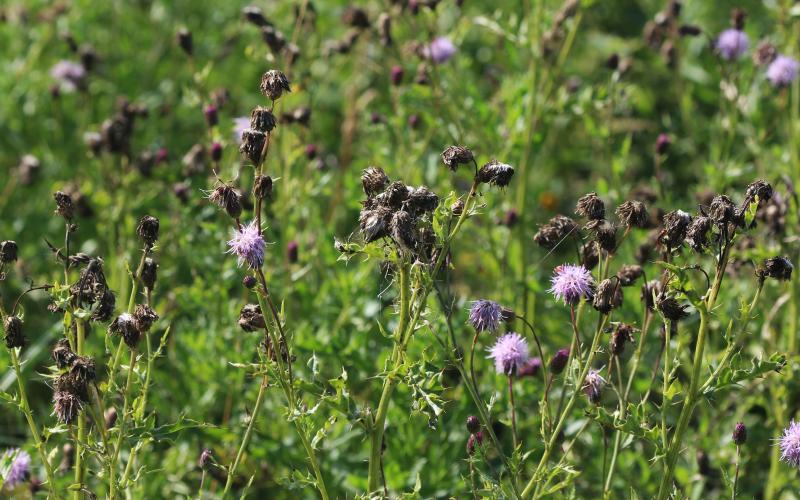
Fall weed control can give the best weed control, but it also can be a poor time. If the noxious weeds were sprayed or clipped earlier this summer, and there is good weed growth now, this would be an excellent time to spray these weeds and get a good kill.
Can You Break the Hydro-illogical Cycle?
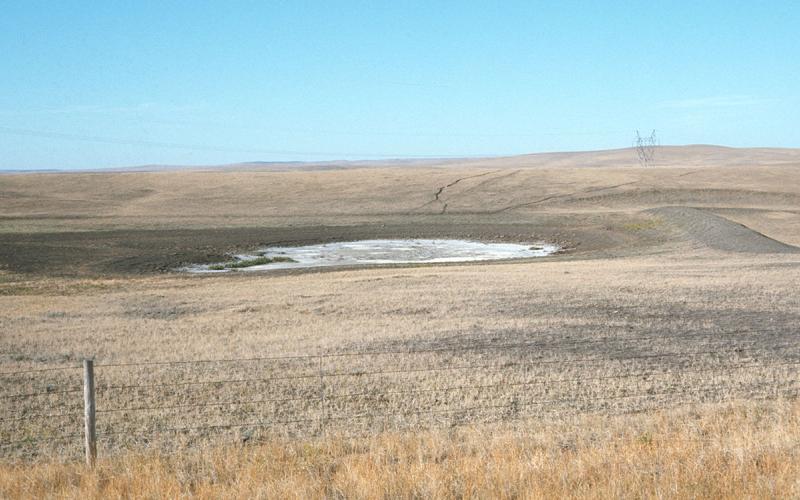
Regardless of the time of year, it is critical to start thinking about the next drought before we are in it. Learn some key strategies for breaking the Hydro-Illogical Cycle by leveraging drought motioning resources and creating a plan for your operation.
Spring and Winter Camelina in South Dakota
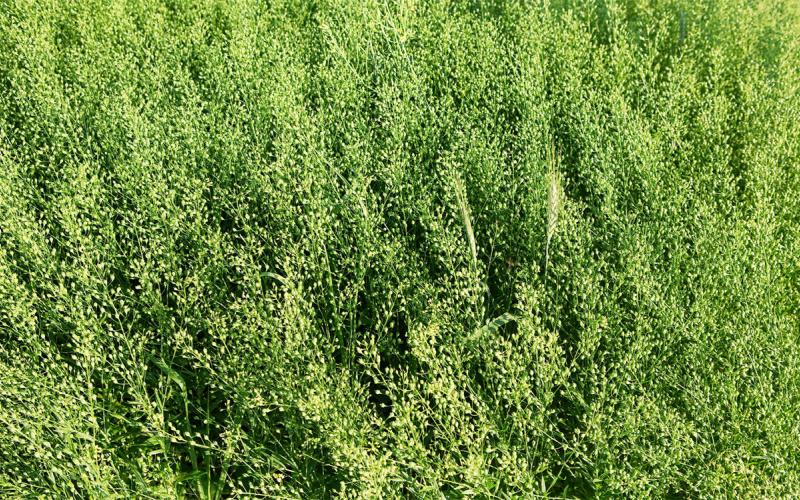
In the semi-arid, western portion of South Dakota, camelina has potential value as a fall-seeded cover crop, providing flexibility in crop rotations for improving soil health.

Five Range Management Principles: #3 Ecosystem Biodiversity
Milkweed can help make rangelands a better environment for both cattle and neighboring plants and animals by having a shielding effect on companion plants, preventing erosion and accelerating the decomposition process, whole also providing nectar, habitat and organic material for ecosystem services.

Soil Testing for Vineyards in South Dakota
Not all soils are conducive to growing quality grapes, so prospective vineyard sites should be tested before a decision is made to plant grapes. Tests can identify soils that are either too high in pH, salts, or salinity, or that are “too rich” (too high in organic matter and nitrogen) for grapes. In addition, testing before planting allows for the incorporation of nutrients—such as phosphorus—that do not move easily through the soil to plant roots.
Reading the Range: Range readiness, grazing timing and drought considerations
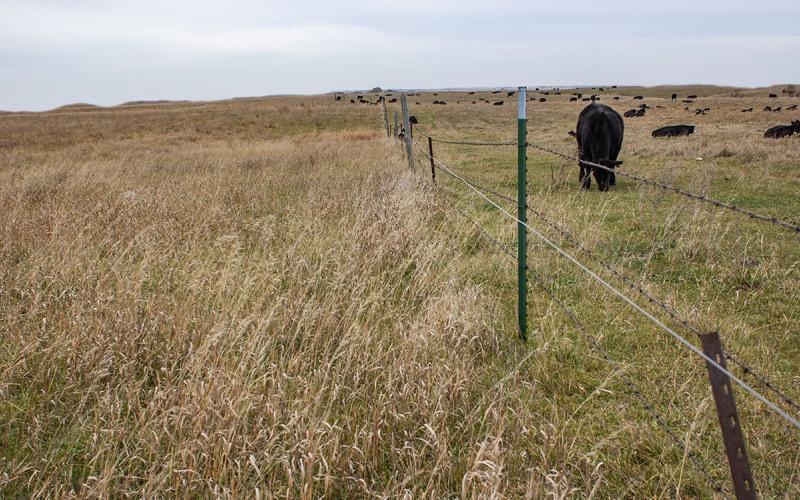
Grazing timing is key when managing rangelands during a drought. Learn how to determine grazing readiness for different plant communities found throughout pastures and rangelands.
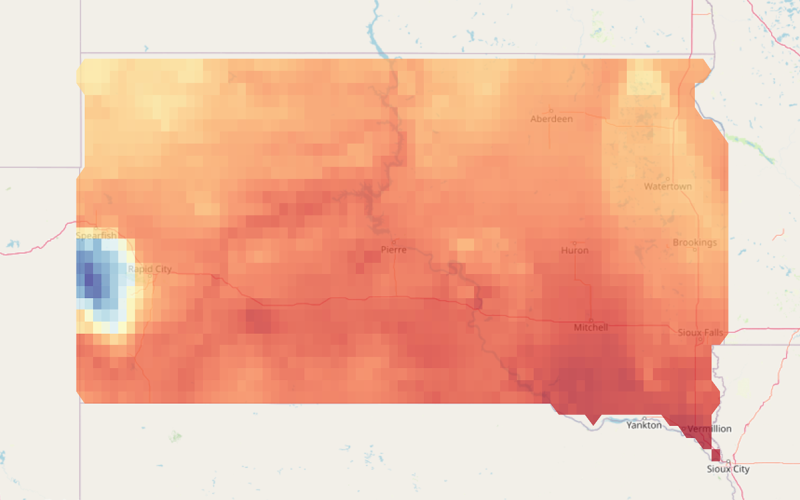
South Dakota Grazing Readiness Spring Turnout Map
The South Dakota Grazing Readiness Map uses historical climate data to provide livestock producers with a range of spring turnout dates for their location based on grass type.
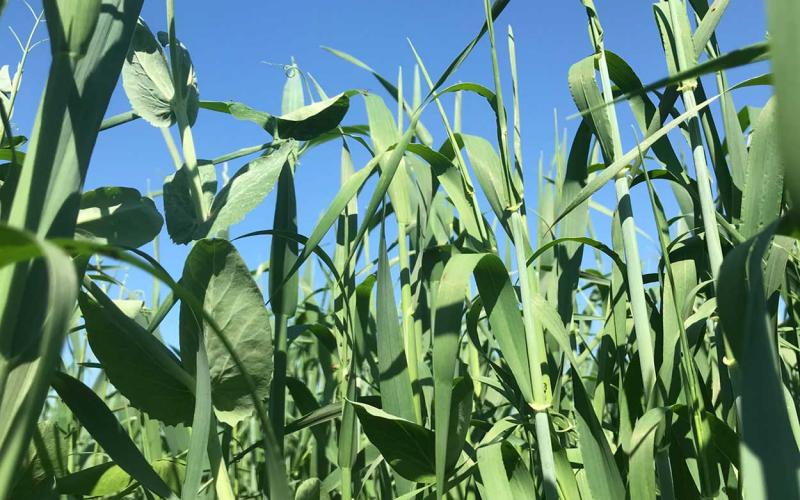
Cover Crop Considerations for 2020
Producers across South Dakota are harvesting small grains. These crops provide an excellent window for adding a cover crop into your rotation.
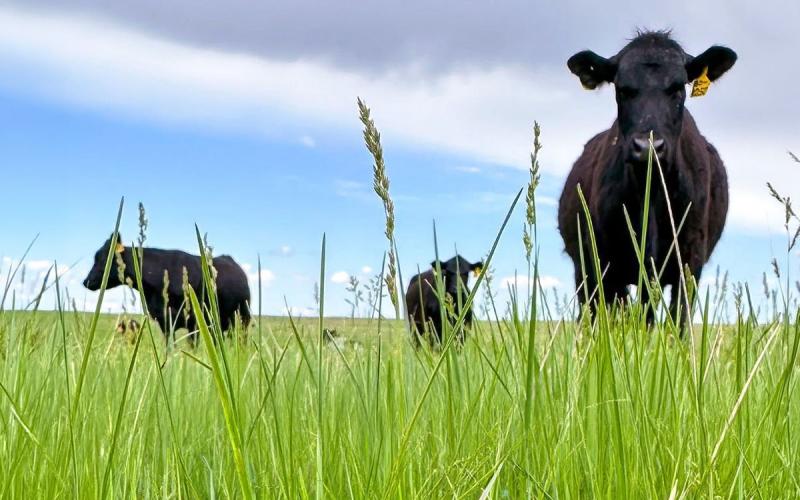
Conservation, Grazing, and Forage Situation
This report summarizes recent trends in the Conservation Reserve Program (CRP), harvested hay acreage, and grazing capacity in the United States and South Dakota. The purpose is to give a current picture of conservation enrollment and forage supply.

South Dakota 4-H Launches Outdoor OWLS Program
April 29, 2021
South Dakota State University Extension and South Dakota 4-H have unveiled a brand new, yearlong program for youth interested in outdoor education and natural resources.