Search
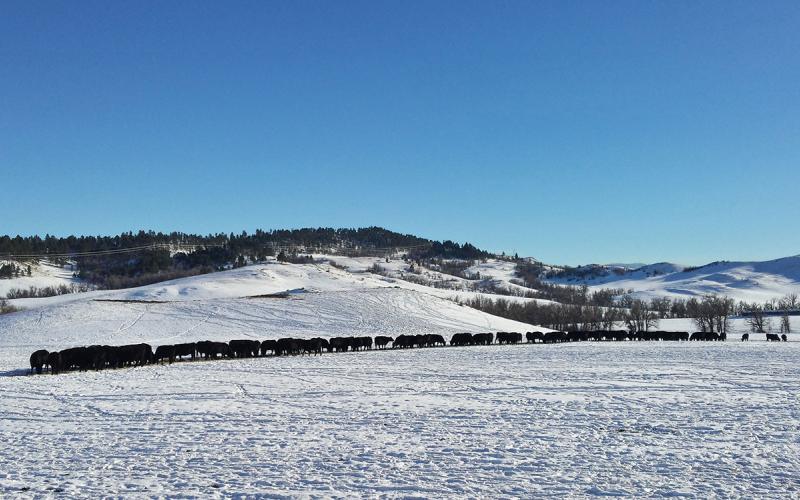
Swath/Bale Grazing
Swath grazing and bale grazing are harvest systems that mesh haying and grazing techniques. Generally, the objective is to reduce labor and equipment expenses by allowing livestock to consume the hay crop in the field.
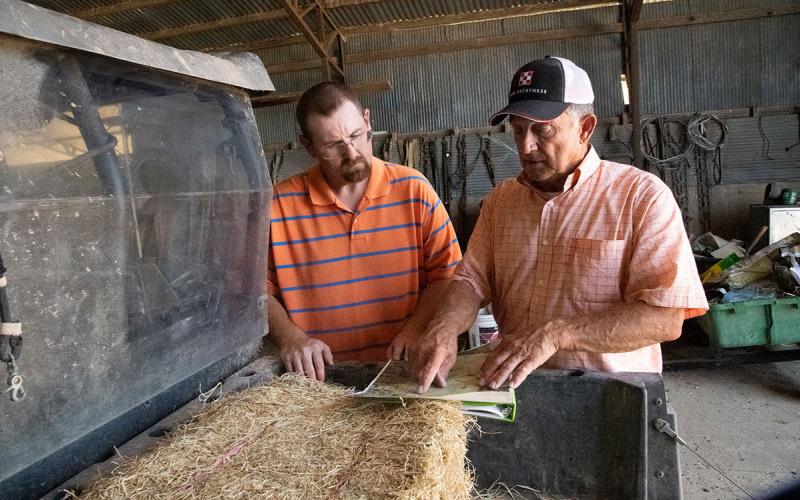
Hay Harvest Contracting
For those landowners who typically lease or harvest grasslands for hay, contracting for services is a learned business that can have local variations in how the grass and associated services are valued.
SDSU Extension Hosts First South Dakota Watershed Academy
SDSU Extension recently hosted the South Dakota Watershed Academy at the Oak Lake Field Station. The workshop was designed and organized in consultation with USDA Natural Resources Conservation Service to provide information on water resources regulation and monitoring.
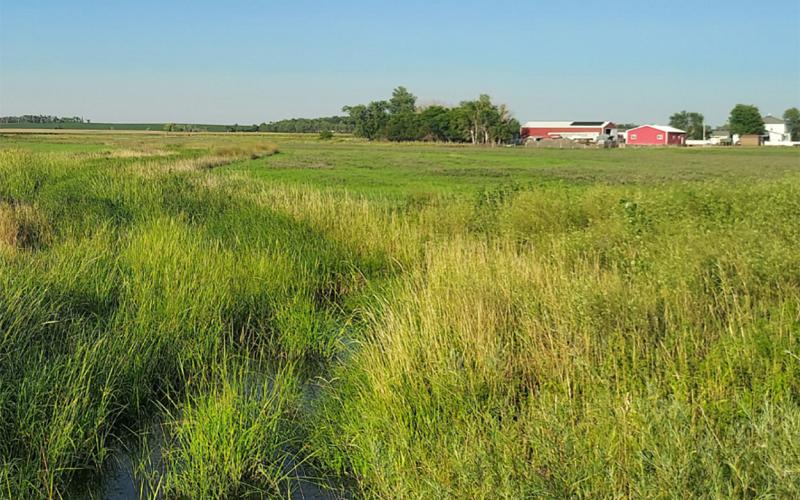
2023 Marks the 10-Year Anniversary of the Seasonal Riparian Area Management Program
The Seasonal Riparian Area Management program has partnered with landowners to maintain healthy riparian areas to address common water resource concerns and improve water quality in streams, rivers, and lakes within the Big Sioux River watershed.
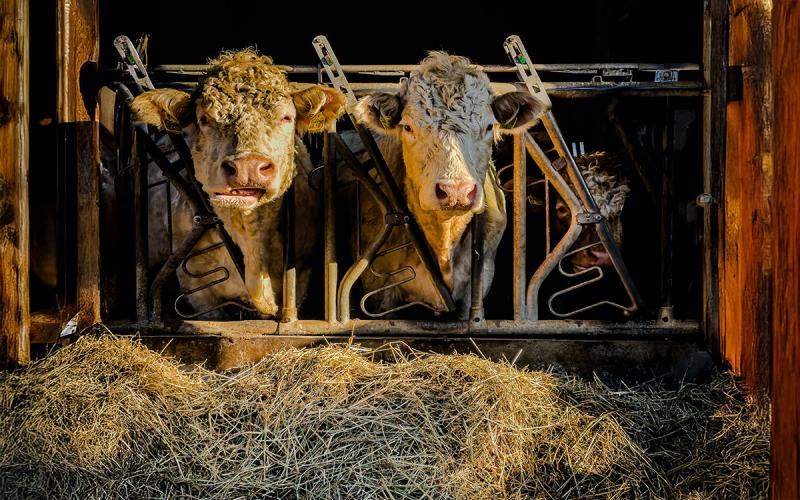
Feed Management for Efficient U.S. Livestock Systems: Introducing the National Animal Nutrition Program’s Feed Management Committee
The National Animal Nutrition Program’s Feed Management Committee brings together experts in animal science, nutrition, and natural resource management to increase awareness and use of livestock feeding management and to address conservation needs.
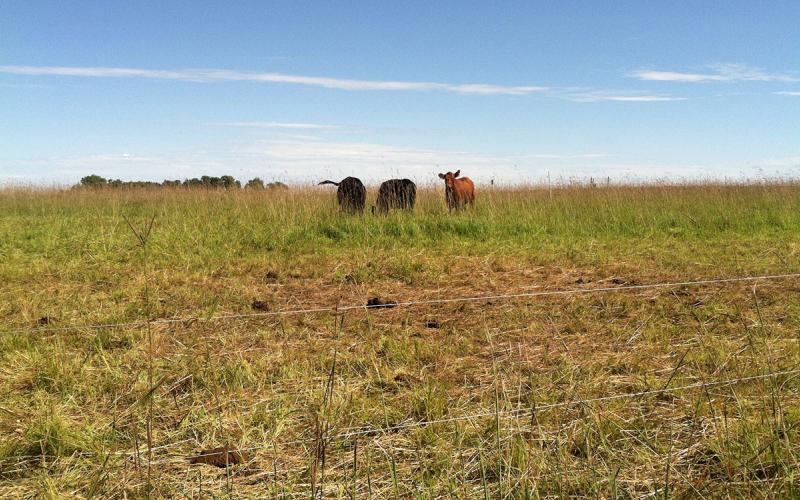
Connecting Nutrition and Conservation: The Importance of CPS 592
Conservation Practice Standard (CPS) 592 is a practical feed management framework that helps producers move toward greater profitability, accountability, and sustainability without sacrificing performance.
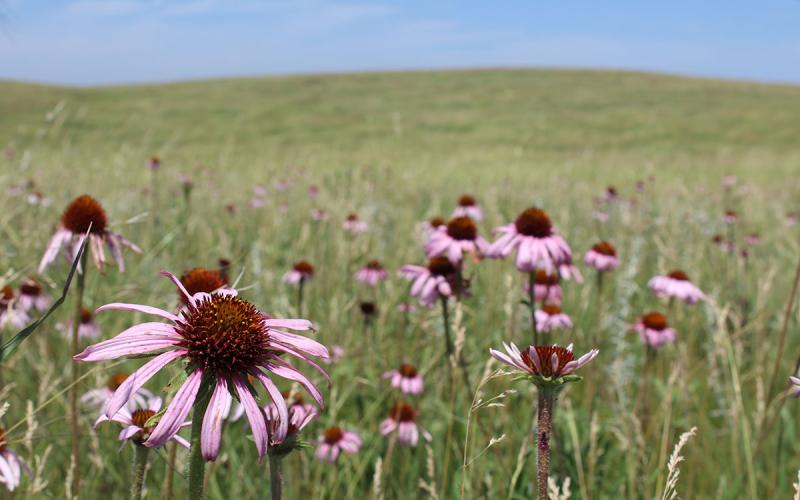
Five Frequently Asked Questions About Native Plants
The Native Plant Initiative works strengthen research, education, and Extension related to native plants in our region. As this work has grown, some common questions have emerged about incorporating native plants in landscapes throughout the state.
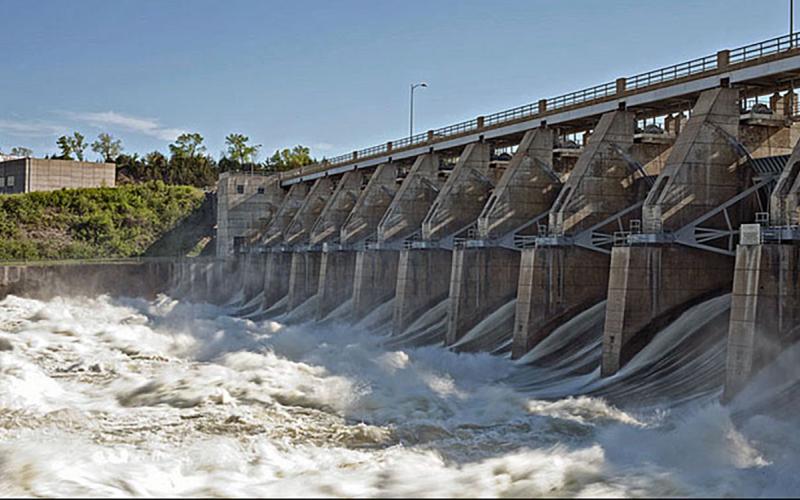
Where do floodwaters go and what do they leave behind?
Understanding the pathways and impacts of receding floodwaters is crucial for effective flood management and recovery efforts.
Grazing Contracting
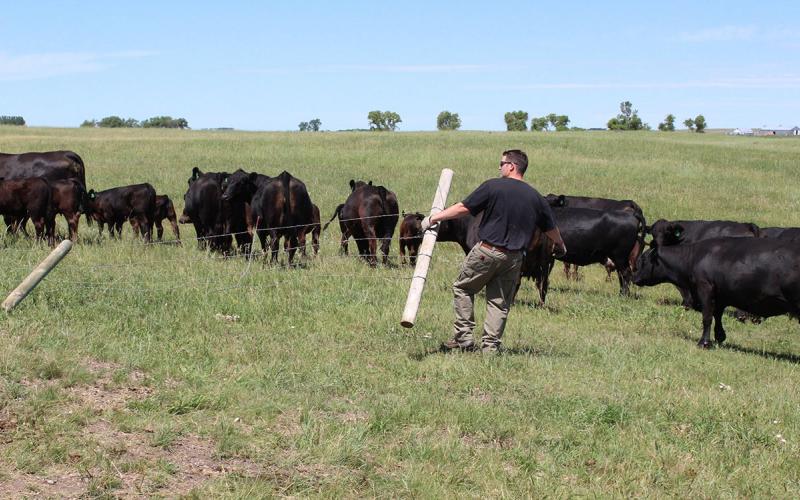
For those who own grasslands not typically grazed, or for those looking for a better contract basis, there are several grazing contract options that can be explored.

Native Plant Resources for South Dakota
As we continue to see the benefits of growing native plants in cultivated landscapes, finding the right plant for the right place requires the right resources. Learn about some available native plant sources, educational materials, and organizations serving our region.