Search
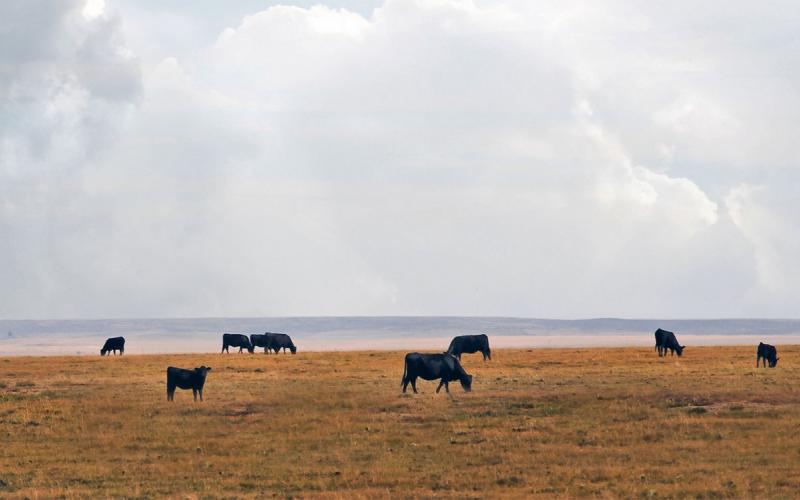
S.D. Producers’ Willingness To Adopt Patch Burn Grazing vs. Winter Patch Grazing
Patch-burn grazing and winter patch grazing are heterogenous rangeland management practices that aim to increase the variety of grass composition to benefit wildlife and maintain livestock production. To learn about producers’ desire to adopt these practices, we conducted an online survey between November 2019 and January 2020.
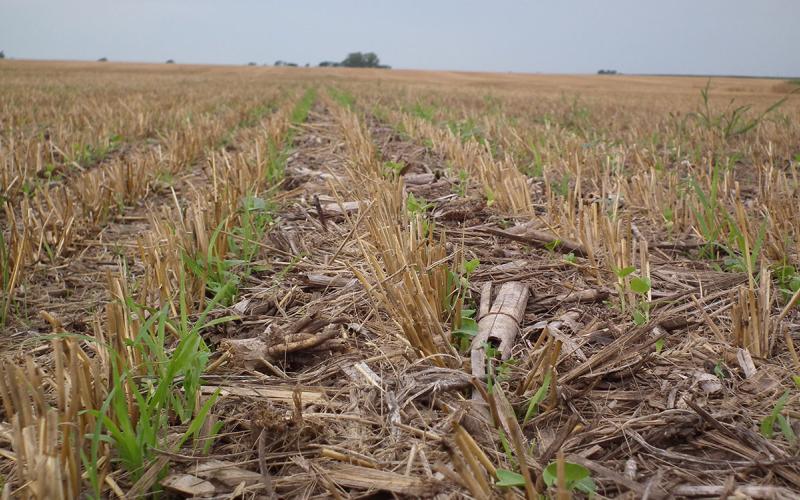
Soil Organic Matter Matters: How Conservation Practices Bring Value to Farmers
Conservation management practices, such as conservation tillage, cover crops, crop rotation and livestock integration, help improve soil health over time and offer producers numerous economic benefits.
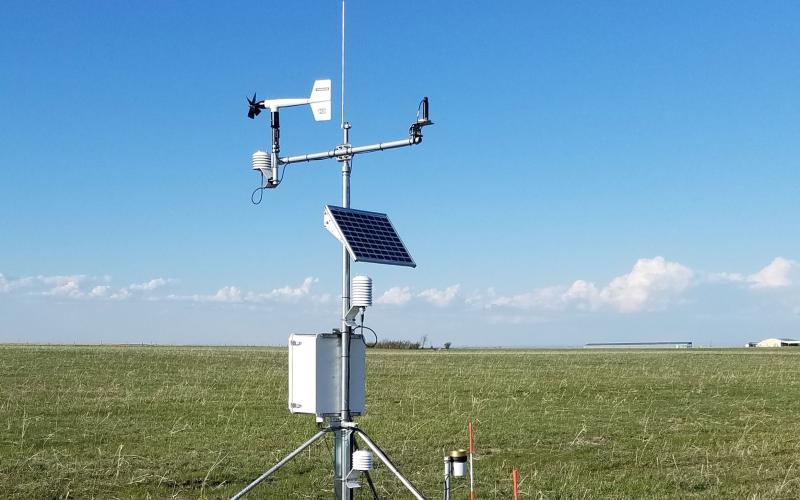
Climate and Weather
View resources to predict, prepare and recover from weather-related events year-round, including the latest drought and flood information.
Crop Tolerance to Soil Herbicide Residual
Some herbicides can persist in soil, especially dry soil. Herbicide carryover could be an issue in 2021 across the state depending upon last year’s moisture levels and field conditions.
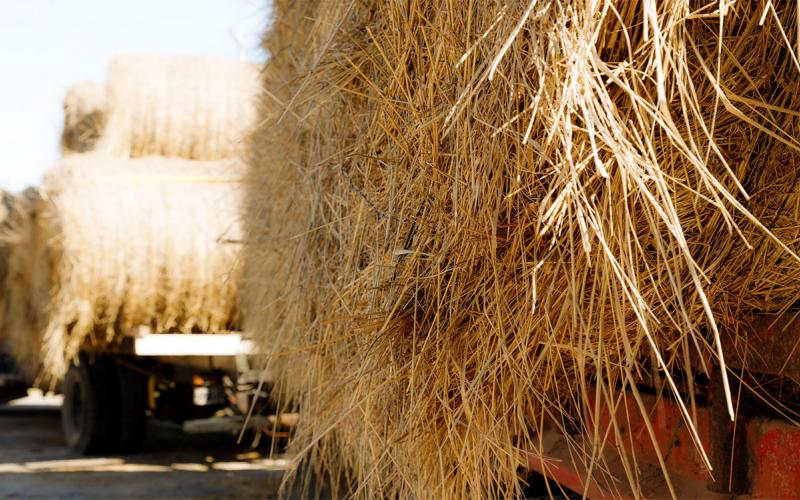
Haul the Feed or the Cows
Reduction in pasture forage availability may require producers to decide between hauling feed or hauling cows. Learn how to decide which option is best for your operation.
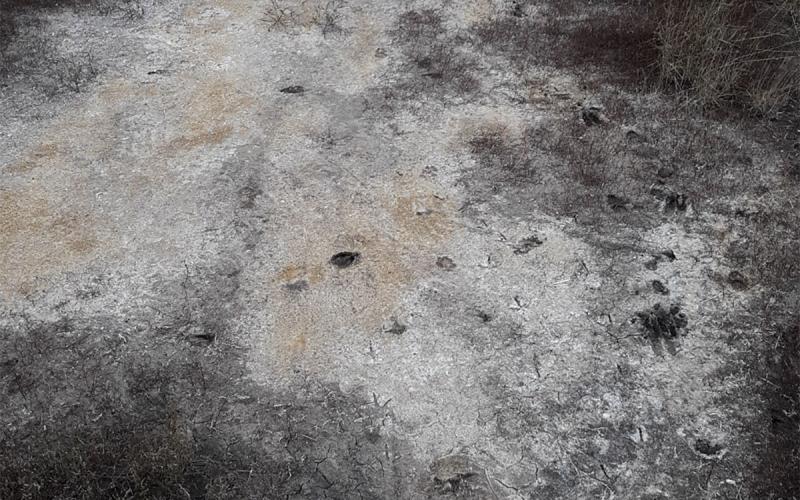
Soil Salinity, Sodicity, and Alkalinity in South Dakota Soils
Salinity and sodicity are issues that negatively affect crop production and soil health in South Dakota.
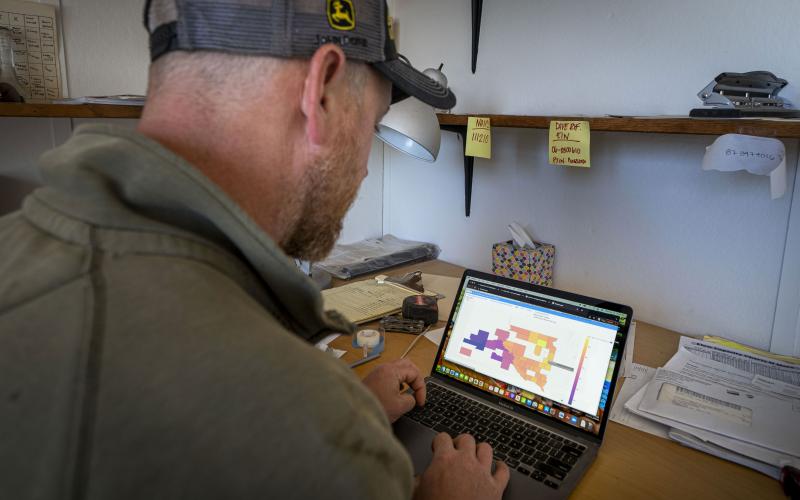
South Dakota Ag Land Income Tracker
The South Dakota Ag Land Income Tracker is designed to estimate and display changes to the annual revenue per acre derived from standard agricultural practices on an average, unimproved cropland acre in South Dakota counties.
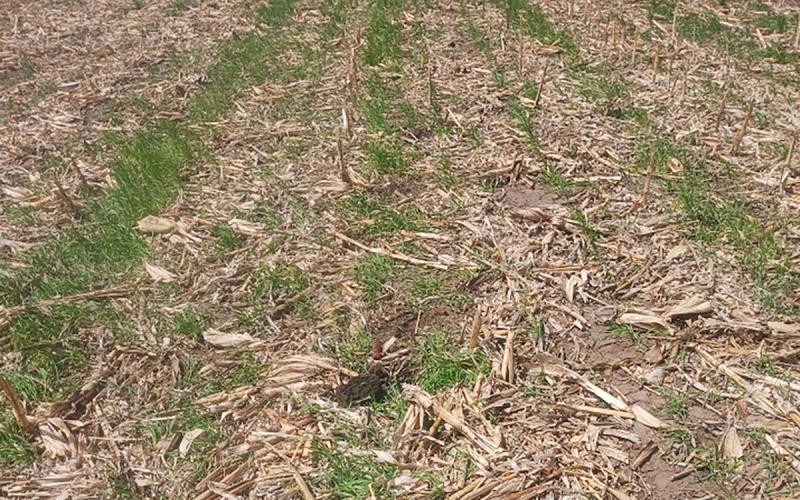
Effects of Different Cereal Rye and Winter Camelina Seeding Rates on Biomass Production and Soil Properties When Broadcast Seeded
Benefits to soil health generally increase as cover crop biomass production increases. Recent research sought to determine how the seeding rate of two cover crop species and mixtures affected biomass production and some soil health indicators.
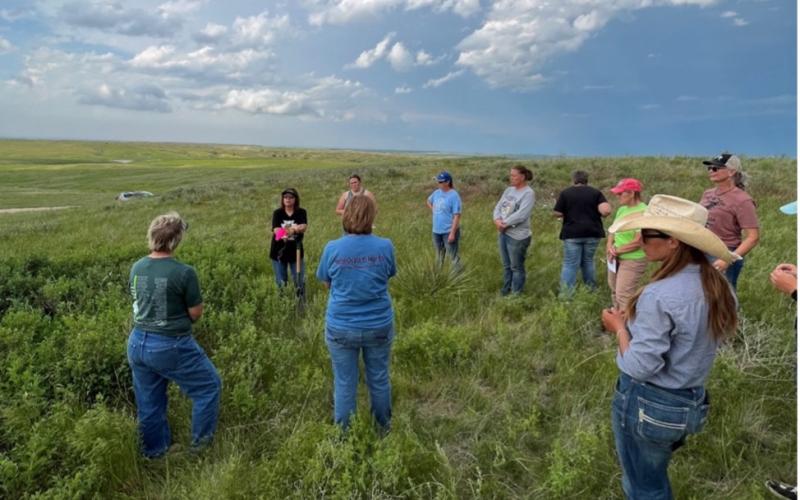
White River ‘Pasture Chat’ offers unique experience for women in agriculture
September 17, 2025
South Dakota State University Extension’s new “pasture chat” event provided a unique experience for women involved in agriculture in the White River region.
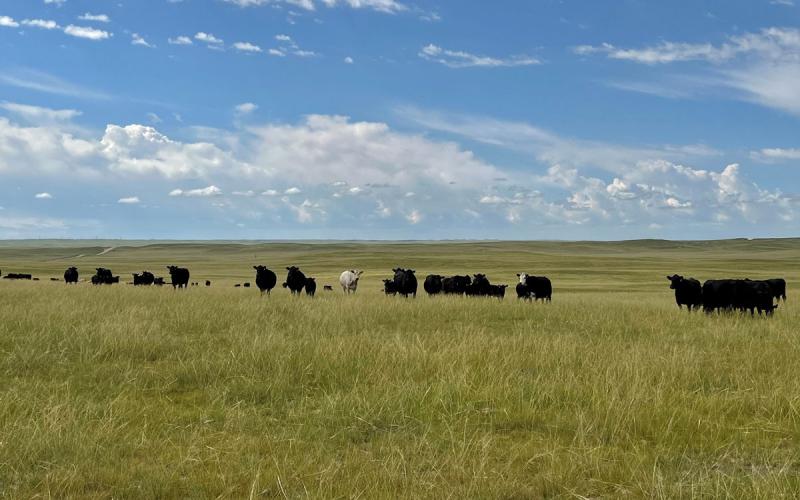
Spring Pasture Report: Should You Delay Turnout in 2026?
As spring 2026 begins, South Dakota and most of the High Plains region is starting out well behind the mark in the moisture category.