Search
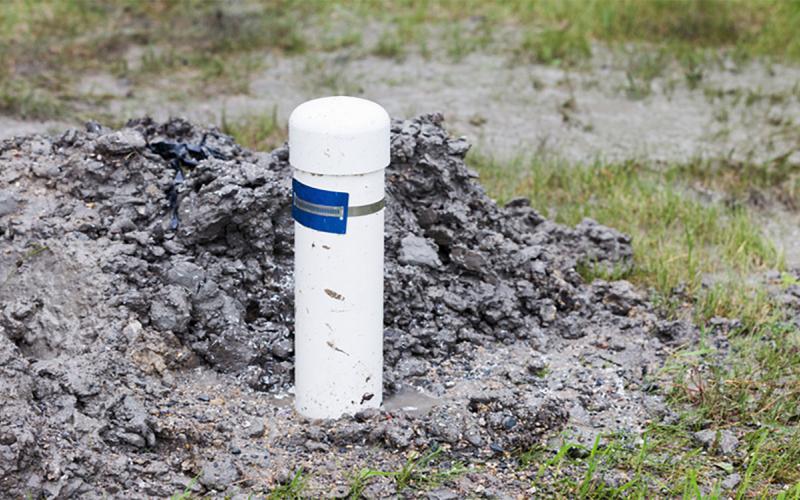
Restoring and Sampling Private Wells in South Dakota
In South Dakota, private well owners must take immediate and effective steps to restore their wells after a flood. This guide provides essential information on assessing, repairing, disinfecting, and sampling your well.
![A herd of cattle gather around a stock pond on a vast, lush grassland. Courtesy: USDA [CC BY 2.0]](/sites/default/files/styles/teaser_800x500/public/2019-05/W-00231-00-cattle-grazing-grassland-pasture-range.jpg?h=8f818b46&itok=6GS1_Ww0)
2017 Weed Control: Pasture and Range
There are 24 million acres of native and tame pasture and range as well as 1.4 million acres of grass hayland in South Dakota.
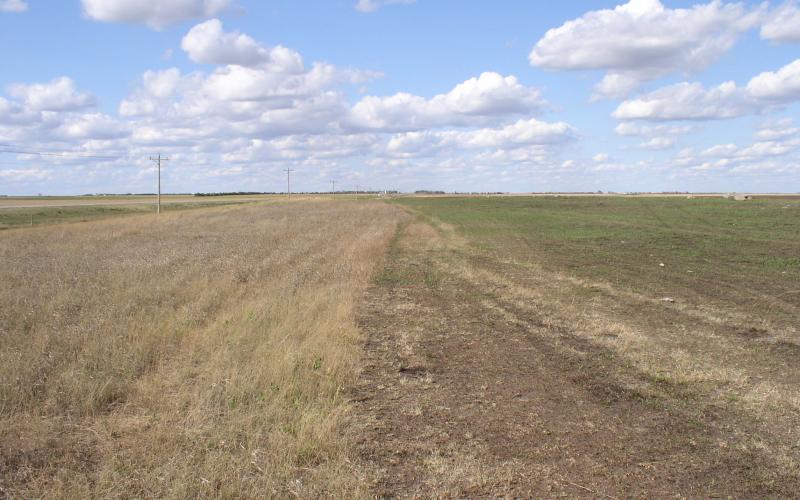
Management for Recovery of Rangeland After Wildfire
Because fire is a natural component of Northern Great Plains grassland ecosystems, prairie vegetation is very well adapted to recover following a fire.
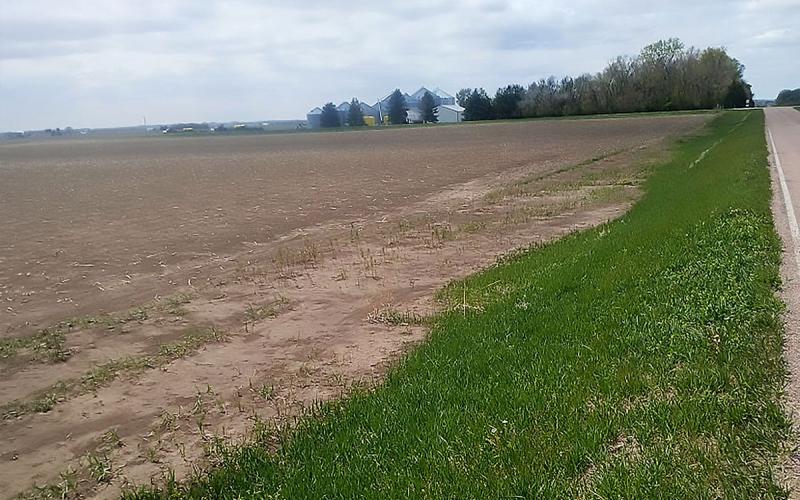
How to Maintain Soil Health During Dry Growing Conditions
Adopting soil health practices can help to reduce the loss of valuable topsoil by wind erosion during droughts. Learn how to manage your fields now or in the future to maintain soil health during periods of dry times.
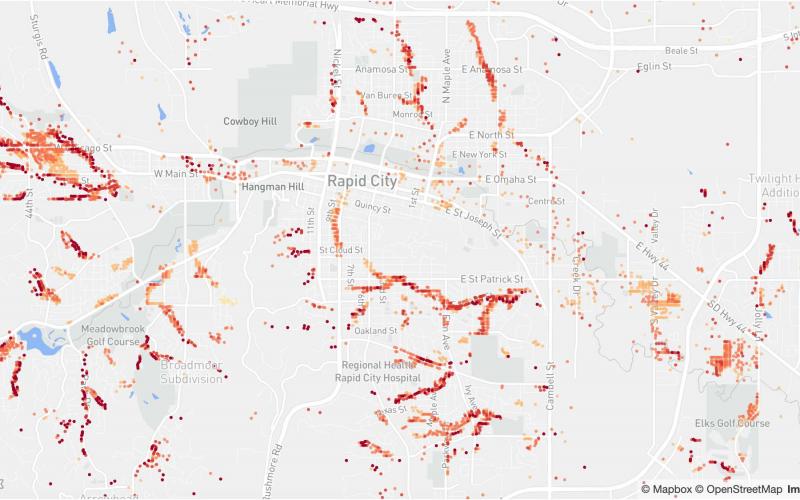
South Dakota’s Changing Flood Risk
South Dakota’s flood risk is increasing in some areas of the state according to a recent report from the First Street Foundation. In 2020, 62,600 total properties are at substantial risk, with a projected increase to 63,000 properties by 2050.
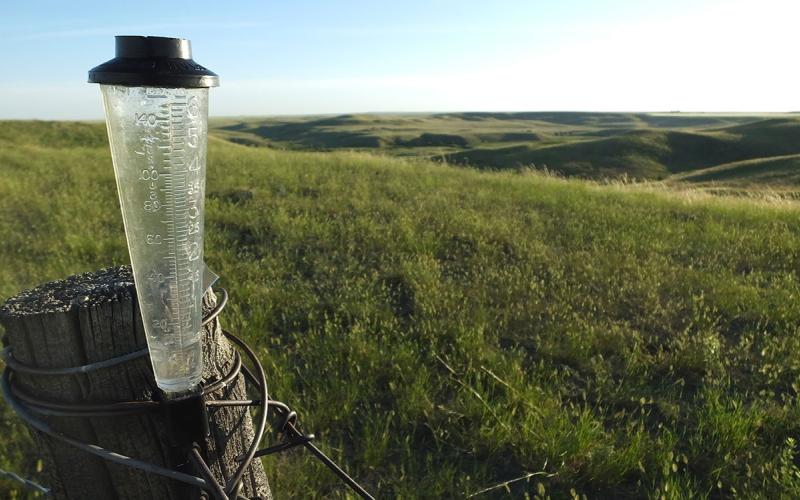
Five Range Management Principles: #5 Climate Ready
Understanding your ranching system is critical, and identifying anticipated soil-plant-animal responses during periods of dry, wet, or normal conditions will enable you to develop climate-ready practices. Learn how to get started today!
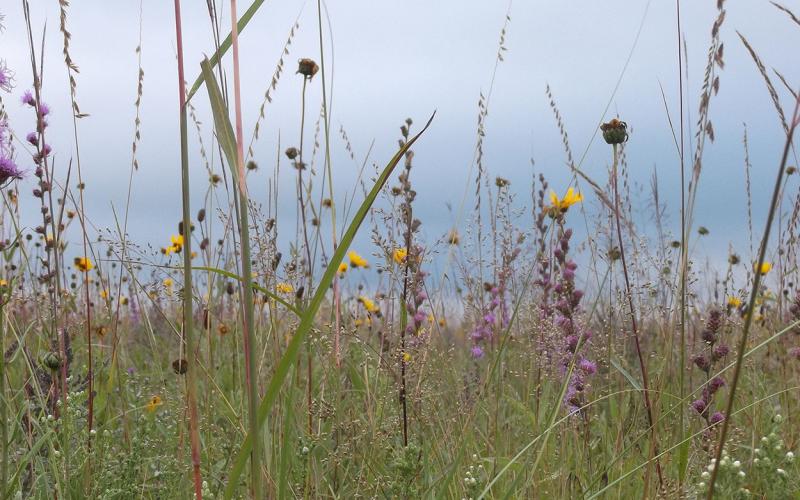
Partnerships Are Keys To Preventing Endangered Species Impacts
South Dakota’s farmers and ranchers have significant influence on the management of our state’s natural resources, especially grasslands and the species that inhabit them. These species remind us of the importance of natural resources management for the greater good.
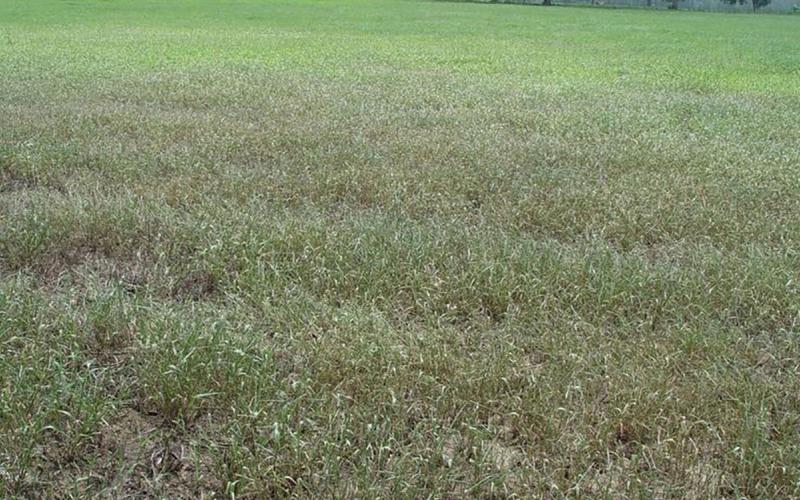
Fall Armyworm Caterpillars Causing Issues in South Dakota
This week we started to receive reports of pastures and alfalfa stands that have been heavily fed on by fall armyworm caterpillars. Typically, these pests are not an issue in South Dakota. However, populations have been very large in many states during 2021, and they have now moved into South Dakota.
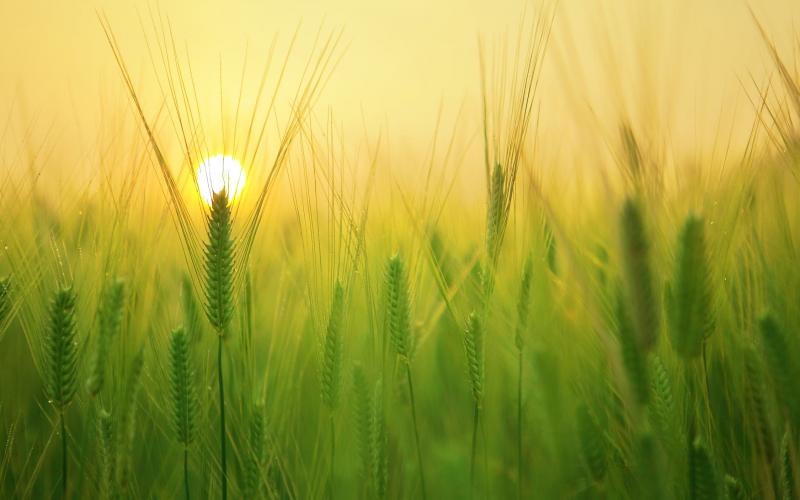
Water Use by Plant Stage
Over the growing season, solar radiation, air temperature and plant size are the dominant factors in determining evaporative demand and the rate of water use by wheat. Water use can vary dramatically on a day-to day basis, depending on climate and wheat health.
SDSU Extension to participate in seminar on protecting grasslands from cedar trees and other threats
December 31, 2025
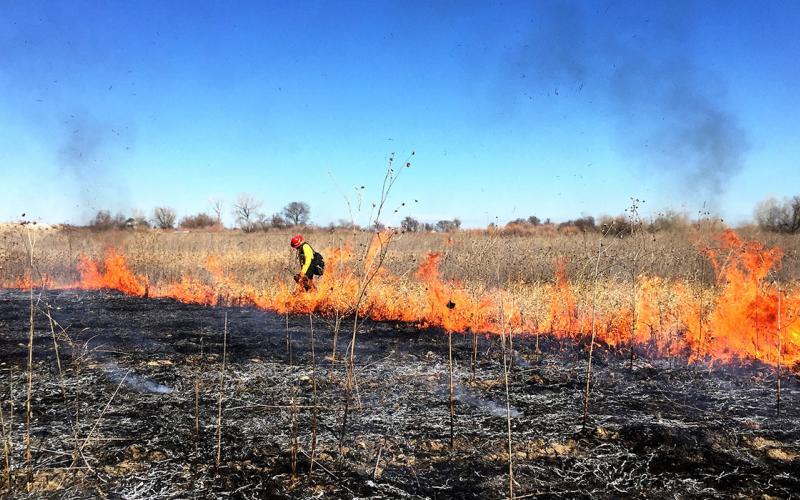
BROOKINGS, S.D. – South Dakota State University Extension will participate in a two-part series hosted by the SDSU Department of Natural Resource Management on protecting grasslands from cedar trees and other woody plants that are encroaching on this important ecosystem.