Search
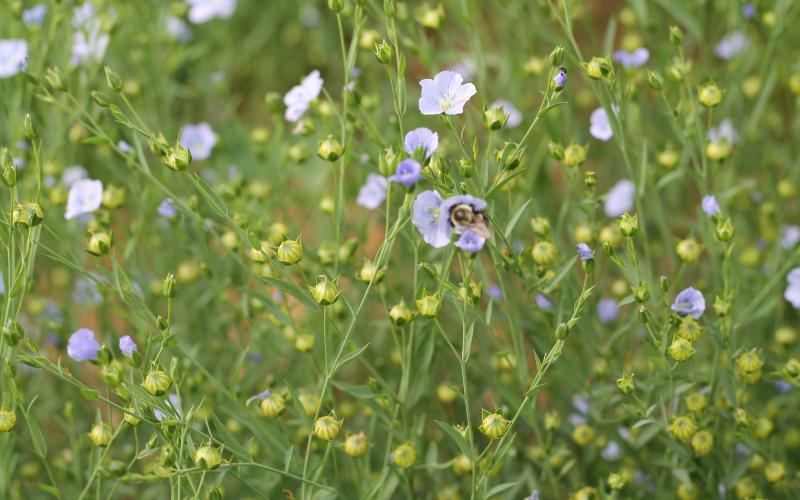
Herbicide Residual Effects on Cover Crops after Wheat
Fact sheet about herbicide residual effect on cover crops after wheat.
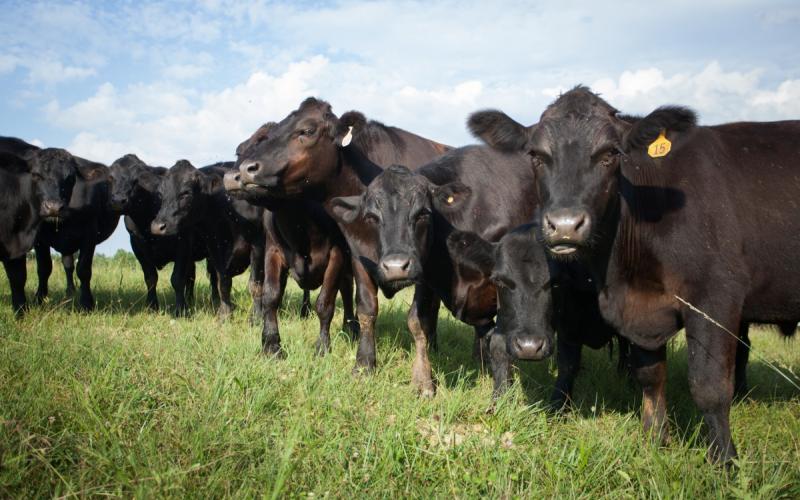
Basics of Body Condition Scoring (BCS)
Fact sheet about the basics of body condition scoring for cattle.
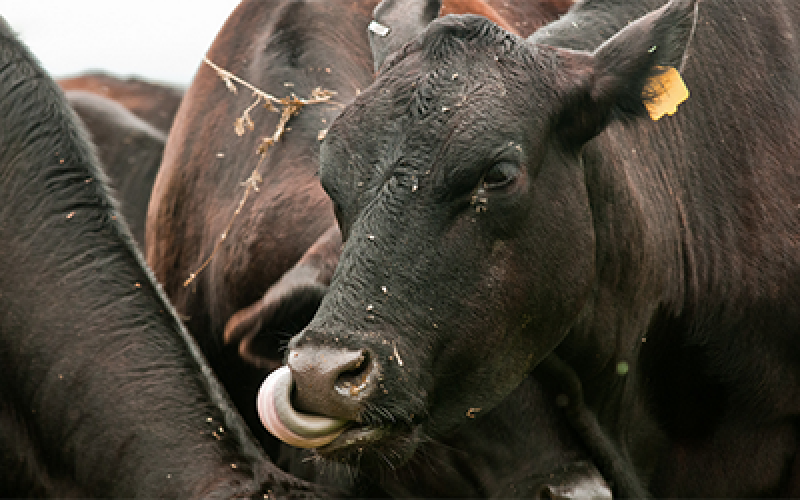
Influence of Body Condition on Reproductive Performance of Beef Cows
Fact sheet about understanding effects of body condition score on reproductive performance.
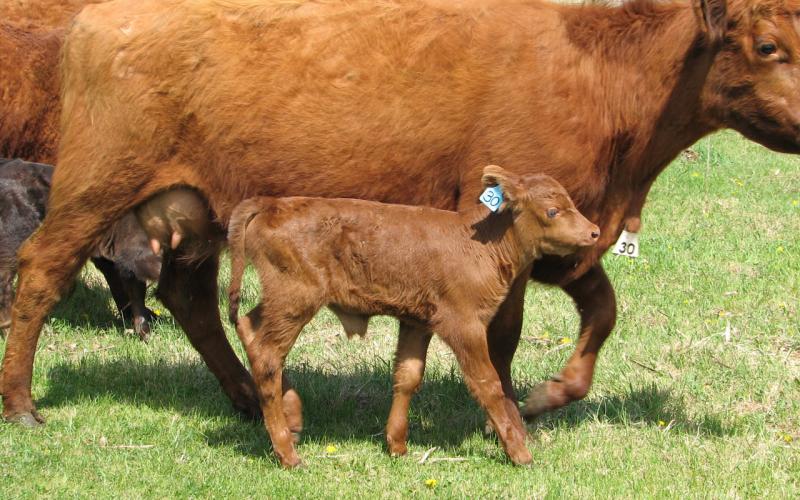
Effects of Shipping and Heat Stress on Embryonic Mortality in Cattle
Fact sheets on the effect of shipping and heat stress on embryonic mortality in cattle.
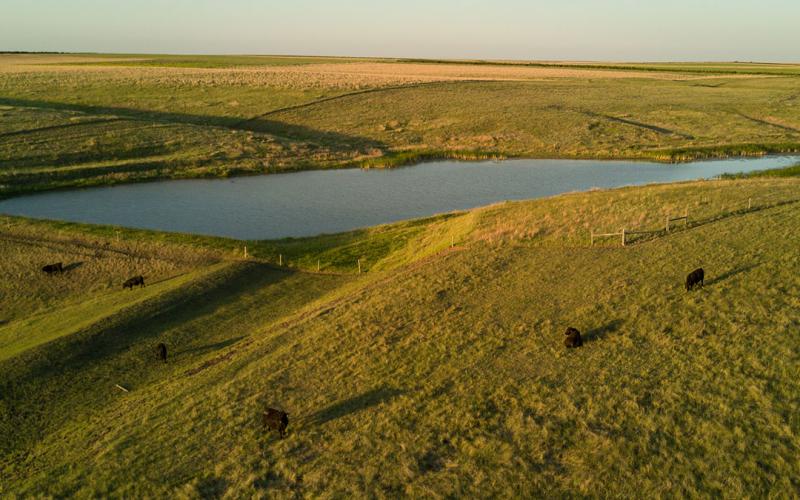
Grazing Calculator
The SDSU Extension Grazing Calculator eliminates the guesswork and mess associated with doing calculations by hand. It requires a few inputs on your end, and you will be able to save a downloadable Excel file for your record keeping.

SDSU Extension Professionals Honored for Accomplishments
November 10, 2020
SDSU Extension professionals were recognized for a variety of achievements at the annual Fall Conference held virtually October 28-29.
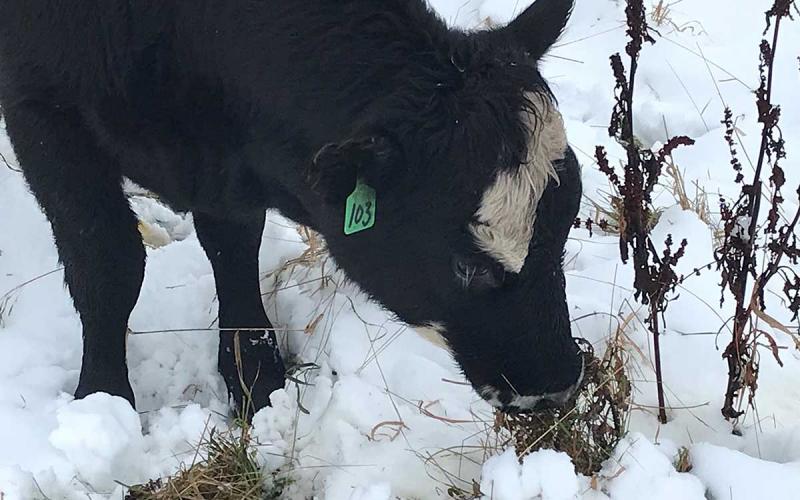
Plan Now to Control Weeds With Grazing Next Season
Livestock will graze Canada goldenrod, Canada thistle and perennial sow thistle. At certain times of the year, these plants have crude protein, total digestible nutrients, and invitro dry matter digestibility concentrations similar to alfalfa and other common forages.
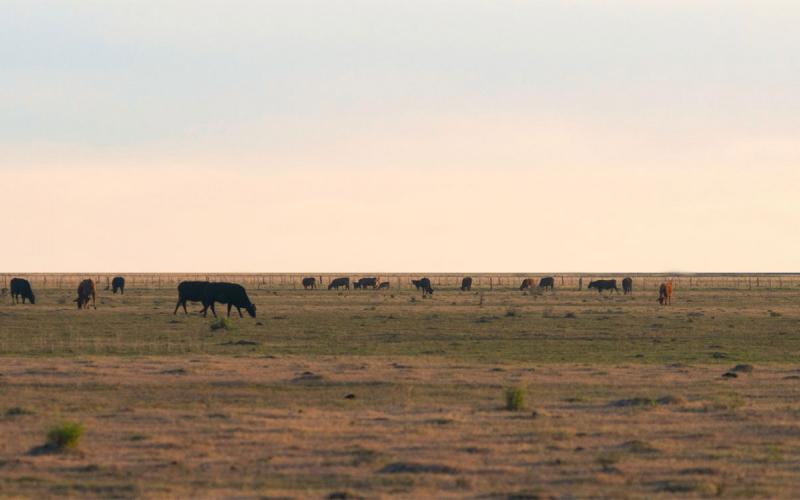
Producer Views on Patch Burn Grazing vs. Winter Patch Grazing in S.D.
Traditional rangeland management promotes uniform forage utilization, yet causes detrimental effects on the richness of plant species and wildlife habitat. Therefore, management practices that increase heterogeneity in vegetation play an important role in developing habitat types and preserving grassland wildlife species.
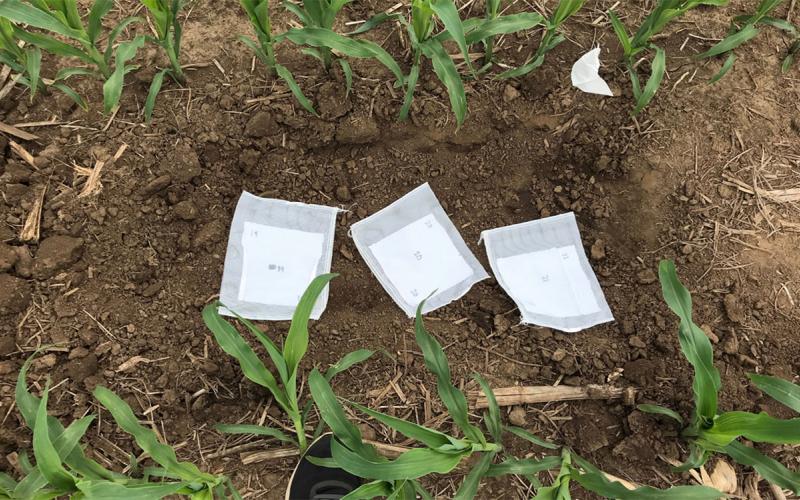
Cotton Strip Soil Test: Rapid Assessment of Soil Microbial Activity in the Field
Soil has always been considered as a living system due to its biological components: fungi, bacteria and plant roots. Under several ongoing research projects, we started researching how we can use ‘cotton strip assay’ to compare different cover crop mixes to optimize field soil activity and build up better soil health.
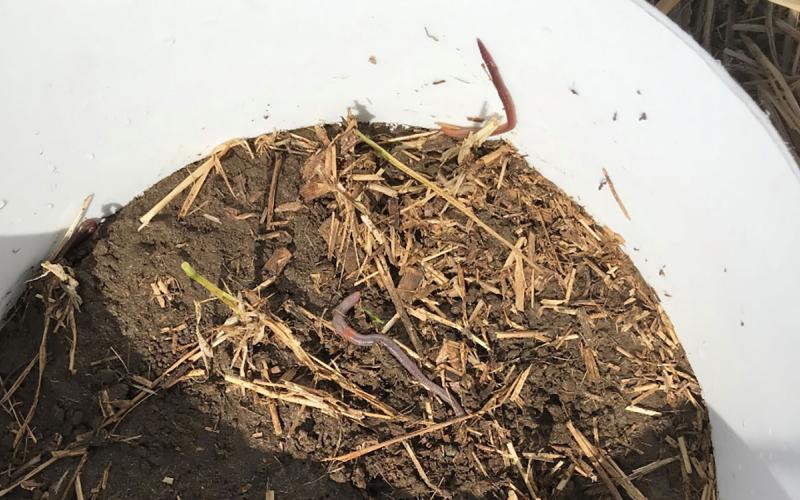
How’s Life in the Soil? Ask (Count) the Earthworms.
Earthworms are ‘very special’ creatures on earth, and their contribution in soil nutrient cycling and fertility management has been acknowledged from the beginning of agriculture. So, the question needs to be asked, how can we help improve earthworm populations?