Search
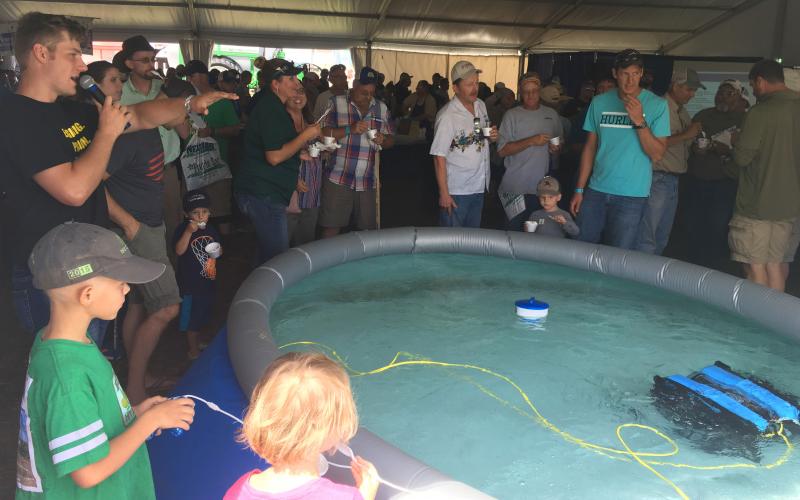
Underwater Drone Draws Crowds at Dakotafest
A new project being developed by faculty and staff from the SDSU Department of Agricultural & Biosystems Engineering (ABE) was recently unveiled during the 2019 Dakotafest Farm Show in Mitchell, South Dakota on August 20–22.
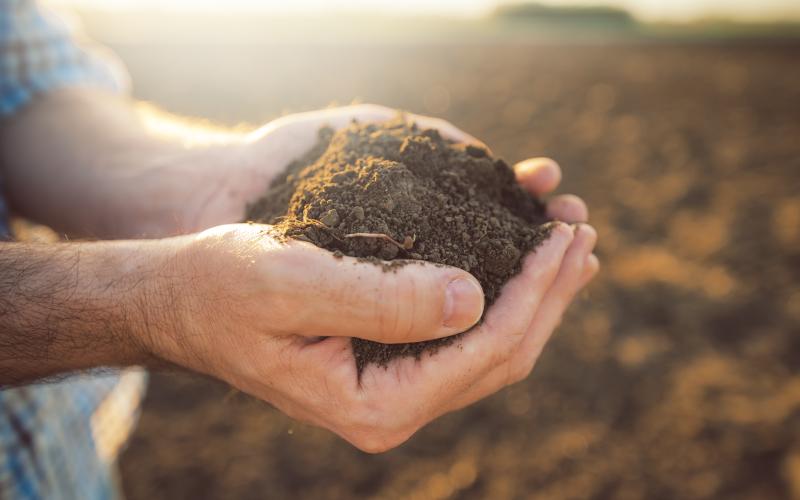
Recommended Soil Sampling Methods and Instructions
Proper collection of soil samples is extremely important as the accuracy of the soil test depends on the quality of the soil sample provided to the lab.
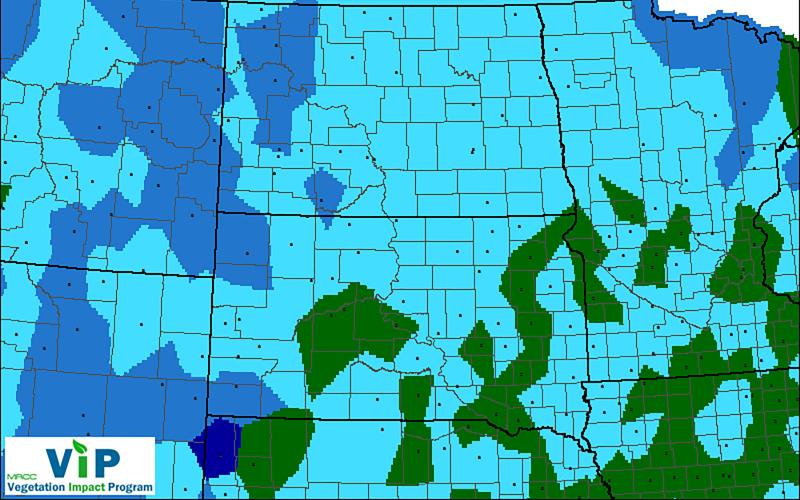
Fall Frost and September Climate Outlook for 2019
This year’s struggles with weather and climate are continuing this fall. Late planting of corn and soybeans in the spring have now combined with near average or cooler than average summertime temperatures. This combination has led to slow crop growth and the need for an extended frost-free season to ensure these crops reach maturity.
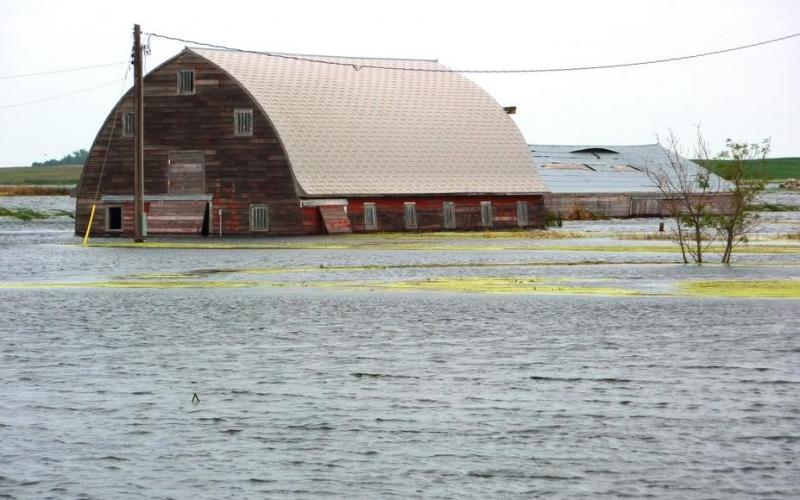
Flood
View resources to prepare for and recover from flood situations.
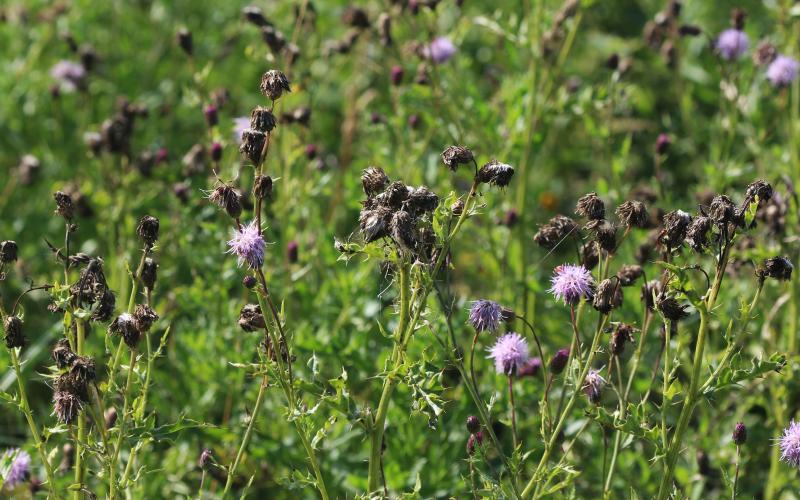
Fall Noxious Weed Control
Fall weed control can give the best weed control, but it also can be a poor time. If the noxious weeds were sprayed or clipped earlier this summer, and there is good weed growth now, this would be an excellent time to spray these weeds and get a good kill.

Bike Safety
View information about the benefits of biking and how to ride safely.
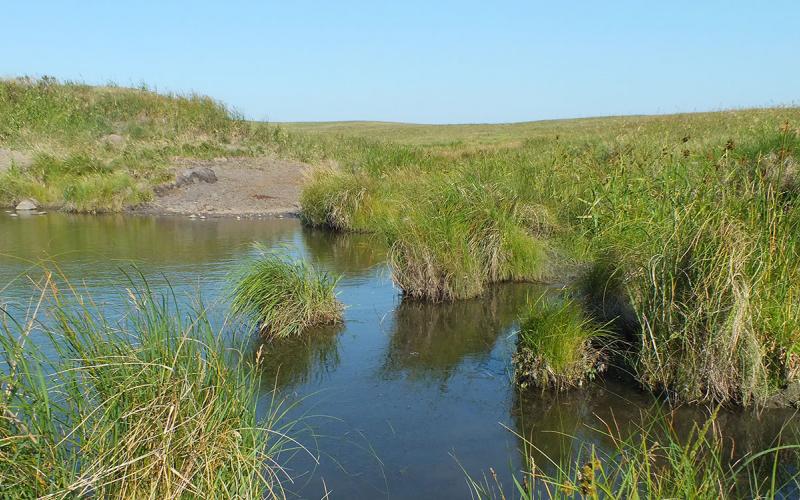
Private Property vs. Public Access: Managing Non-Meandering Waters in South Dakota's Prairie Pothole Region
Fact sheet on managing non-meandering waters in South Dakota's prairie pothole region.
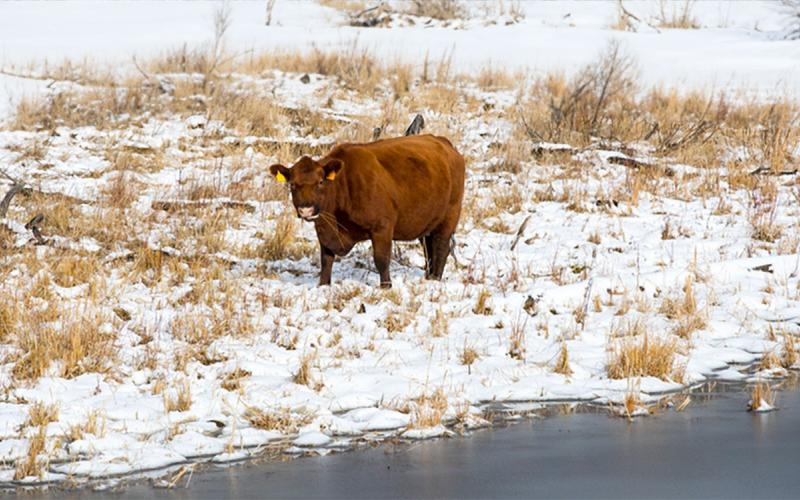
Icebreakers: Winter Water Supply
Cold weather creates a challenge for producers who house their herds in areas where there are limited water resources and available natural water sources may be frozen over.
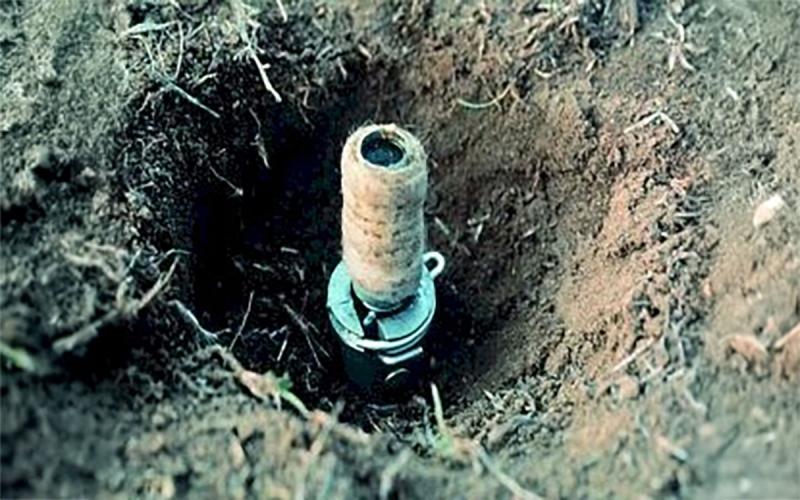
Private Applicator Endorsements for M-44 Devices, Fumigants, and Aerial Applications
Recent changes to South Dakota private applicator pesticide regulations have impacted the requirements to use M-44 predator-control devices, fumigants, and to apply pesticides from aerial vehicles.
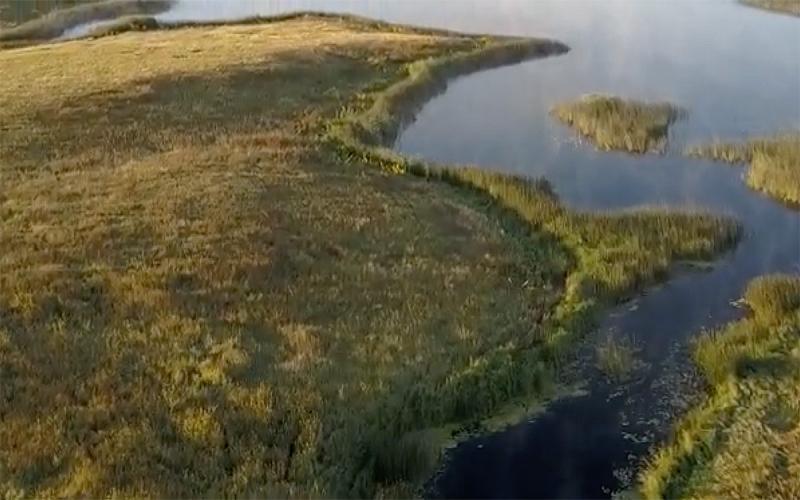
Prairie Pothole Wetlands: Small Basins, Big Impact
The benefits of prairie wetlands extend far beyond wildlife. These wetlands filter pollutants and excess nutrients from agricultural and urban runoff, trap sediment, recharge groundwater, and store floodwater.