Search

Yellow Sweet Clover: Information and Management
Sweet clover is an opportunistic plant that is going to be abundant in pastures and hay fields when growing conditions are favorable, ideally for two consecutive years. Although it can cause problems, it is valuable to wildlife and pollinators and is a nutritious forage source.
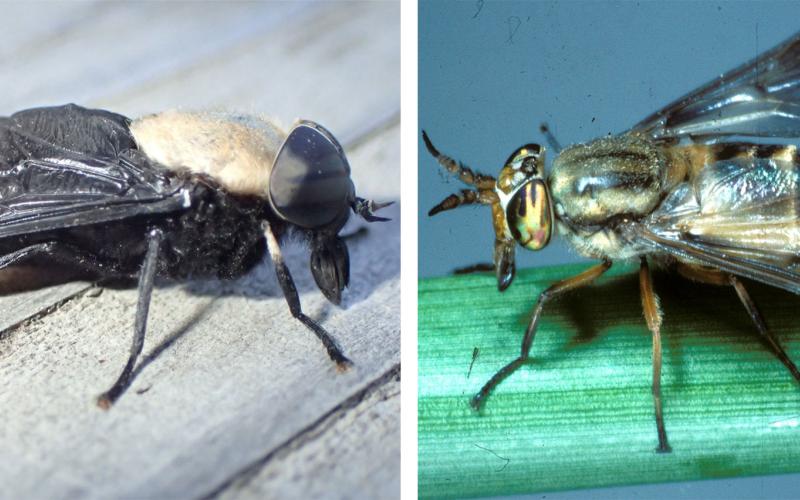
Horse Flies and Deer Flies Becoming Abundant
The above-average precipitation this year has led to increased numbers of horse flies and deer flies across South Dakota. Widespread flooding and an overall abundance of available water has made conditions perfect for these flies.
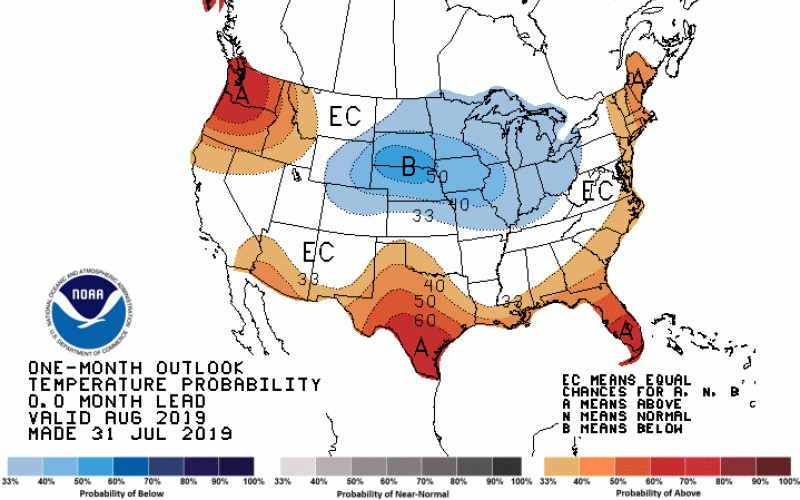
August 2019 Climate Outlook: Cool and Wet
According to the latest climate outlook update, odds are favoring that August 2019 will be cooler than average. The update was released by NOAA’s Climate Prediction Center on July 31, 2019.
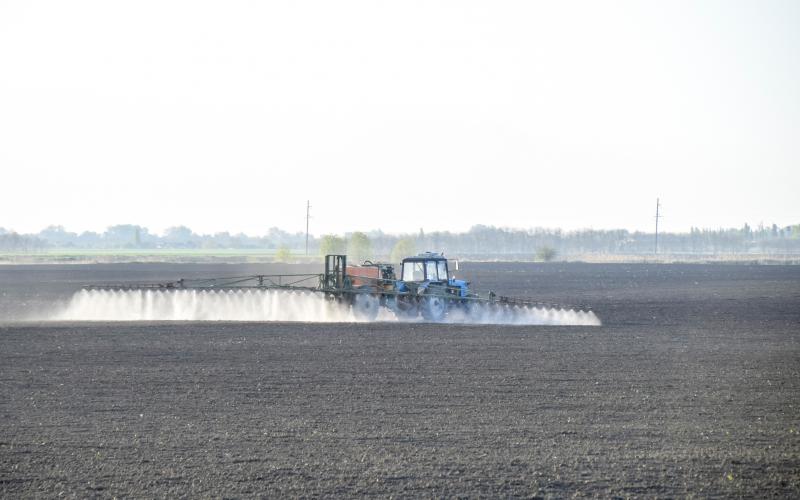
Herbicide Rotation Restrictions
This is a quick reference guide to common herbicides and their rotation restrictions for selected crops.
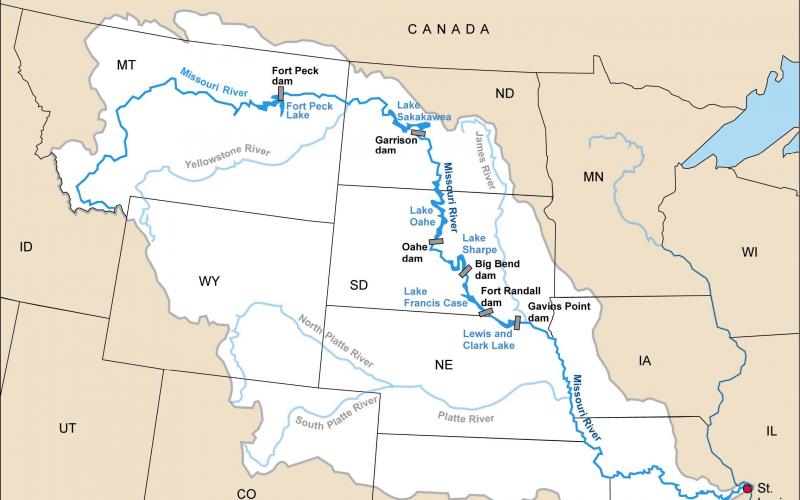
Zebra Mussels Impacting Missouri River Reservoir System
In July 2019, South Dakota Game, Fish & Parks officials confirmed of presence of zebra mussels in Lake Sharpe near Fort Thompson after U.S. Army Corps of Engineers staff initially discovered them while performing inspections on Big Bend Dam.
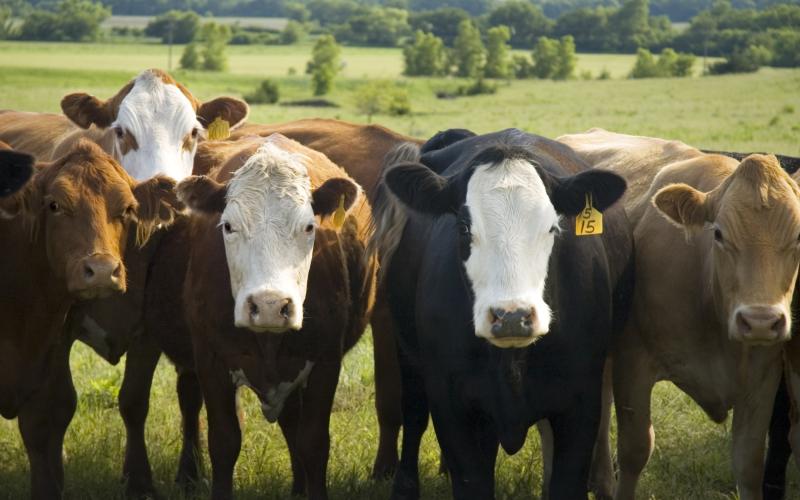
Using Estrous Synchronization in Natural-Service Breeding Situations
Estrous synchronization is typically associated with artificial insemination (AI) programs, and is therefore often viewed as impractical or impossible to use within natural-service herds.
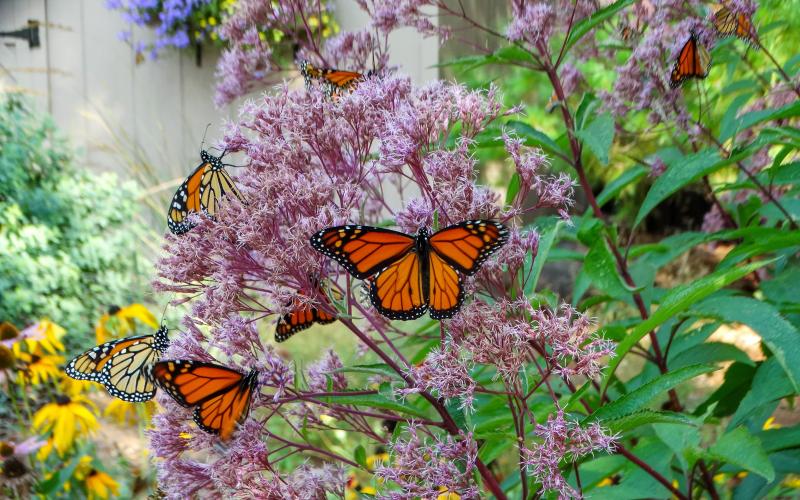
An identification guide to Native Pollinator Plants of South Dakota for Managed Landscapes
A guide of Native Pollinator Plants in South Dakota.

An identification guide to Common Stem Diseases of Sunflower in South Dakota
A guide of common stem diseases in sunflowers in South Dakota

Lady Beetles of South Dakota
A guide for monitoring, properly identify, and promoting the growth of lady beetles.
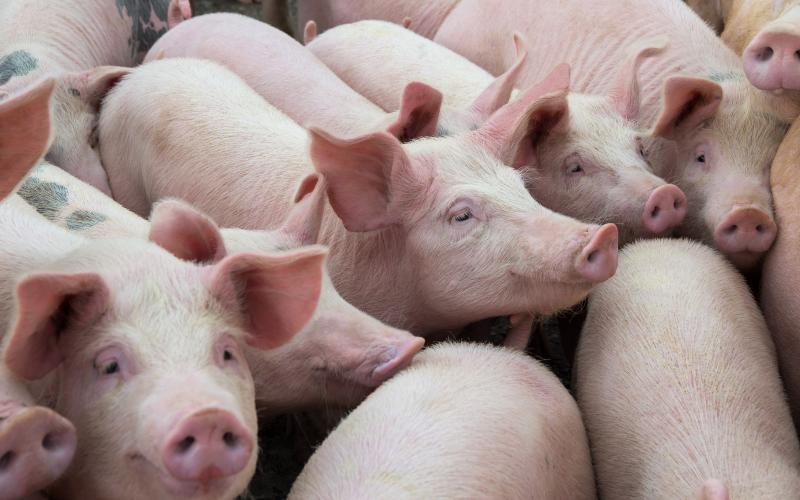
Utilizing Weather-Stressed Corn in Swine Diets
The goals of this factsheet are to help pork producers better understand the nutritional value of weather-stressed corn, how to determine if it’s economical to use, the potential of mycotoxin contamination, and how changes in bulk density affect feed mixing and transportation.