Search
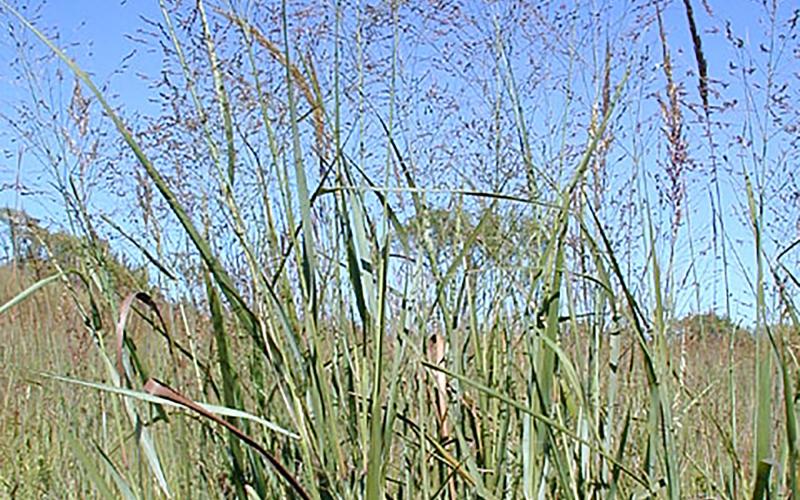
Farm Practices That Improve Soil Health: Planting Switchgrass on Marginal Lands
Switchgrass (Panicum virgatum) is a tall, native, prairie grass that is often seeded on marginal lands in South Dakota. It has gained growing popularity over the past decade not only as a source of biofuel and feed, but also as a method to improve soil properties.
![A green tractor planting seeds in a no-till field. Courtesy: United Soybean Board [CC BY 2.0] via Flickr](/sites/default/files/styles/teaser_800x500/public/2019-10/W-00433-00-no-till-planting-soybeans-field.jpg?h=b2774bcf&itok=4KjGmXKP)
Farm Practices That Improve Soil Health: Crop Rotations and No-Till
Implementing crop rotations and no-till practices are common suggestions to reduce erosion, control pests, and improve yields. These practices can also improve soil health through an increase in soil carbon levels.
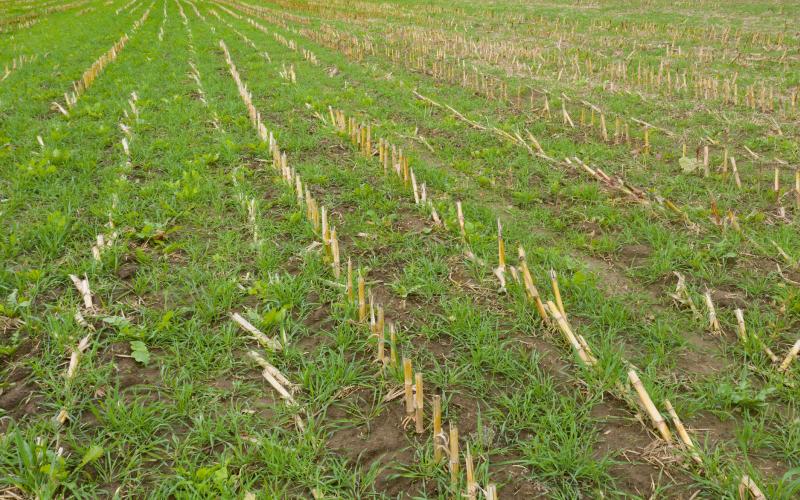
Utilizing Cover Crops for Grazing: An Assessment on Economic Benefits
Grazing cover crops by cattle provides an option to offset cover crop seed costs and increase farm revenue. To facilitate farmers’ decision making, this article will evaluate the economic profitability from grazing cattle on cover crops using a partial budgeting approach.

Personal Financial Management During a Health Crisis
A health crisis can have both immediate and long-term impacts on our personal financial management. Take these steps to get control of your finances during a health crisis.
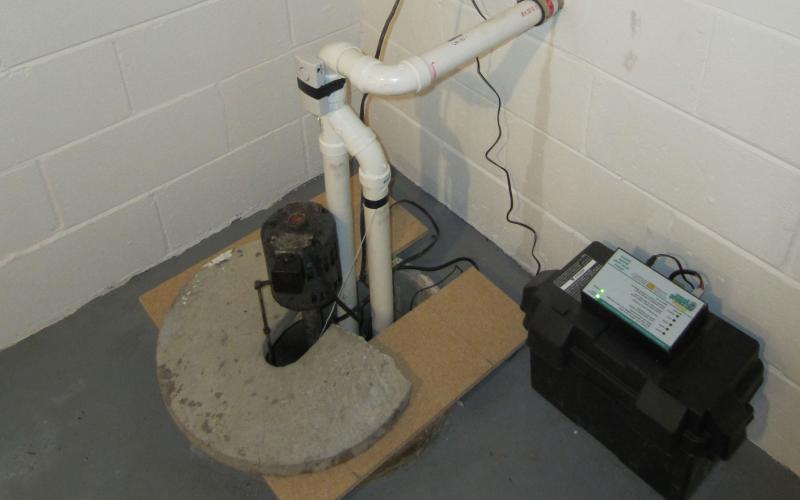
Flooding and Sump Pumps
For many homes with a basement or crawl space, a sump pump and drainage system can help reduce the risk of a basement flooding from high water table situations. Here are a few tips for making sure your sump pump is working as it should, and you are not causing problems for your neighbors downstream.
SDSU Extension Continues Outreach Efforts During COVID-19 Pandemic
April 03, 2020
While offices throughout the state are closed, SDSU Extension experts remain available remotely and encourage the public to reach out to them via email or by phone.

What to Do If You’ve Lost Your Health Insurance
Losing health insurance can be scary, and your well-being depends on taking the proper steps to protect your family. Learn about some coverage options to consider if you've recently lost your health insurance.

End of Life Documents You Should Have in Place
COVID-19 infection and mortality rates fill the news programs. Across South Dakota and the nation, people are have made changes to their lifestyle and the way they accomplish many everyday activities. In response to this illness and the potential for long-term hospitalization and even death, individuals over 18 should also ensure their end of life documents are up-to-date.

Personal Finance Lessons for Teachers and Parents
Personal finance knowledge and skills develop throughout each person’s lifetime. A number of free resources are available to assist parents and teachers in developing youth financial skills.
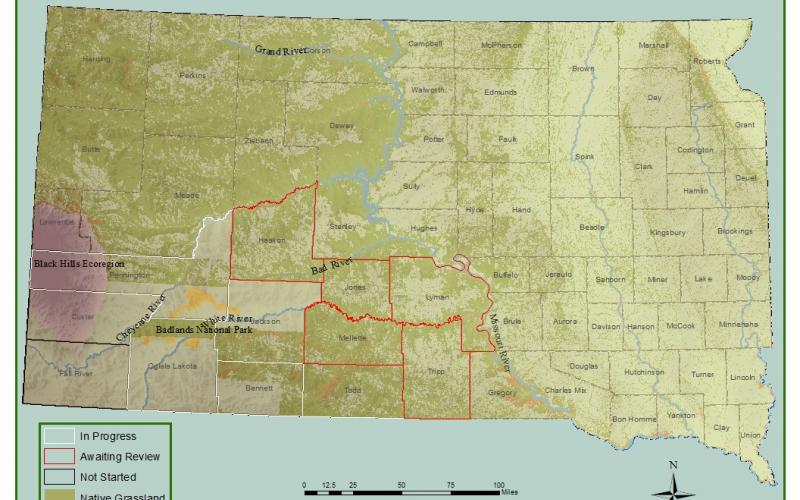
SDSU Extension Receives National Fish and Wildlife Foundation Award for South Dakota Native Habitats Study
December 21, 2020
An SDSU Extension native habitats research project recently received a National Fish and Wildlife Foundation award to support an ongoing effort to identify native habitats in South Dakota.