Search
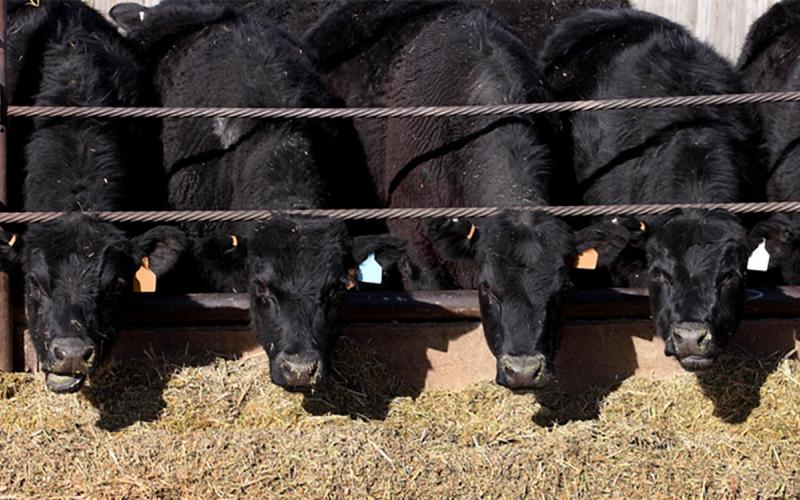
Healthy Guts Make Healthy Cattle
Feed additives, including probiotics, prebiotics, and postbiotics, can be incorporated in beef cattle diets to help improve animal health, increase performance, and reduce antibiotic use.
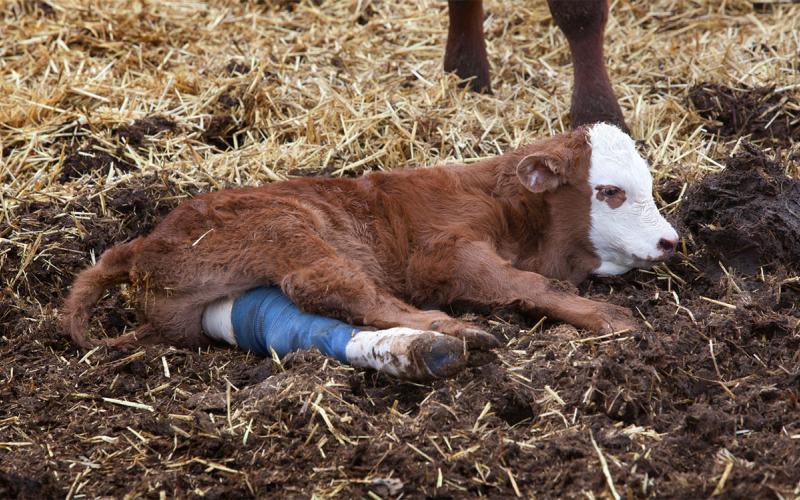
Treating Lameness in Cattle
Successfully treating most cases of cattle lameness usually involves more than a simple injection of antibiotics. Knowing the best intervention for a particular animal starts with a good diagnosis of the problem.
How Does Cold Stress Affect the Energy Needs of Cattle?
Most beef producers understand that when the weather gets colder their cattle need more energy for maintenance. The questions are when do cattle start experiencing cold stress and then how much more energy do they need? Both the actual temperature and the wind speed interact to determine the effective temperature.

Distillers’ Dried Grains With Solubles Decreased Feed-To-Water Ratio
Recent research at SDSU found that using distillers’ dried grains with solubles in swine diets showcased a significant impact on water consumption, leading to a decrease in the feed-to-water ratio.
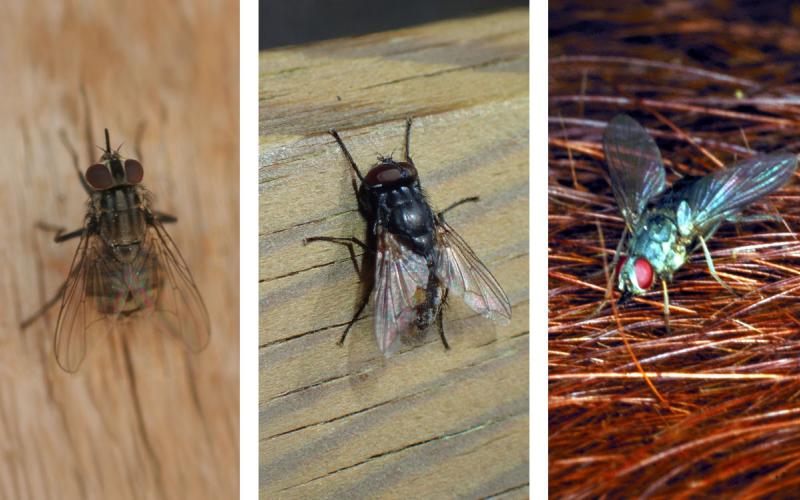
Fly Management for Cattle
There are several species of flies that can reduce the production value of livestock, particularly during hot, dry weather. To manage these pests, it’s important to be able to accurately identify them and understand their life cycles.
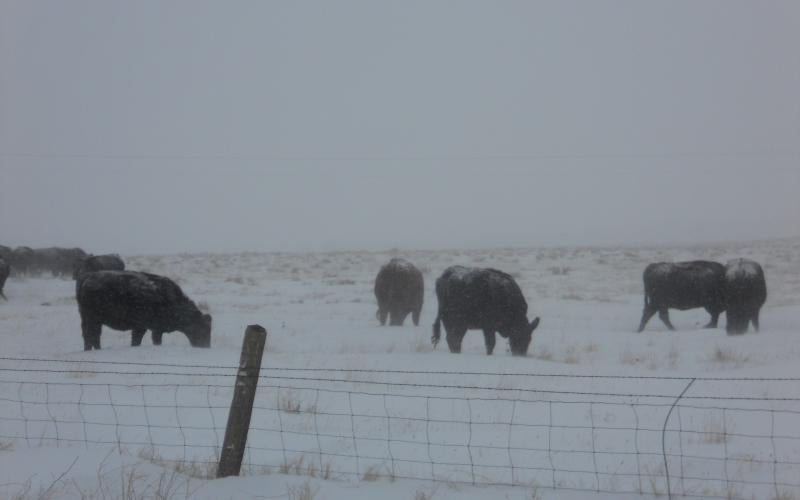
Dealing With Snowstorms for Cattle on Winter Range
Ranchers with cattle on winter pastures have a few management strategies to help them cope with the large snowstorms throughout the state.
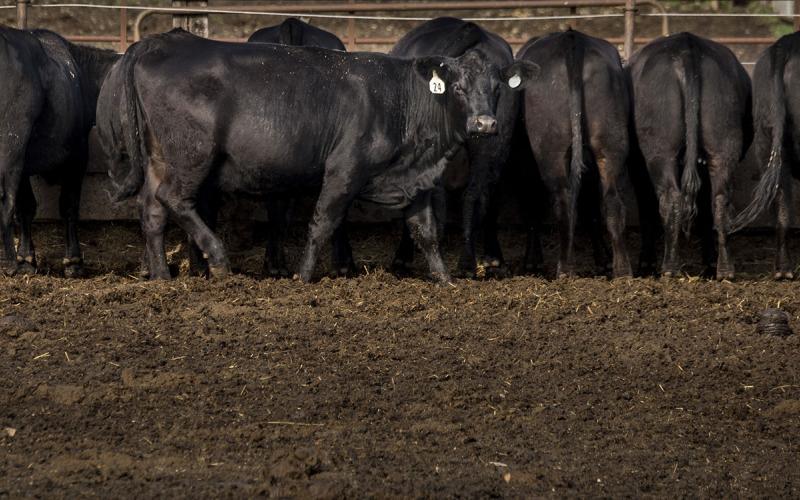
Feeding Damaged Wheat to Cattle
Feeding damaged wheat to livestock is one way to salvage value from the crop. Wheat can work well in cattle diets with some limitations.
Cattle HQ
SDSU Extension's beef team provides valuable insights to improve the health, productivity and profitability of your herd through the Cattle HQ podcast and monthly webinars.

SDSU Extension provides free livestock water testing
May 28, 2026
South Dakota State University Extension is encouraging producers to take advantage of its free, on-site livestock water testing services across the state.
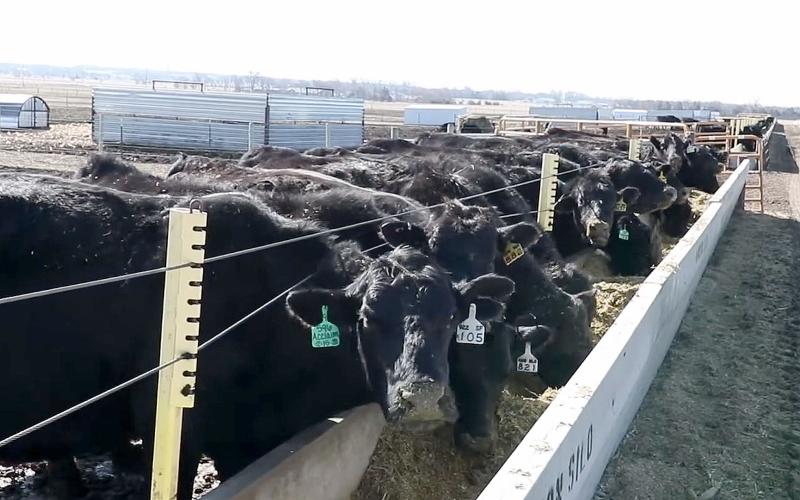
Replacing Distillers Grains with Heat-Treated Soybeans to Increase Finishing Cattle Growth
Heat-treated soybeans offer interesting attributes that could enhance cattle growth. The SDSU Feedlot Research group recently examined how they can fit into modern cattle feeding diets.