Search
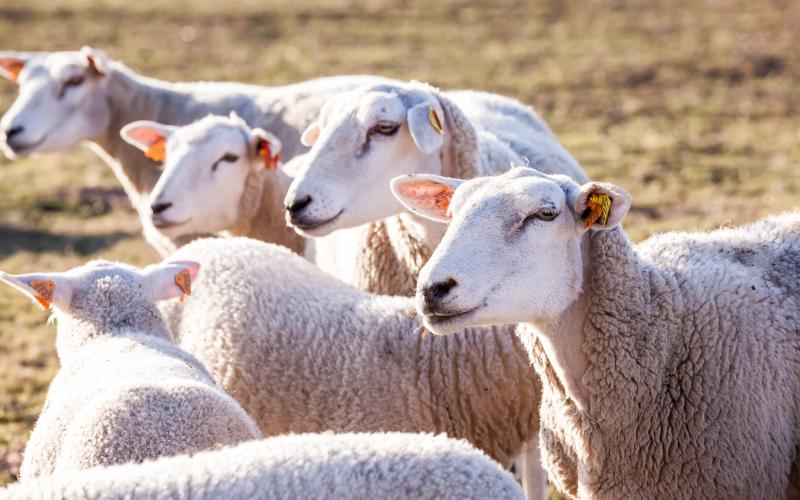
How to Trim Sheep and Goat Hooves
Guide on how to trim sheet and goat hooves
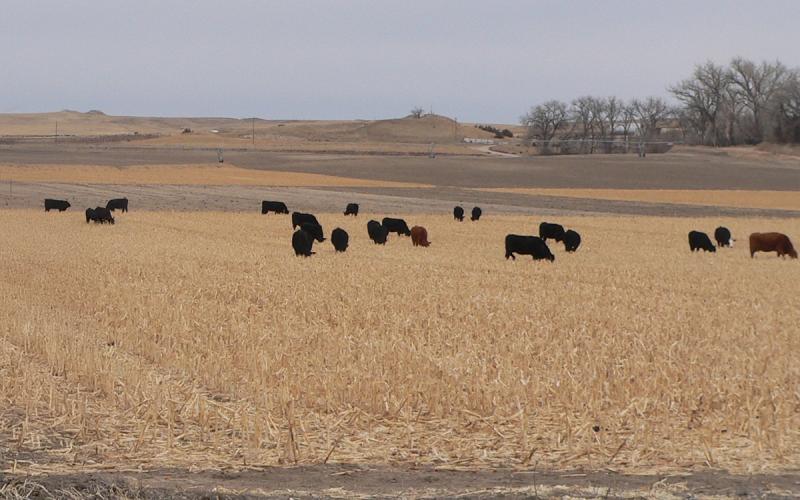
Why Cropland Grazing Now?
The evidence is consistent: cropland grazing delivers measurable economic returns, proven soil health benefits, and growing adoption in South Dakota.

What’s the Beef With Ground Beef?
Unpack some of the common myths about the appearance, quality and processing of store-bought ground beef products.
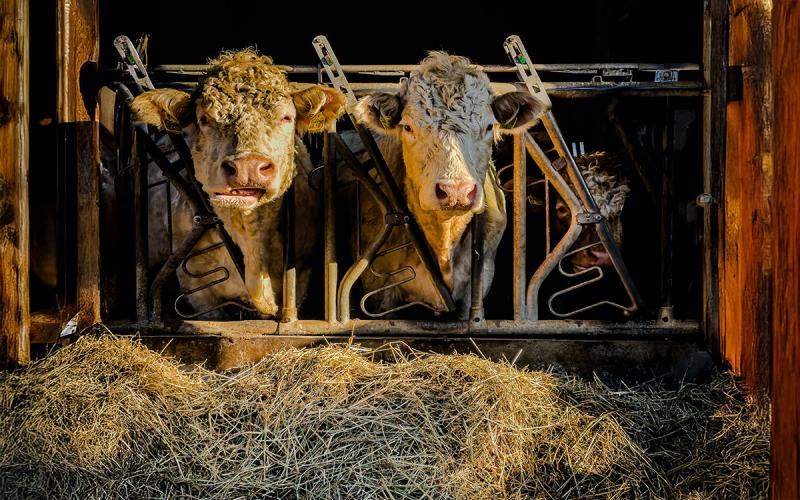
Feed Management for Efficient U.S. Livestock Systems: Introducing the National Animal Nutrition Program’s Feed Management Committee
The National Animal Nutrition Program’s Feed Management Committee brings together experts in animal science, nutrition, and natural resource management to increase awareness and use of livestock feeding management and to address conservation needs.
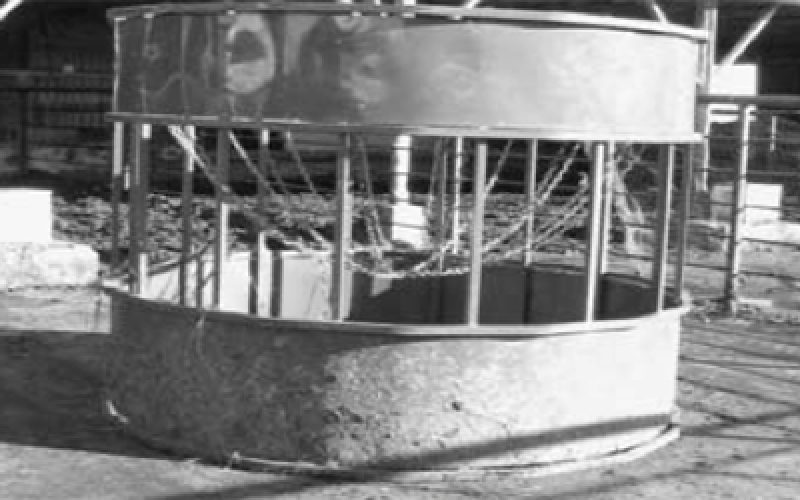
Hay: Stop the Waste
In an effort to prevent increasing the winter feed bill, a new bale feeder design or feeding plan may need to be developed and put into action in order to manage hay waste this winter.
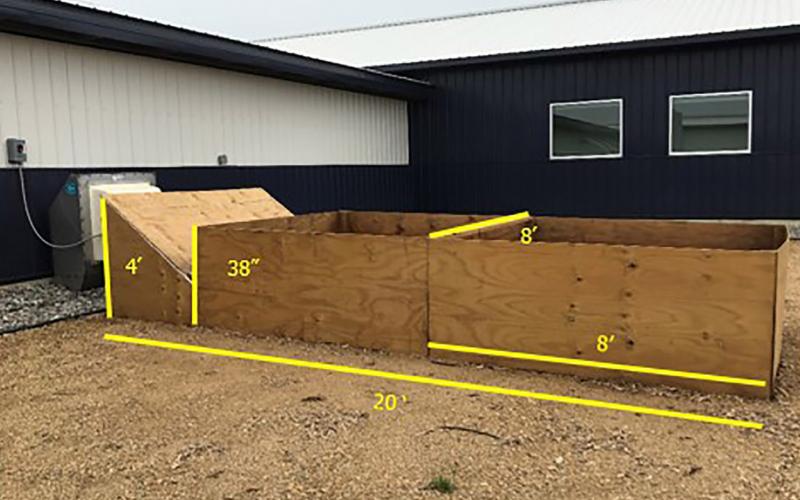
Horizontal Bed Biofilter Construction: Lessons learned at the SDSU gestation unit
This article outlines the design considerations, experiences and cost to construct a horizontal bed biofilter for a pit fan on the new South Dakota State University Swine Education and Research Facility gestation room.
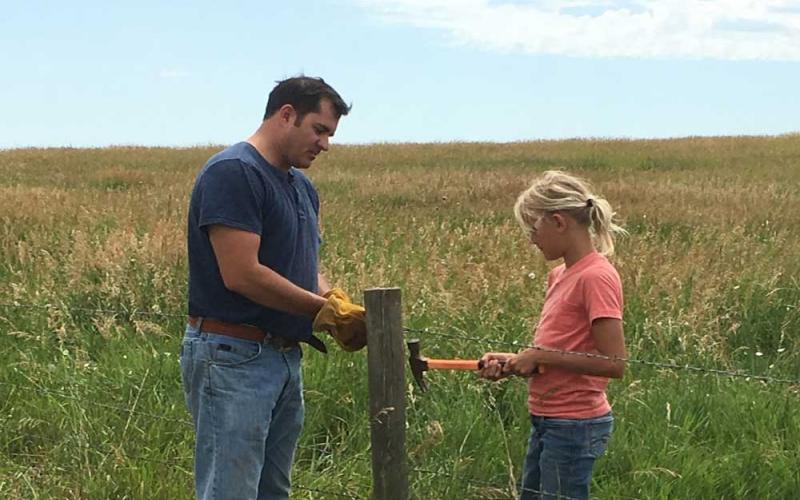
Strategic and Scenario Planning in Ranching: Conducting a Ranch Inventory
During times of belt-tightening, it’s imperative to make sure all the resources of the ranch are being utilized as efficiently as possible. Conducting a complete ranch inventory is a perfect time for ranch managers to take an in-depth look at their operation.
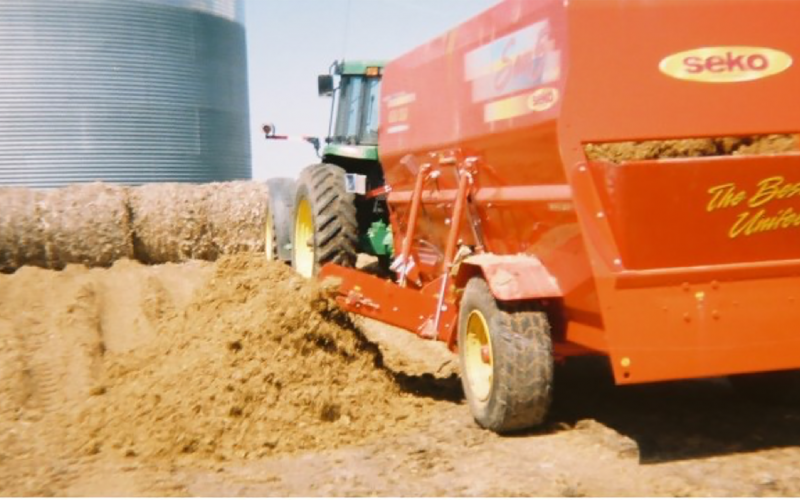
Storing Wet and Modified Distillers Grains
One of the primary challenges for livestock producers in the coming months could very well be feedstuff cost and availability due to the fact that the corn planted acreage and crop progress are both well behind normal benchmarks. One opportunity that might help cattle feeders proactively secure feed supplies would be storing wet or modified distiller’s grains now to be fed at a later date.
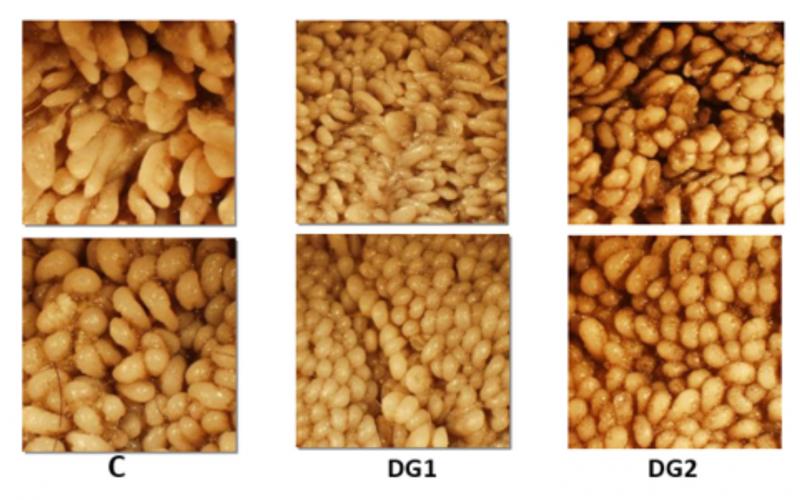
Distillers’ Grains and Rumen Papillae Growth
Distillers grains are without a doubt one of the most versatile ruminant feedstuffs. Aside from their high concentration of sought-after nutrients (i.e. protein, energy, phosphorus), their impact on the digestibility of other feeds is minimal. In fact, by not interfering with the digestion particularly of structural carbohydrates, they allow for more energy to be obtained from forages.
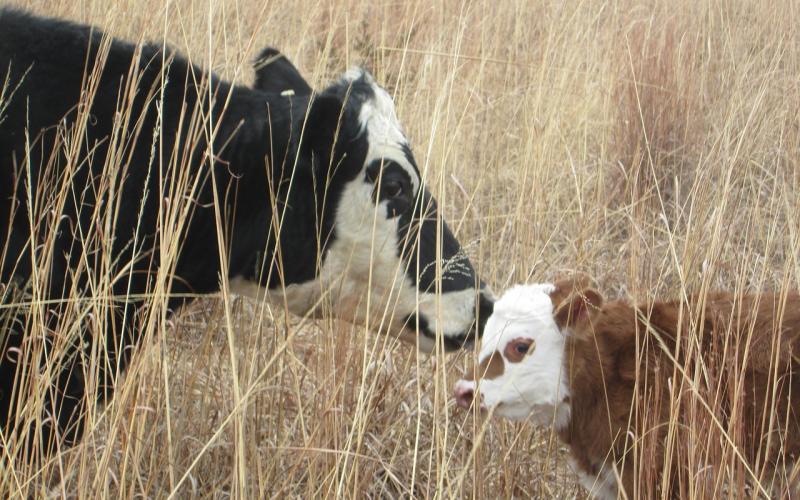
Preparing the Beef Calf for Weaning
One fact on which cattlemen, veterinarians, and animal scientists can agree is that of all the events in most calves’ lives, weaning is the most stressful of them all. If a calf can weather this stress unscathed, they have cleared a major hurdle to a productive future in the feedlot or as a replacement in the breeding herd.