Search
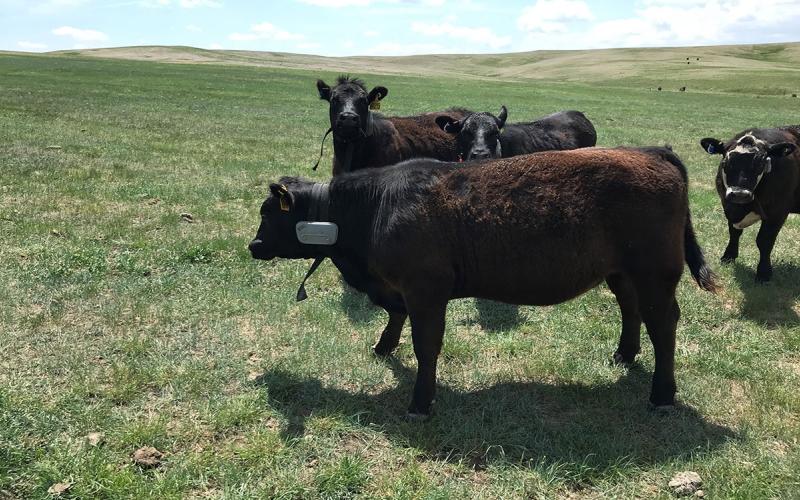
Range Roundup: Virtual Fencing Project Takes Place at the Cottonwood Field Station
Virtual fencing (borders without physical barriers) has started making waves in the cattle industry, and it can be used to implement precision grazing management. Our team is researching its use and utility at the SDSU Cottonwood Field Station starting this summer.

Investigating the “Complex” in Porcine Respiratory Disease
The term “porcine respiratory disease complex” reflects the multi-factorial nature of respiratory disease. Advances in diagnostic testing and research are shedding new light on the microbial pathogens involved in respiratory disease.

Direct Marketing Lamb: Selling to the Ethnic Market
The ethnic market plays a crucial role in the success of the American lamb industry. Learn some keys to success for taking advantage of seasonal demand and price fluctuations in this growing market, including when and where to sell.

Bull Check Up
Cattlemen can increase the breeding capacity of bulls through proper care prior to the breeding season. Because the production of sperm cells require 60 days with several factors having a potential negative impact on breeding ability, it is time to begin evaluating bulls now to ensure they are ready for the breeding season.
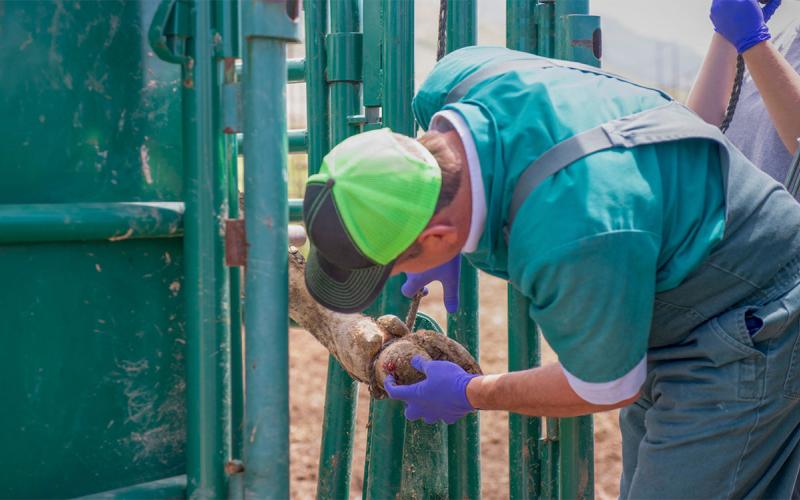
Getting to the Bottom of Cattle Lameness Cases: Diagnosis
Making the right decisions about how to deal with a lame animal depends on how accurately the cause of the lameness can be diagnosed and localized.
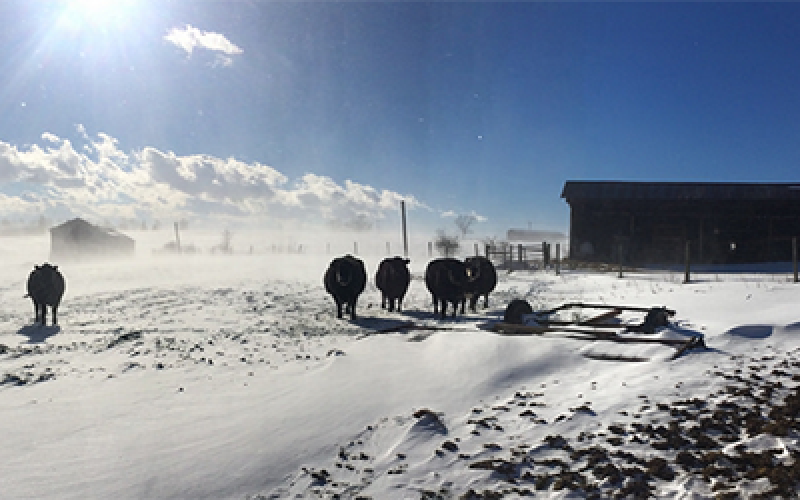
How Does Cold Stress Affect the Energy Needs of Cattle?
Most beef producers understand that when the weather gets colder their cattle need more energy for maintenance. The questions are when do cattle start experiencing cold stress and then how much more energy do they need? Both the actual temperature and the wind speed interact to determine the effective temperature.
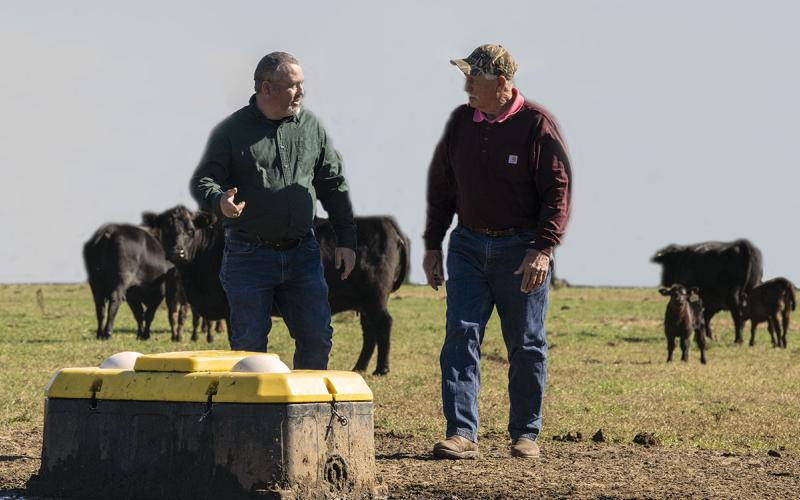
Water Monitoring Systems for Livestock
Depending on animal locations, checking water tanks can require hours of labor and significant fuel costs for remote pastures. Water monitoring systems offer producers a convenient way to check the status of the water sources remotely.
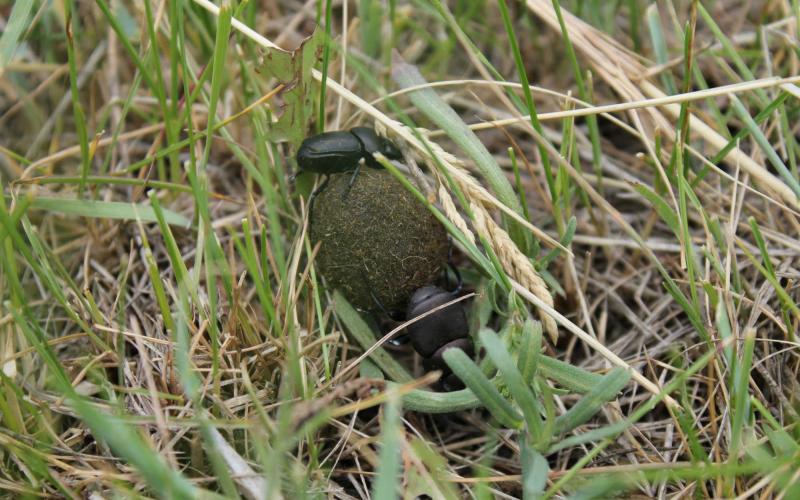
Managing Livestock for Dung Beetles and Other Beneficial Species
South Dakota researchers have taken a closer look at the function of dung beetles in Eastern South Dakota over the last few years. This article summarizes findings related to management of livestock grazing and chemical pesticides in relation to dung beetle and insect community health.

Getting Ready for Winter on the Range
During periods of summer and fall drought, winter grazing opportunities may be limited or not available at all. Ranch managers must ensure that enough residual plant height and vegetation cover of the soil surface is available through the winter to aid in recovery of the rangeland.

Harvesting High-Moisture Corn and Earlage
Producers who raise both corn and cattle have the option of harvesting some or all of their corn acres as a high-moisture grain crop to be marketed through cattle. There are several advantages to harvesting corn earlier at a high-moisture content.