Search
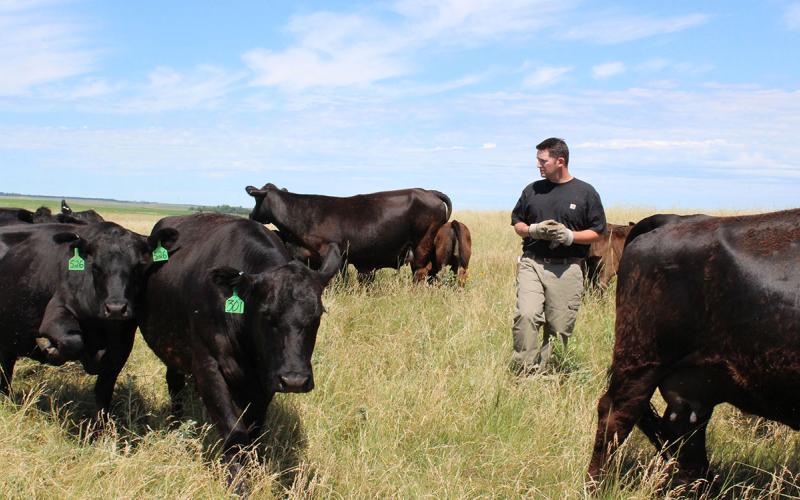
Management-Intensive Grazing Plays a Key Role in Expanding Grass-Based Agriculture
By improving livestock carrying capacity and reducing feed costs, grazing strategies at greater management intensity have the potential to improve grass-based livestock production profits.
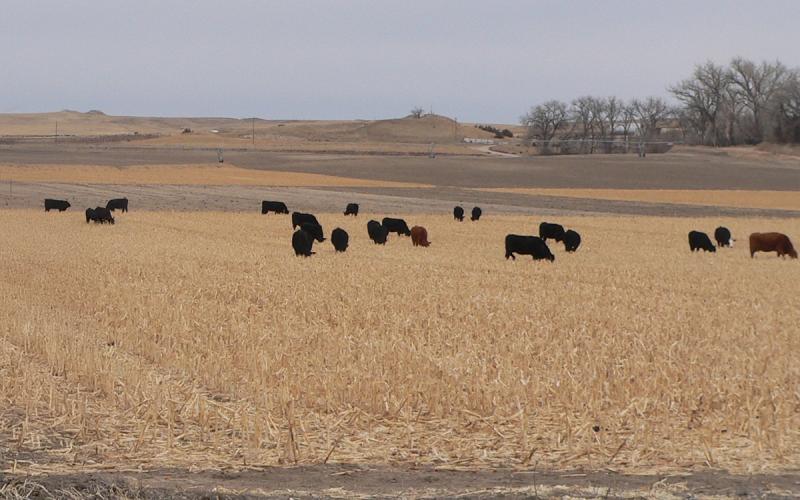
Why Cropland Grazing Now?
The evidence is consistent: cropland grazing delivers measurable economic returns, proven soil health benefits, and growing adoption in South Dakota.

Keep Your Pastures Guessing: Why predictable grazing is costing you
Your cattle don't care which pasture they're in. Your pastures, on the other hand, care enormously. Give them something to work with, and keep them guessing.

AgritourismSD Program
AgritourismSD is an intensive educational program designed to provide farmers and ranchers with the opportunity to create an enterprise that utilizes resources in different ways to generate new income streams.
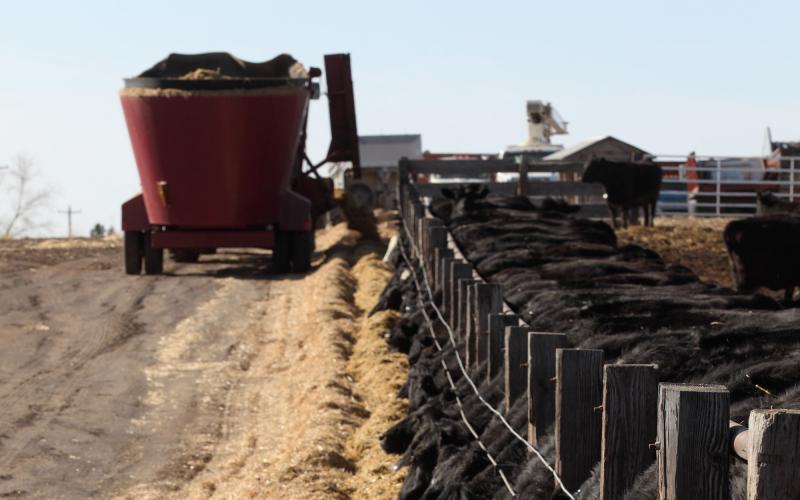
Sign Up Available for Virtual Feedlot Short Course, July 16
August 10, 2020
SDSU Extension will be hosting a seven-week virtual Feedlot Short Course beginning on July 16. The program is scheduled to run each Thursday from July 16 through August 27, at 12:30 p.m. CDT.
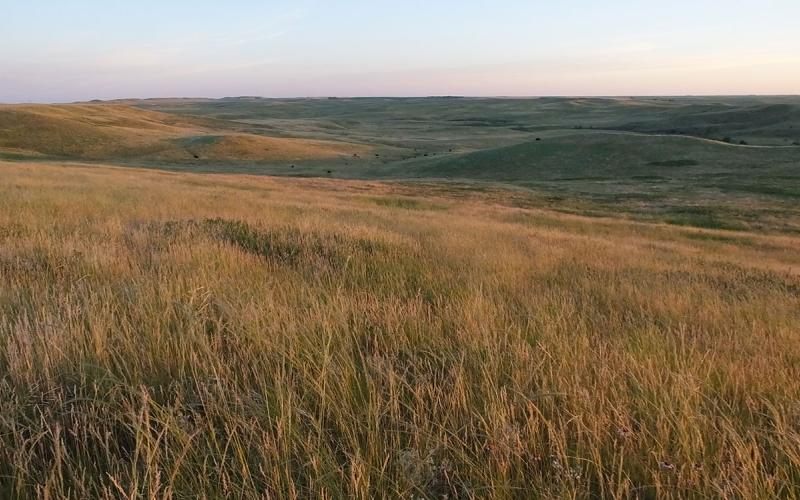
Historical Trends in South Dakota’s Agricultural Land Values by Land Use
Average cropland and pasture values increased in all regions of South Dakota between 1991 and 2024. Learn some expert insights into South Dakota's regional trends in agricultural land values and rental rates for cropland and pasture/rangeland.

Why Grassland Management?
Grassland management involves more than simply moving livestock from one pasture to the next. Successful grassland managers are educated in grassland health and strive to improve their personal understanding of key grassland components.
SDSU Extension to Tackle Weed, Pest and Drought Inquiries at State Fair
August 23, 2021
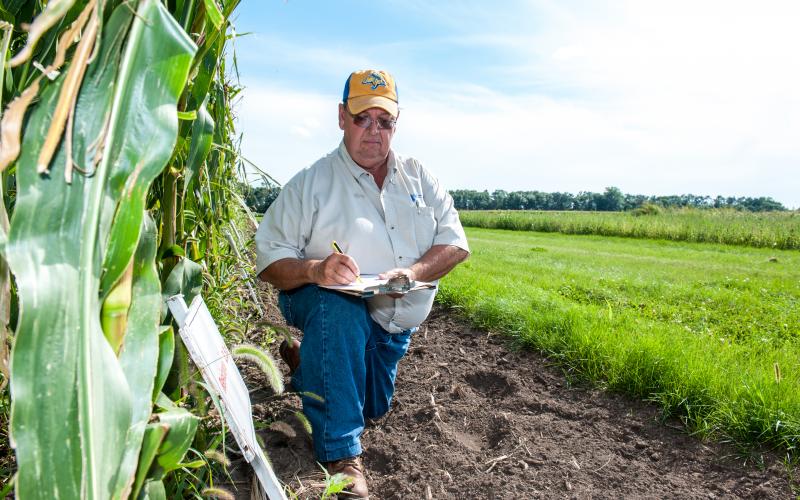
To address drought concerns, as well as weed and pest inquiries, South Dakota State University Extension will feature two booth locations at the 2021 South Dakota State Fair Sept. 2-6 in Huron.
Spot Treatment Options for State Noxious Plants
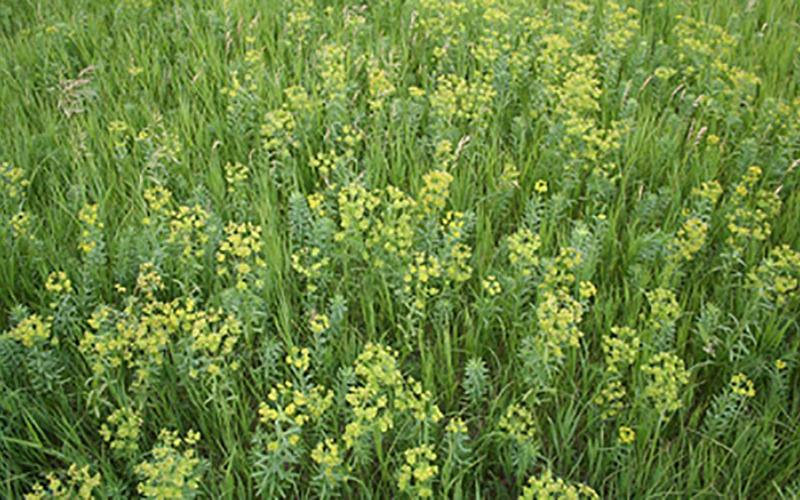
When controlling grassland weeds, the mindset of row crop weed control may be put into practice too often. In most cases, broadcast control of weeds in grasslands is rarely necessary. Most often, spot treatment can be used more effectively to manage the noxious and invading weeds.
SDSU Extension hosts swine production and transportation certification in January
January 03, 2024
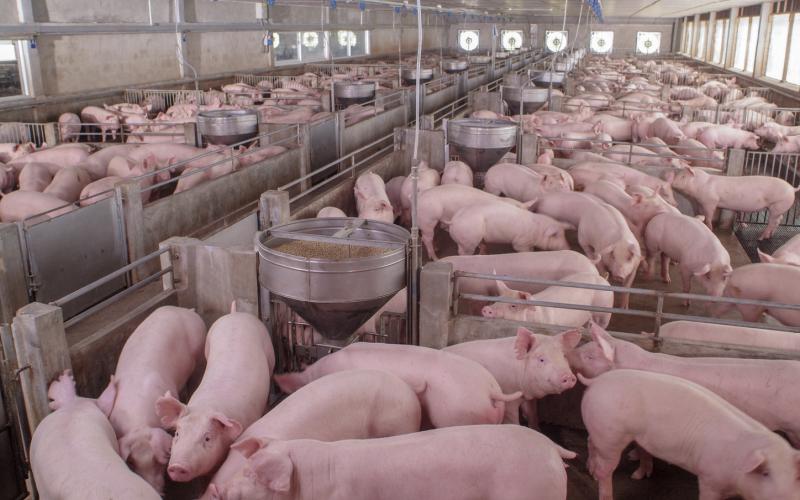
South Dakota State University Extension will help swine producers, transporters and handlers update their Pork Quality Assurance (PQA) Plus and Transportation Quality Assurance (TQA) on Jan. 10, 2024, in Sioux Falls.