Search
Getting Replacement Heifers Ready to Breed
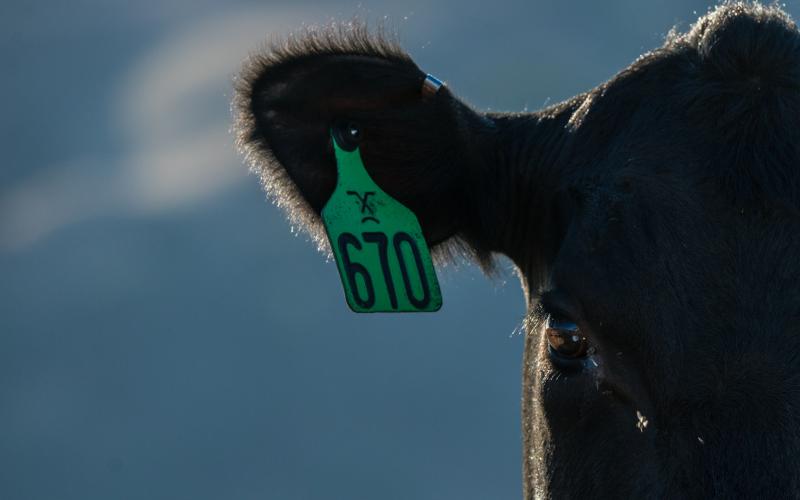
Producers should take some time to evaluate replacement heifers’ health, nutrition and reproductive status to ensure high-quality females entering the cow herd.
Herd Management: Keep or Cull During a Drought?
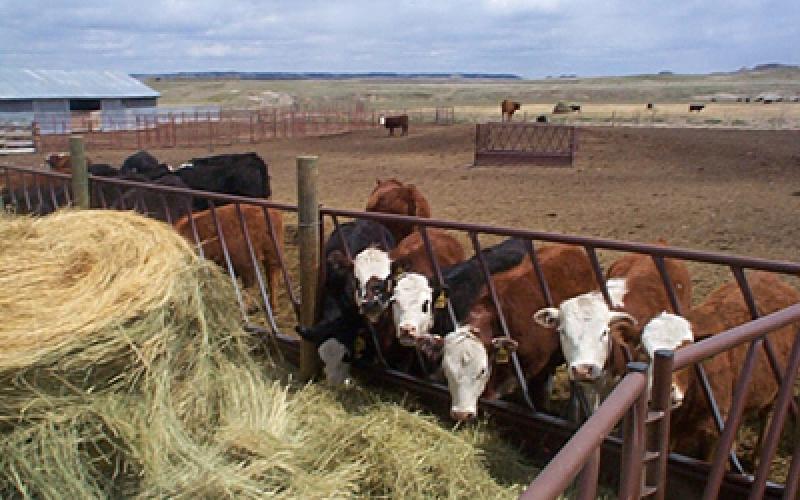
Drought forces unexpected changes so it’s critical to have a strategy to keep only the “right” females that will benefit the operation.
Rotational Grazing Benefits: South Dakota Producer Perceptions
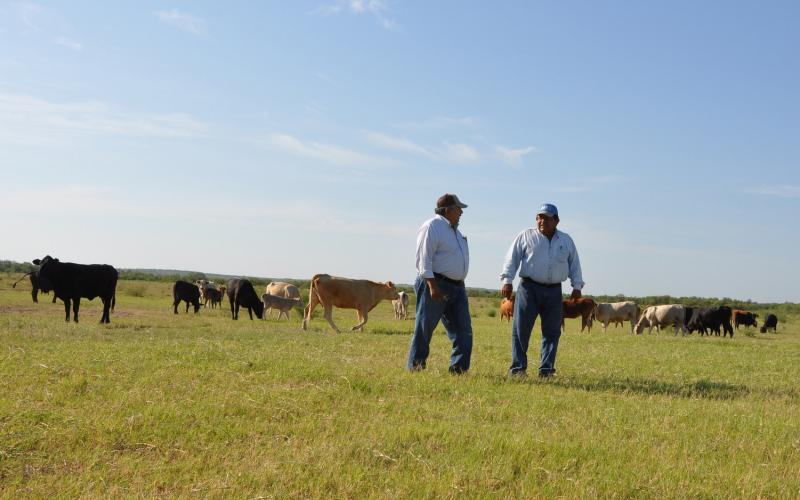
To better understand producer perceptions on rotational grazing, we sent out 1,500 surveys to South Dakota ranchers inquiring about adoption status and perceptions of rotational grazing.
Late-Term Reproductive Losses in Beef Cattle: Diagnosing the Cause
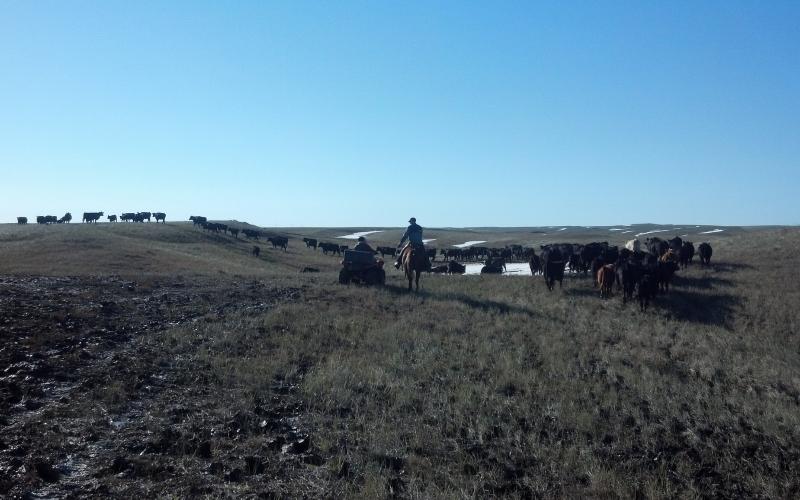
Reproductive losses account for $1 billion in lost revenue to the beef industry each year. With cattle reproduction, focusing on what we can control and diagnose is the key to avoiding these losses.
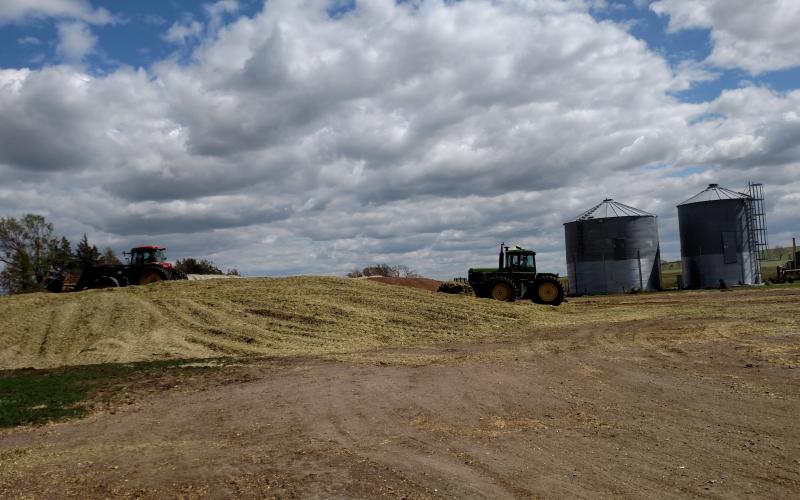
Silage Moisture Testing Tips
Two key points to keep in mind when making high-quality silage are moisture content before harvest and nutrient content before feeding.

Capsicum Oleoresin Fed to Grow-Finish Pigs Improved Carcass Value
Feed additives are low incorporation, non-nutritive, feed ingredients designed to provide benefits in the growth, feed efficiency, and/or feed intake of animals and ultimately lower the cost of production.
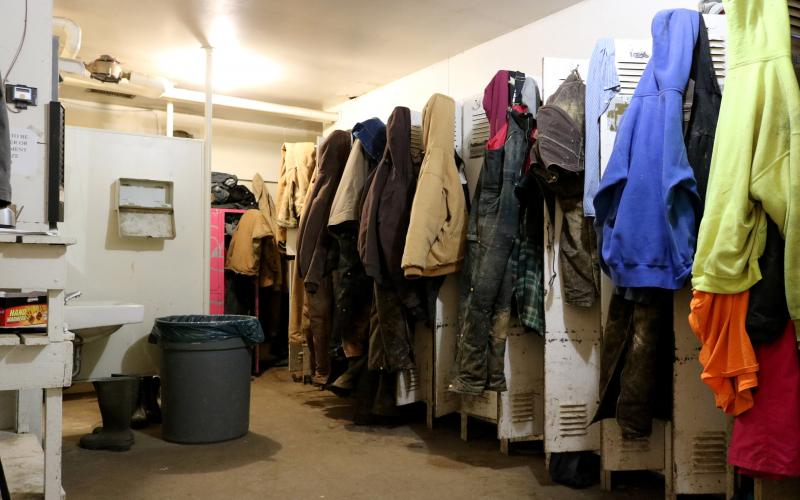
10 Simple Amenities That Will Boost Employee Morale
Agricultural employers who prioritize their work environment and offerings often have employees that are more satisfied and proficient at their work.
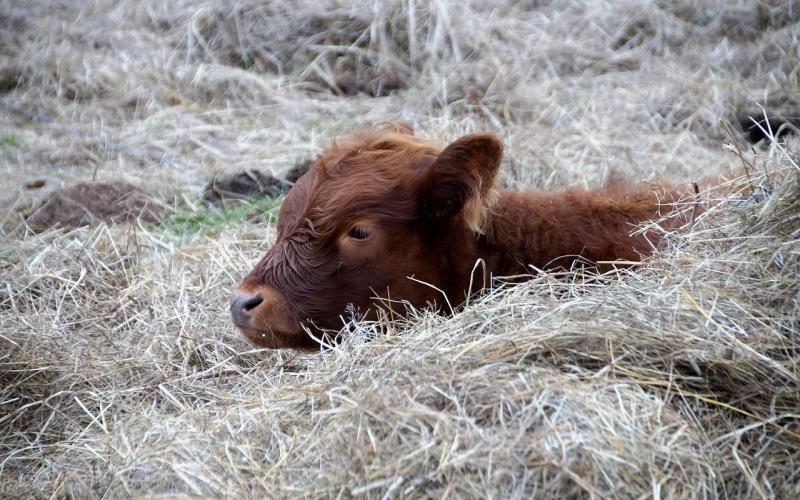
Summer Pneumonia in the Beef Herd
Respiratory disease in pre-weaned beef calves on pasture can be a concern for cow-calf producers, and outbreaks are frustrating for cattle producers and veterinarians alike.
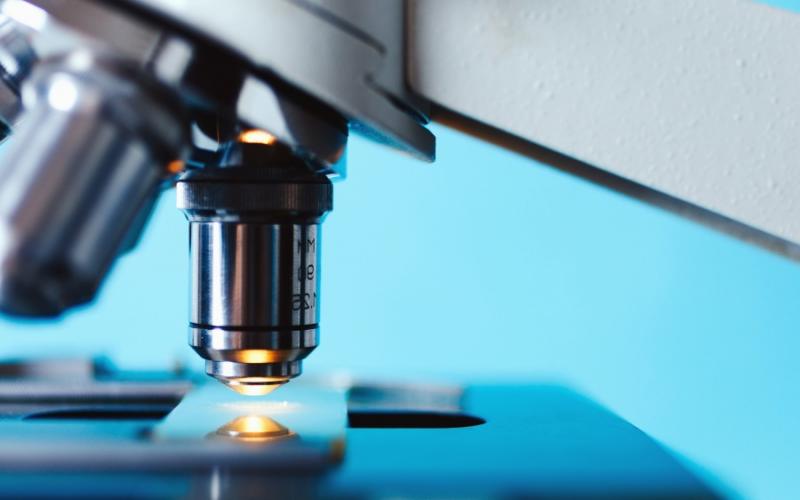
How the Veterinary Lab Diagnoses Anthrax in a Beef Herd
Anthrax is a serious disease of cattle that pops up somewhere almost every year in South Dakota. It’s caused by a bacteria that survives as a very tough spore form in the soil. Knowing whether a death on pasture has been caused by anthrax is important for several reasons.
![A herd of cattle gather around a stock pond on a vast, lush grassland. Courtesy: USDA [CC BY 2.0]](/sites/default/files/styles/teaser_800x500/public/2019-05/W-00231-00-cattle-grazing-grassland-pasture-range.jpg?h=8f818b46&itok=6GS1_Ww0)
The Environmental Disease Called Pinkeye
Plentiful moisture during the grazing season might contribute to what could be called a “bad year” for a certain cattle disease: pinkeye.