Search
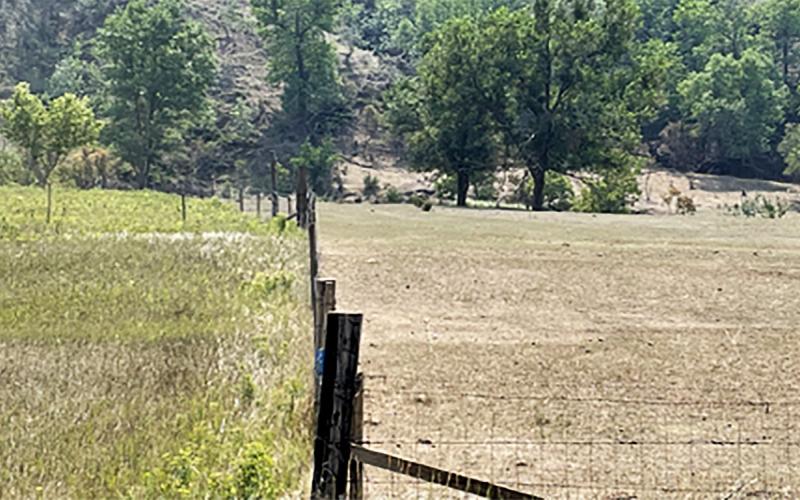
The Lasting Effects of Overgrazing on Rangeland Ecosystems
Overgrazing can cause various detrimental effects on rangeland ecosystems. Most of the effects are seen in the short term, but some are unseen and can be lasting.
Preparing for the Breeding Season Part 2
This week on Cattle HQ, Kiernan Brandt and Olivia Amundson, former SDSU Extension Cow/Calf Field Specialists, continue the conversation with Dr. George Perry of Texas A&M and John Moes of Moes Feedlot LLC.

Farm to (More Than) School
Opportunities for local food procurement go beyond just school lunch! Learn about several child nutrition programs and settings that may accept local foods.
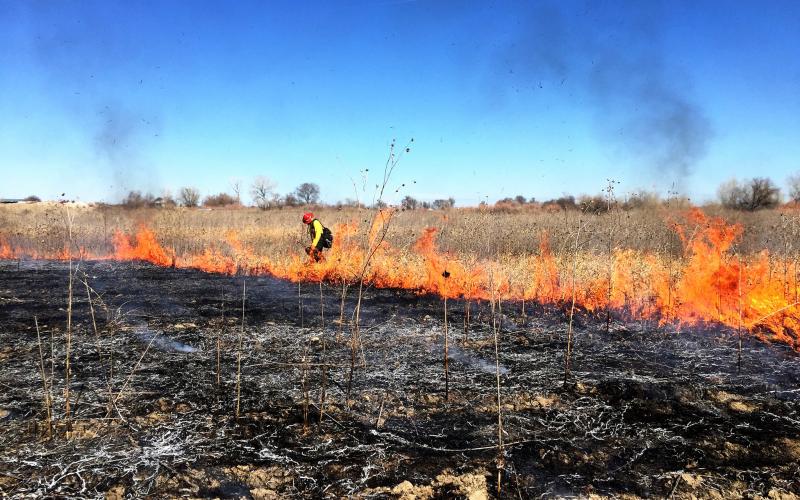
SDSU Extension to Offer Landowner Prescribed Fire Workshops
April 26, 2022
SDSU Extension, in partnership with the South Dakota Grassland Coalition, the Natural Resources Conservation Service, and others will host a prescribed fire workshop tailored to private landowners June 2-3 at the SDSU Oak Lake Field Station in Astoria.
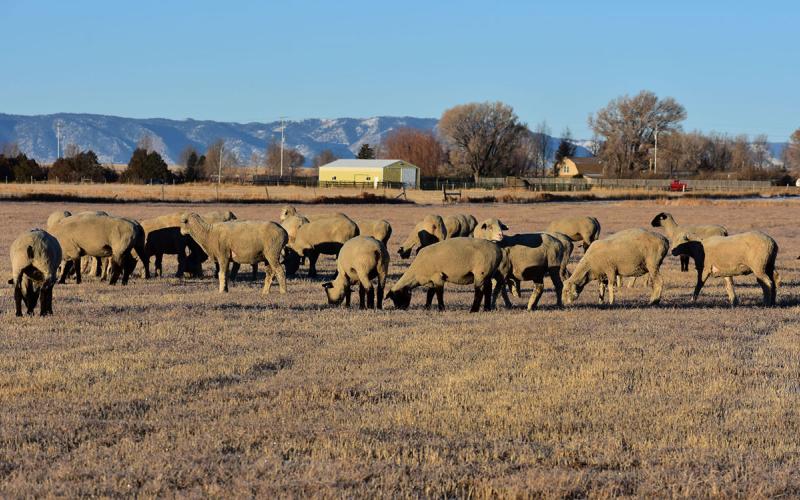
Multispecies Grazing: Benefits of Sheep Integration on Rangelands
Fact sheet about diversifying your operation to benefit your rangeland.
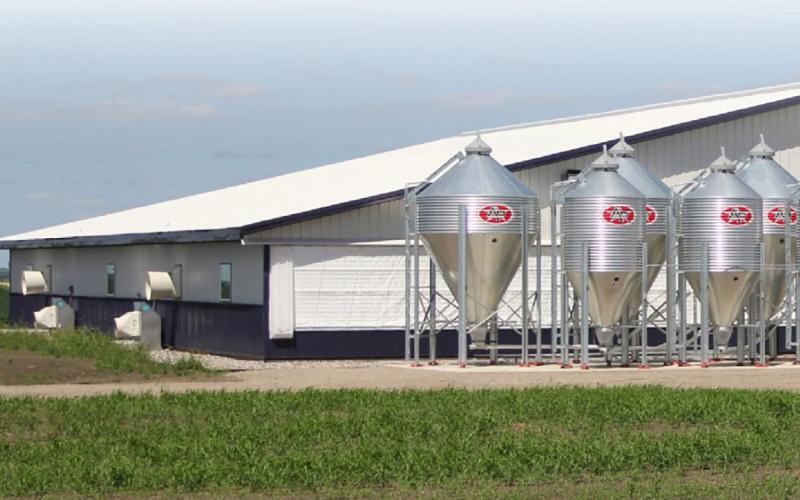
Feed Additives Can Modulate the Swine Gut Microbiome in Weaned Pigs
Recent research at the SDSU Commercial Wean-to-Finish Research Facility found that a combination of feed additives provided benefits to the performance of weaned pigs and also modulated the swine gut microbiome.
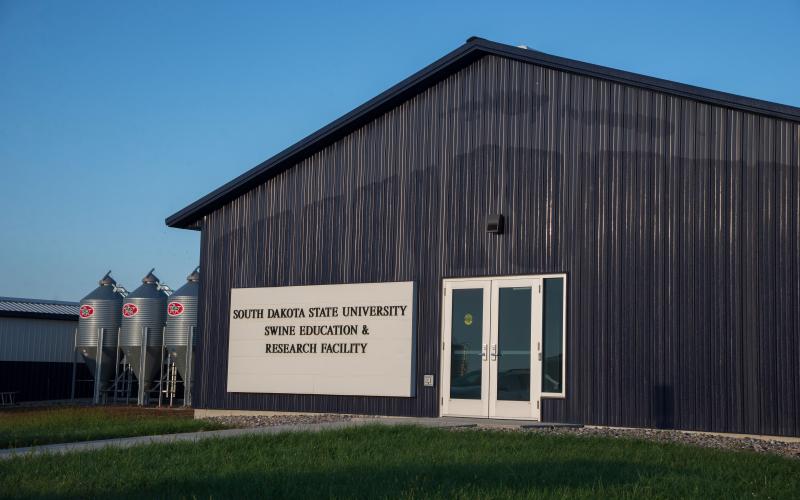
Trace Mineral Incorporation Level Did Not Impact Grow-Finish Pig Performance
Recent research at SDSU found that supplementing dietary trace minerals at levels closer to NRC requirements in typical corn-soybean meal diets for grow-finish pigs did not have an impact on overall pig performance and carcass characteristics.
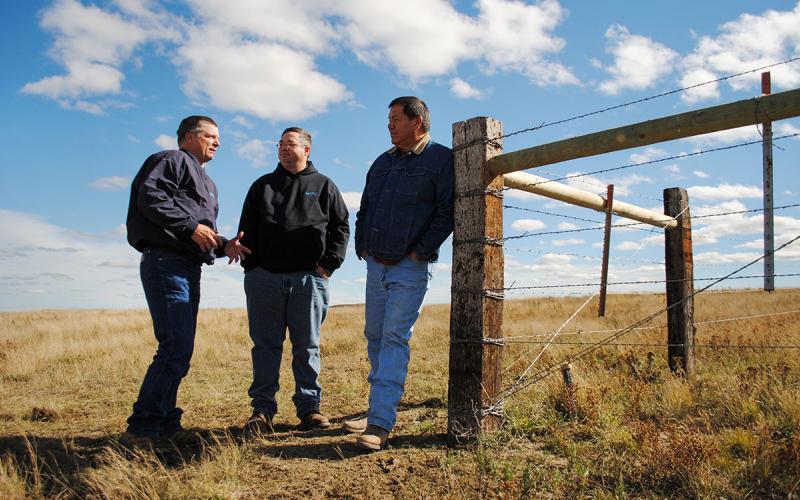
Five Range Management Principles: #2 Creating a Grazing Plan
Creating a grazing management plan can be overwhelming. Learn the basic steps for outlining a plan, along with several resources to help identify the right strategy for your operation.

South Dakota Grasshopper Prediction for 2022
Data from the 2021 USDA Adult Grasshopper Survey of South Dakota suggests that grasshopper populations may continue to be problem in parts of central and western South Dakota during the spring of 2022.
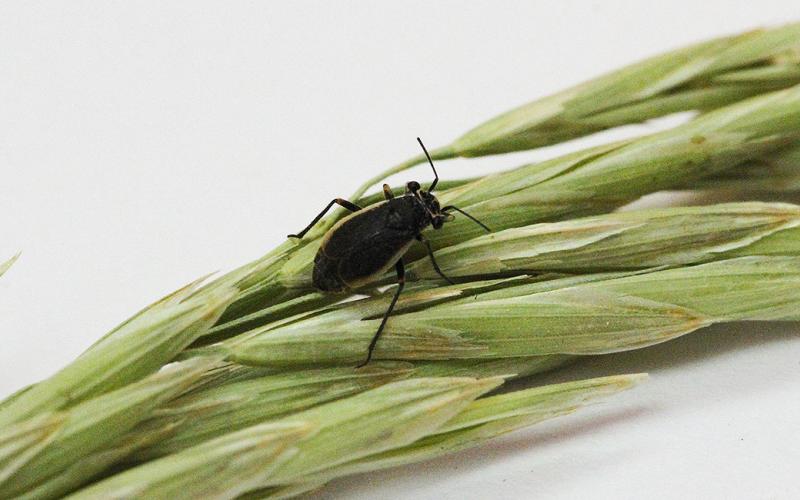
Black Grass Bugs May Cause Issues if Drought Persists
In western South Dakota, black grass bugs are a common spring forage pest that can cause considerable damage during periods of drought. Learn how to monitor and manage this pest to protect your forages this spring.