Search
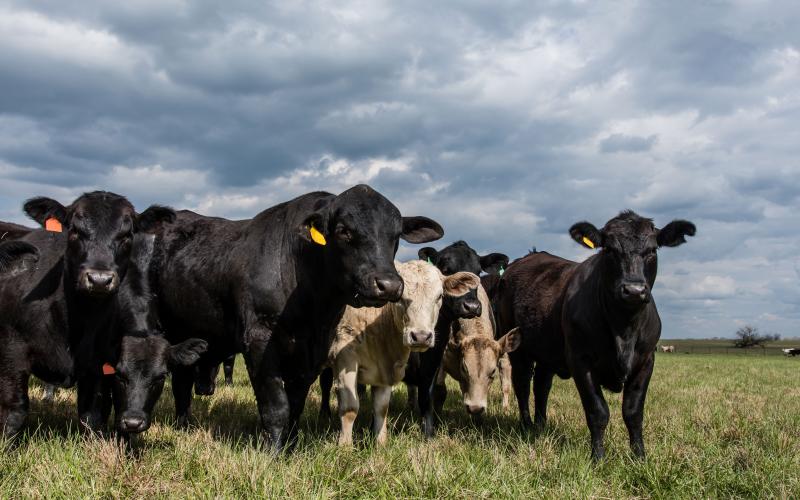
Ensure Herd Bulls Are Ready for the Upcoming Breeding
Percent of calf crop weaned on any operation is the single largest factor influencing profitability. Subsequently, herd bulls influence herd fertility more than any other single animal.

SDSU Extension to Address Economic and Marketing Issues in Crop and Livestock Production During Ag Economic Dialogue Series
August 06, 2020
SDSU Extension will host monthly Ag Economic Dialogues throughout 2020 to assist farmers and ranchers in making the best and most profitable decisions for their operations.
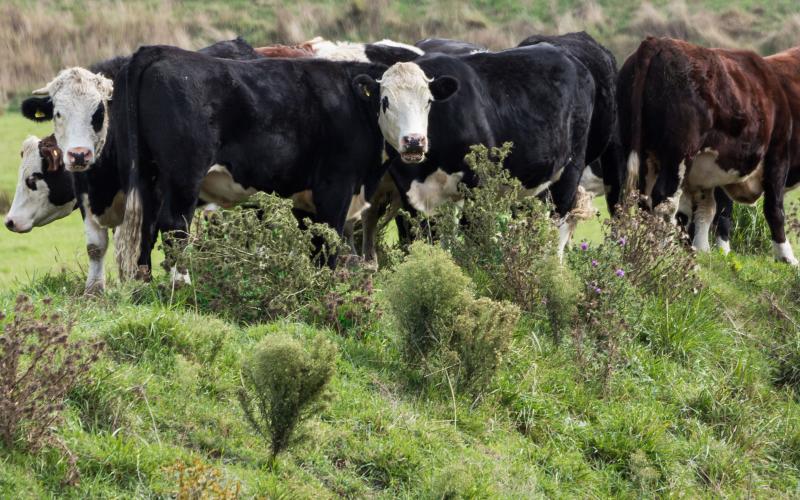
Alternative Pasture Weed Control
The term ‘weed’ can be broadly applied to any plant that is undesirable at any given time and place based on certain criteria. It is important to understand that the word ‘weed’ has become a general term with no universal definition, and many plants are considered to be weeds, depending on location.
Cash Flow is Critical
Strong business management skills and systems do not go out of style in times of uncertainty. These skills will help the business work through downturns in commodity prices. Cash flow budget accuracy is critical in developing and controlling the business.
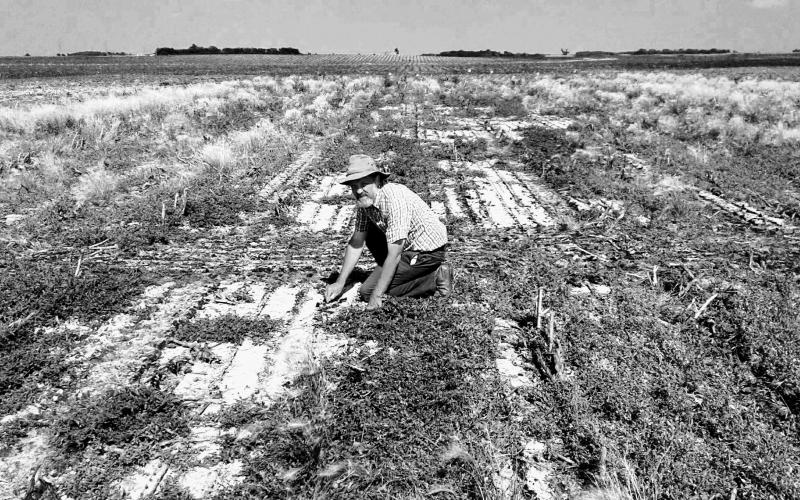
Perennial Solutions for Alkali Areas
Reclaiming marginal lands, especially those considered saline or sodic can be very challenging and may take many years to accomplish. The key to turning around salt or alkali areas in your fields, begins with getting a living root established in the affected area.
Considerations for Cull Cows
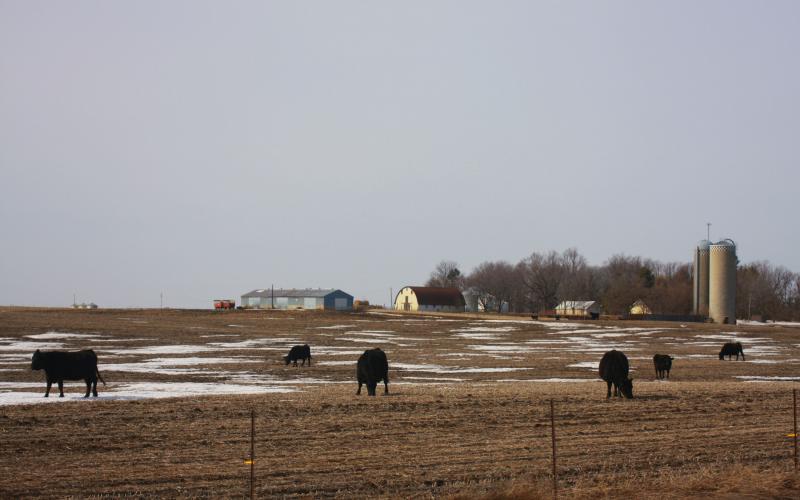
The last year was difficult to say the least, from a wet, muddy spring and late planting to an early, wet fall and difficult harvest. Unfortunately, for cow calf producers, the repercussions were seen during pregnancy detection this year, as the number of slaughter cows within the state were abundant due to open cows.
Harvesting Silage on a Wet Year: Moisture is Critical
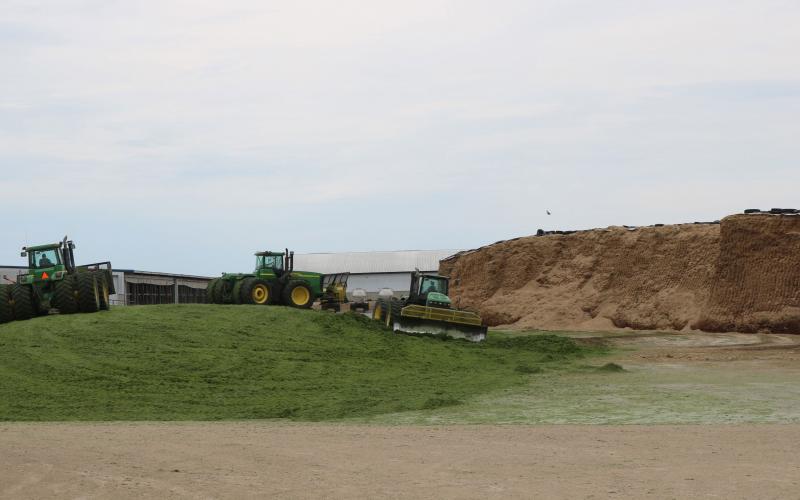
Fall is on its way in South Dakota. However, with many flooded and saturated fields, some producers are growing concerned that there will be little opportunity to harvest silage before corn dries down past desired moisture levels or frost occurs.
Fall Frost and September Climate Outlook for 2019
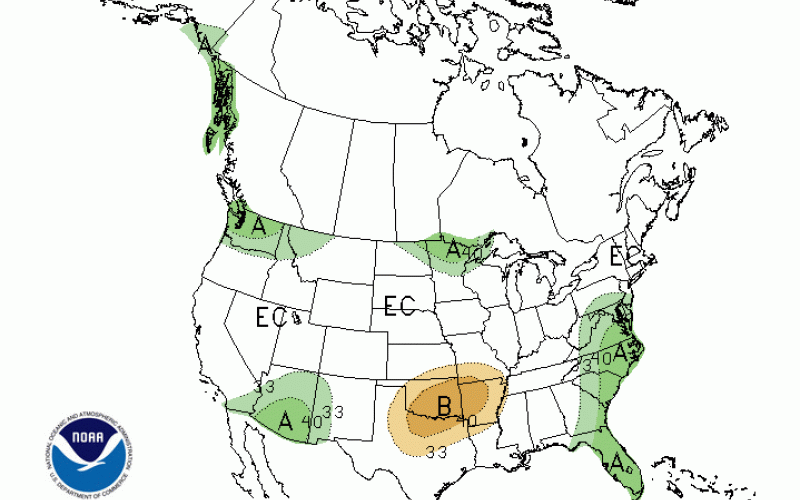
September 2019 has been pleasantly warmer than usual, and our crops need every bit of that warmth to reach maturity before our first frost arrives. Fortunately, temperatures have cooled slightly this week but just to near average for this time of year.

Harvesting High-Moisture Corn and Earlage
Producers who raise both corn and cattle have the option of harvesting some or all of their corn acres as a high-moisture grain crop to be marketed through cattle. There are several advantages to harvesting corn earlier at a high-moisture content.
Valuing High-Moisture Corn and Earlage
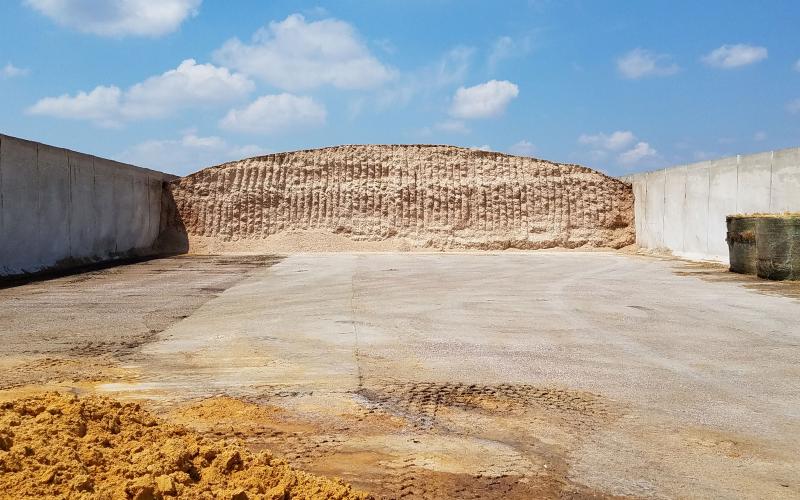
A key advantage to using commodities that meet standard specifications and are frequently traded is that it is very easy to establish an economic value that is accepted by most users. The marketplace sets the value of corn, and other feedstuffs on a daily basis, provided those products meet some set of standard specifications.