Search
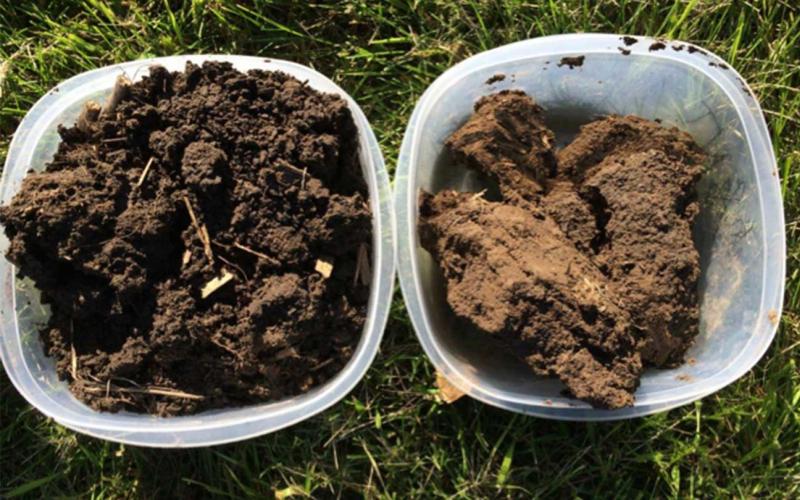
Organic Agronomy Starting to Impact
For decades scientists have known that a handful of soil contained more micro-biological organisms than the number of humans on earth. Science is just beginning to discover these organisms and learn about their functions and contribution to their soil ecosystem.
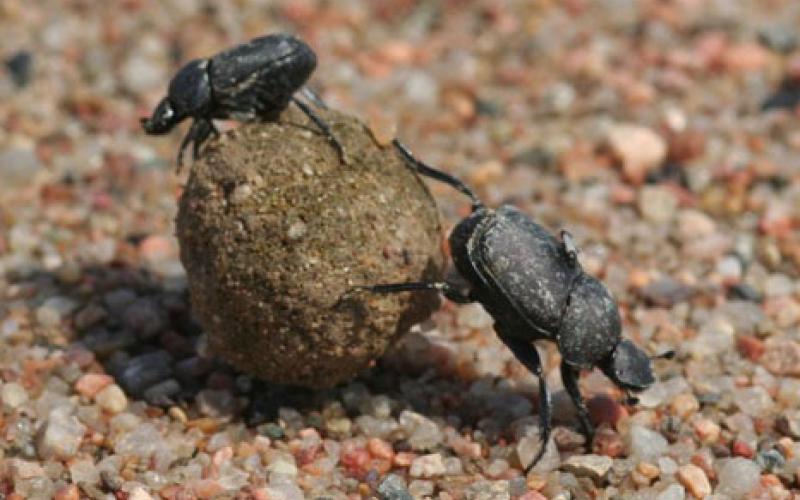
An identification guide to common Dung Beetles of South Dakota
A guide of common dung beetles of South Dakota.
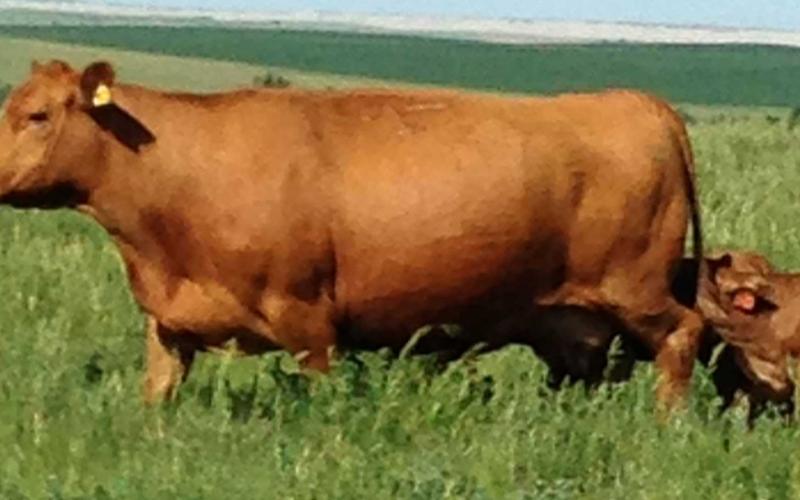
Alternative Calving Considerations
Structuring a calving program that best suites farm and ranch operations can be challenging. Of primary concern are: weather, labor, market timing, and animal health considerations, with weather possibly being the most volatile factor, as it ranges from challenging to catastrophic in some years.
SWOT Analysis for Your Ranch (And Don’t Forget About Yourself)
Completing a SWOT (Strengths, Weaknesses, Opportunities, Threats) analysis allows you to evaluate your operation's current position and decide on management strategies to achieve your goals for the next year. Learn how to get started today!

South Dakota Delegate, Matea Gordon, to Present at the Society for Range Management Annual Conference in Denver
February 07, 2020
Matea Gordon, sophomore at Sturgis Brown High School, has been selected by the South Dakota section of the Society for Range Management (SRM) to participate in the High School Youth Forum (HSYF).

South Dakota Declares February 21 Soil Health Awareness Day
February 20, 2020
South Dakota Governor Kristi Noem has declared February 21, 2020 Soil Health Awareness Day. Agriculture contributes over 132,000 jobs and 32.5 billion dollars in total output to South Dakota’s economy.
Get to Know Your Local Emergency Management Director
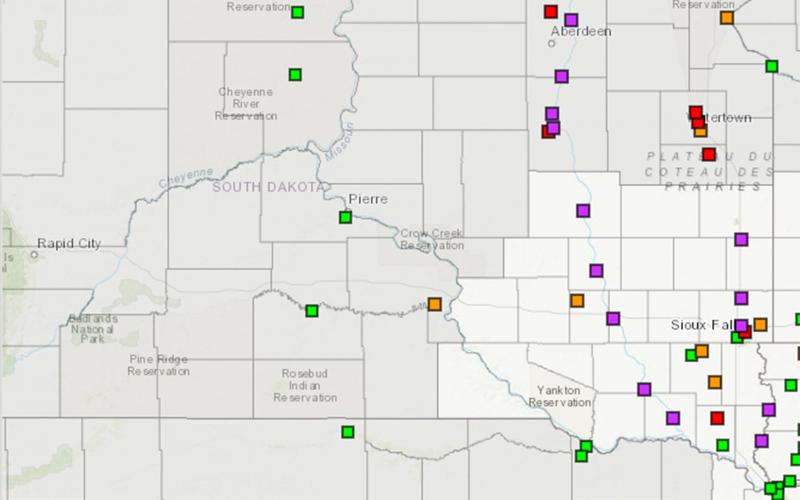
The warmer weather and spring migration this March have us all thinking of better days ahead. Unfortunately, it also has us thinking about flooding again this spring.

SDSU Extension to Address Economic and Marketing Issues in Crop and Livestock Production During Ag Economic Dialogue Series
August 06, 2020
SDSU Extension will host monthly Ag Economic Dialogues throughout 2020 to assist farmers and ranchers in making the best and most profitable decisions for their operations.
Fall Frost and September Climate Outlook for 2019
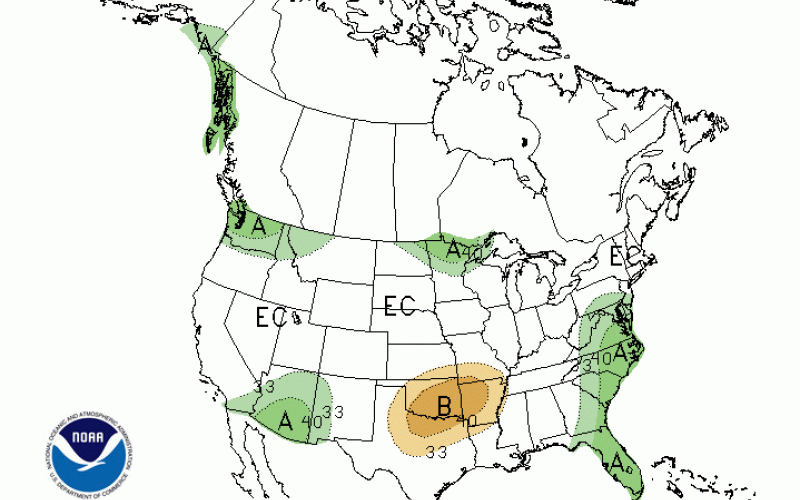
September 2019 has been pleasantly warmer than usual, and our crops need every bit of that warmth to reach maturity before our first frost arrives. Fortunately, temperatures have cooled slightly this week but just to near average for this time of year.
Multi-Species Grazing as an Alternative to Pasture Spraying
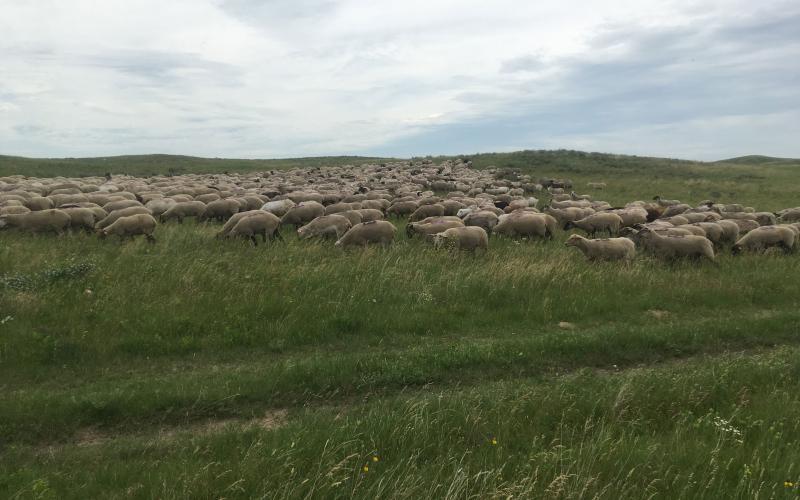
Broadacre spraying of pastures is intended to reduce undesirable plants and increase grasses for livestock. This practice often results in unintended consequences, including damage and reduction of native forbs and reduced profitability. One approach to managing perceived “weedy” plants is incorporating different species of livestock into a grazing operation.