Search

Labeling of Prepared and Processed Foods in South Dakota
Labeling requirements vary in accordance with the type of food that is being sold and in several instances how or where it was prepared or processed.

Selling Juice in South Dakota
Understanding the regulations for selling juice in the state of South Dakota can be difficult to navigate. This article was developed to address some of the questions around juice at retail as well as selling juice at a Farmer’s Market and to also ensure that seller’s may be well informed to ensure they are selling juice that meets regulatory requirements as well ensuring the product is safe.
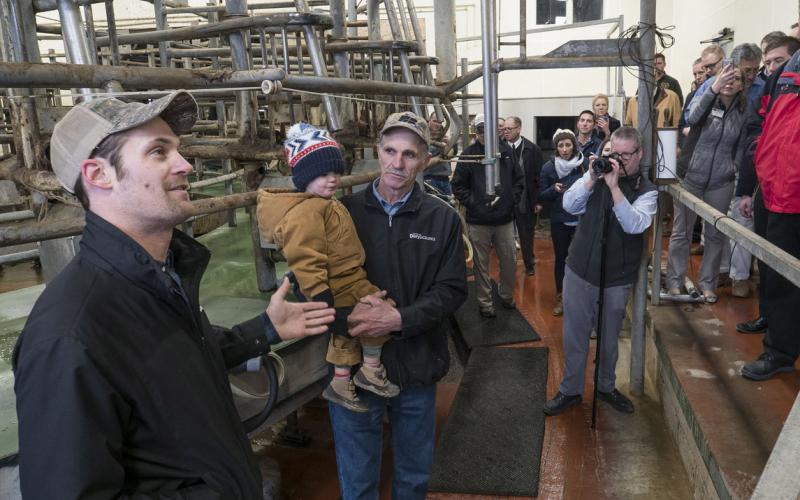
Preparing to Host a Farm Tour
Taking the time to prepare for a farm tour will result in a positive experience for those attending your farm but will also help build relationships with consumers of our products.
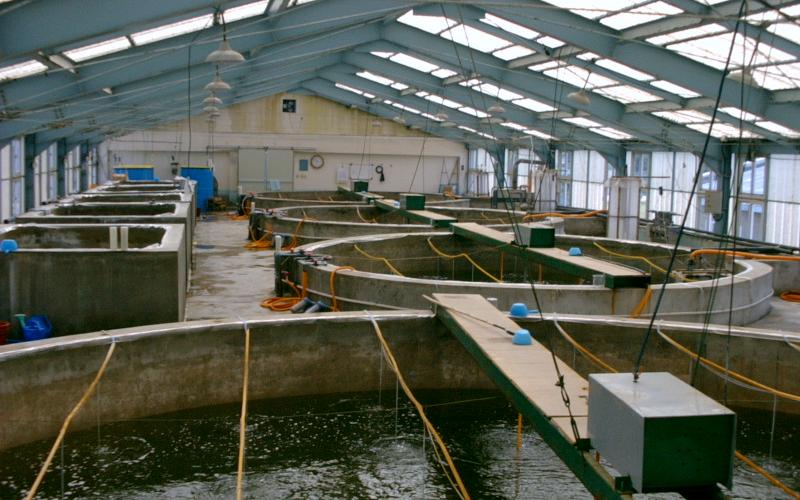
Selling Fish at a Farmers Market in South Dakota
This article was developed to address some of the questions around selling fish at the farmer’s market and to ensure that seller’s may be well-informed to ensure they are selling fish that meet regulatory requirements as well ensuring the product is safe.
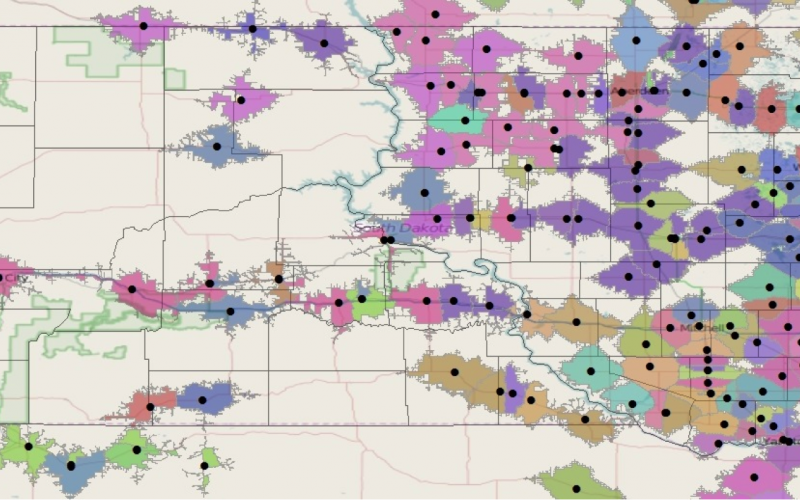
Grain Merchant and Processor Consolidation, Concentration, and Competition
A general trend in the last century has been for greater consolidation among Grain Merchants and Oilseed Millers and Processors. The U.S. Census Bureau tracks the number of firms and/or establishments and value of sales (market size) by industry sector every 5 years as a part of the Economic Census. In addition to the number of firms and sales, the Census Bureau publishes concentration ratios for each sector. One concentration ratio they publish is the amount of sales attributed to the four largest firms in that sector. The percentage of sales of the 4 largest firms is a measure that aids in identifying the type of market structure that exists.
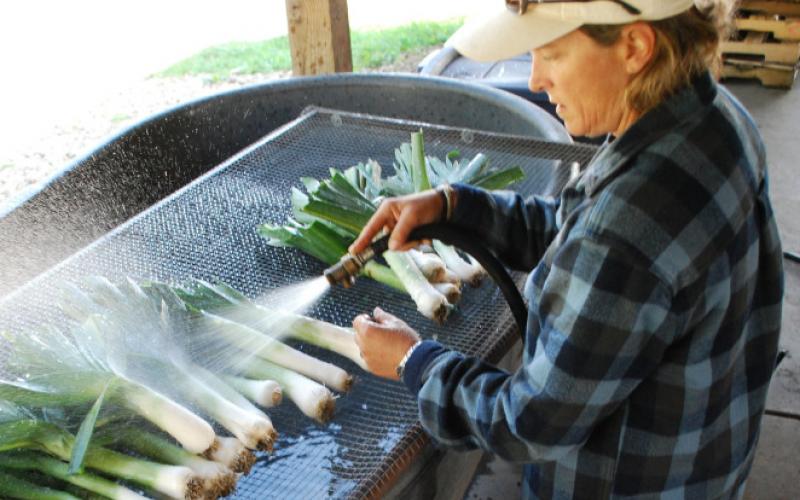
Food Safety Rules for Fruit & Vegetable Growers: FAQ
It seems rules and guidelines for growing fresh produce safely are constantly changing, as new laws and regulations are implemented each year.
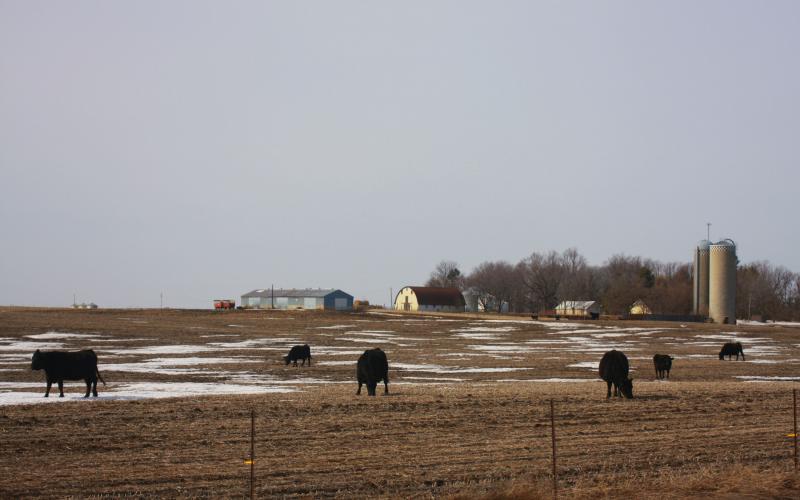
Considerations for Cull Cows
The last year was difficult to say the least, from a wet, muddy spring and late planting to an early, wet fall and difficult harvest. Unfortunately, for cow calf producers, the repercussions were seen during pregnancy detection this year, as the number of slaughter cows within the state were abundant due to open cows.
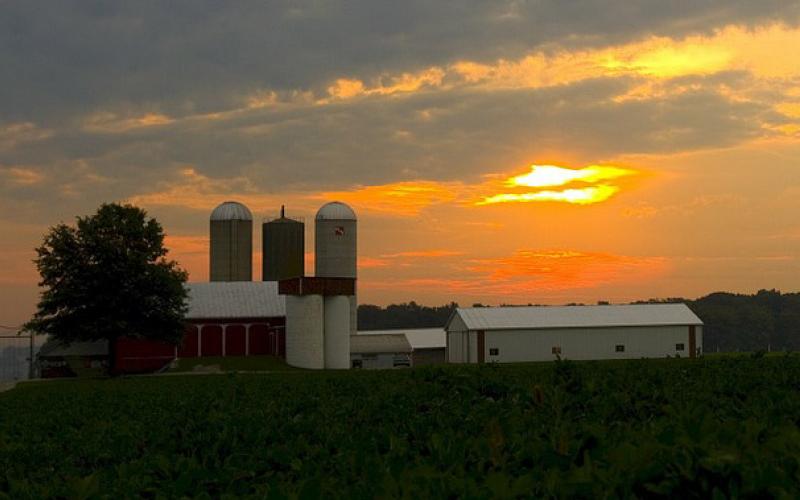
USDA-ARMS Survey Data: Benefits for university agriculture research & outreach
Conducted since the mid-1990s, the USDA Agricultural Management Resource Survey (ARMS) is a multi-phase, multi-level nationwide survey of agricultural producers that collects information on a large sample of farms and their characteristics.

Guidelines for Serving Samples at the Farmers Market
One way to increase sales at the farmers market is to offer samples. Vendors need to plan ahead to make sure they are in compliance with sampling regulations.
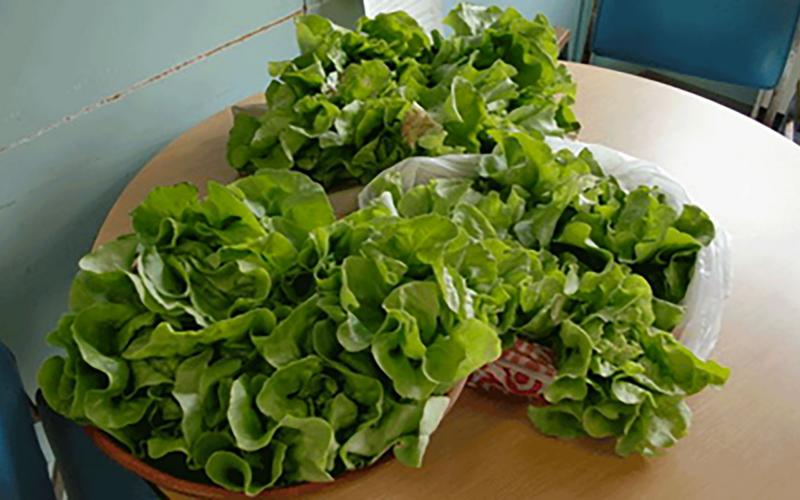
Best Practices When Harvesting Leafy Greens for Market and Home
The harvesting of leafy greens to maintain quality and safety focuses on the key risk factors from the time harvest begins to selling at market. The food safety risk factors involve temperature, time, water, worker hygienic practices, and food contact surfaces.