Search
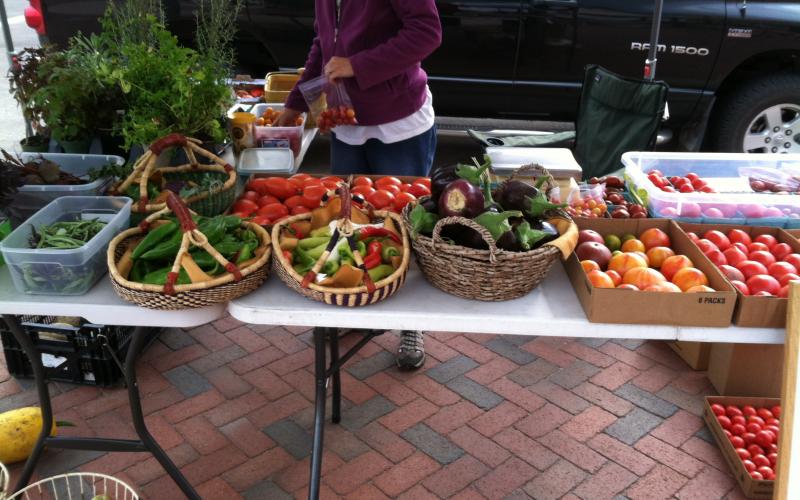
Farmers Market Food Safety: At the Market
Displaying food and produce safely requires attention to reducing the risk of contamination.
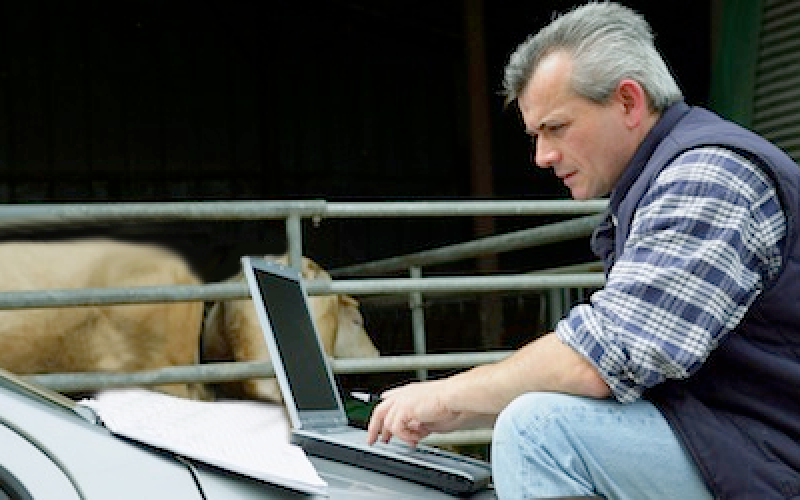
Opportunities for Open Cows
It’s that time of year when driving along the countryside or sitting in the sale barn cows start to show up with an “O” drawn on her side as the Veterinarian called her open on pregnancy check day.
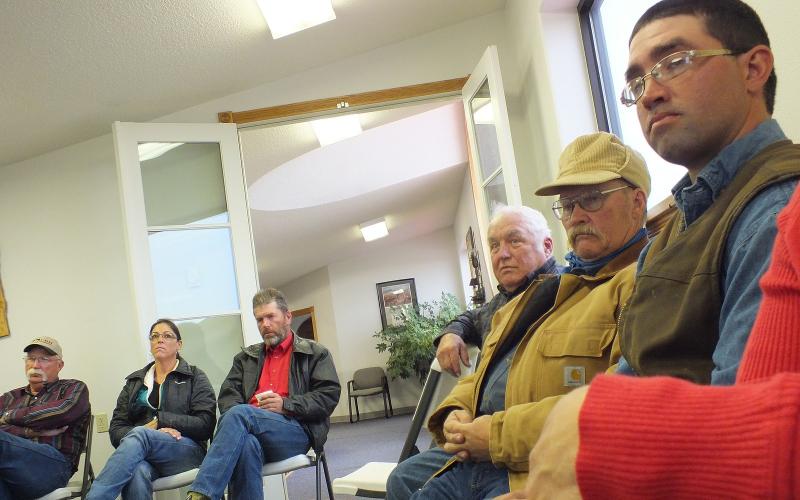
Choosing an Advisory Board
A board of directors is a vital part of the governance and constitution of many corporations. A board of directors is formally involved in the business and is legal responsible for the overall governance of the corporation.
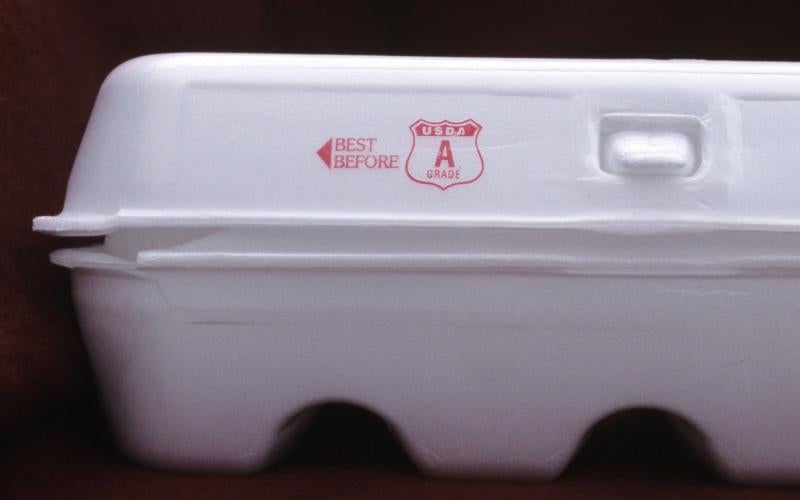
Selling and Distributing Eggs in South Dakota
If planning to sell eggs in the state of South Dakota, an egg dealer license must be obtained annually. The application for this license can be found and printed from the South Dakota Department of Agriculture’s Form Finder website.

Finding Females for the Cowherd
The type and kind of females chosen for your cowherd is an important decision that can have long-term implications and great impact on the economic viability of the operation.
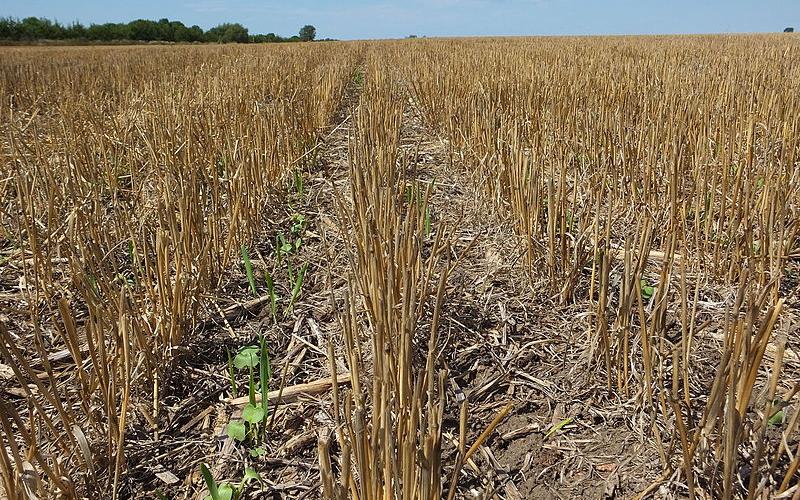
Cover Crop Adoption: Farmers’ perceived benefits & barriers
Cover crops are generally defined as crops planted between cash crops to cover and protect the soil. Some demonstrated benefits of cover crops include: reduced soil erosion, increased soil organic matter, increased biological variety, increased nitrogen supply, and weed control. Depending on the farmers’ objectives, different species of cover crops can be planted. For example, if a farmer’s main objective is to increase nitrogen supply, then legume cover crops best suited to the farm area should be selected.
Simplifying the Replacement Heifer Dilemma: To Buy or To Raise?
Purchasing or raising replacement females represents a significant investment for cow/calf operations and the impact may be felt for years after.
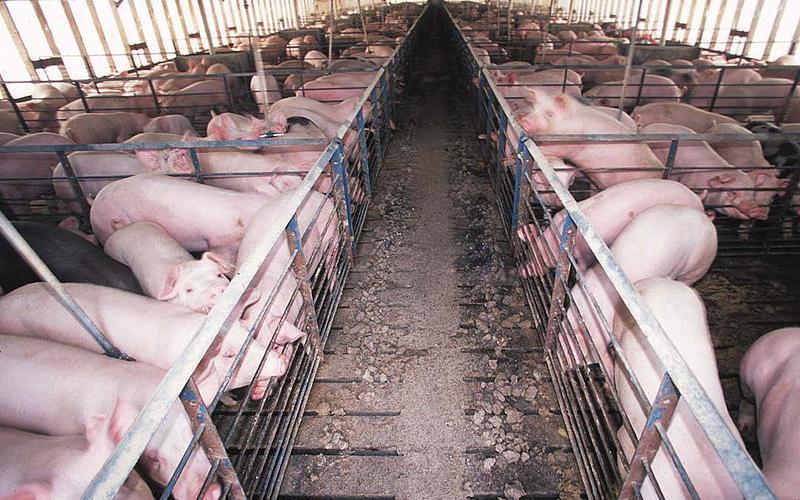
Pig Barn Turnover Rates: Challenges & Costs
Employee turnover is inevitable, but how managers respond to it and learn from it determines the resiliency of a pig barn’s future and the level of productivity that is achieved.

Valuing High-Moisture Corn and Earlage
A key advantage to using commodities that meet standard specifications and are frequently traded is that it is very easy to establish an economic value that is accepted by most users. The marketplace sets the value of corn, and other feedstuffs on a daily basis, provided those products meet some set of standard specifications.
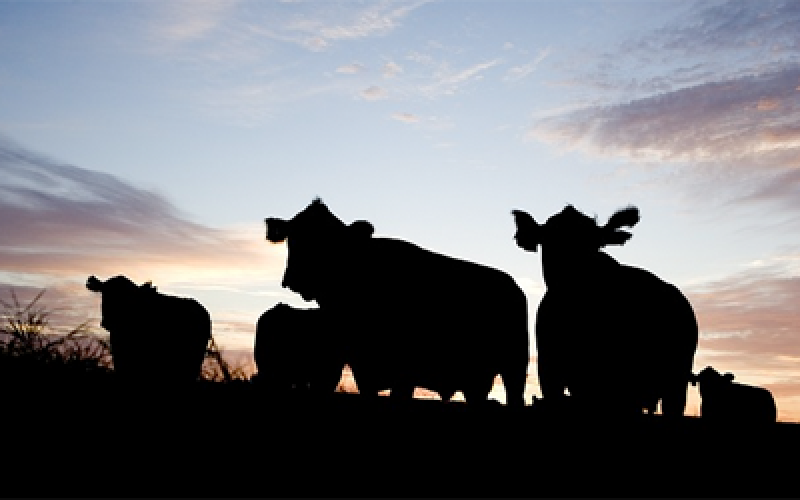
Economic Impact of the Beef Industry on South Dakota
The beef industry in South Dakota makes a significant contribution to economic output and development in the state. As of January 1st, 2012 there were 1,610,000 beef cows in South Dakota. These cows produced 1,710,000 calves during the year and the industry produced an estimated $2,283,766,027 in gross income during 2012 (South Dakota Agriculture 2013).