Search
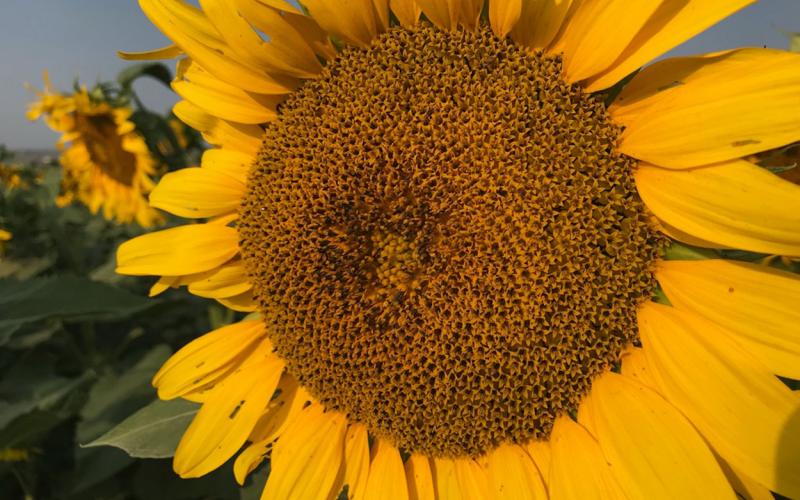
National Sunflower Association 2021 Sunflower Survey
Volunteers from private industry and SDSU Extension will soon be visiting South Dakota sunflower fields to participate in the biennial sunflower survey. The survey aims to evaluate yields and production practices along with pest pressure from weeds, insects, diseases and birds.
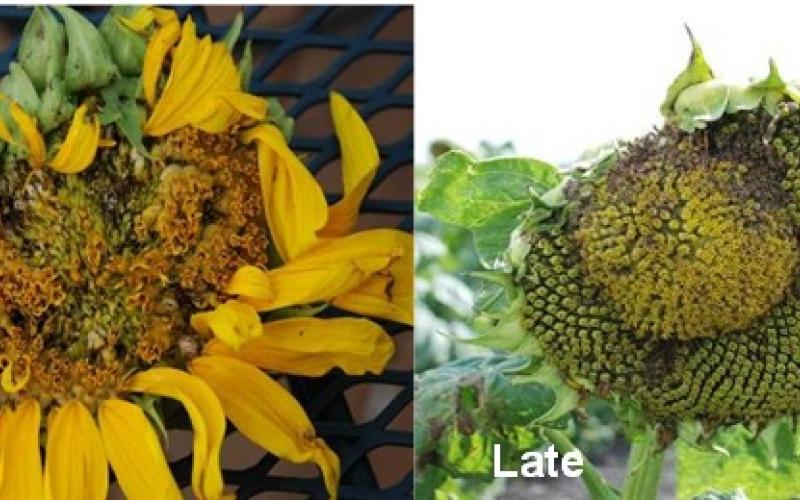
What Are Those Small Brown Things Sticking Out of Sunflower Heads?
A few days ago, I received a couple of calls about small orange/tan colored sacs sticking out of sunflower heads and small black spots on heads. The brown structures are sunflower seed maggot pupae and the damage described is caused by its larvae.
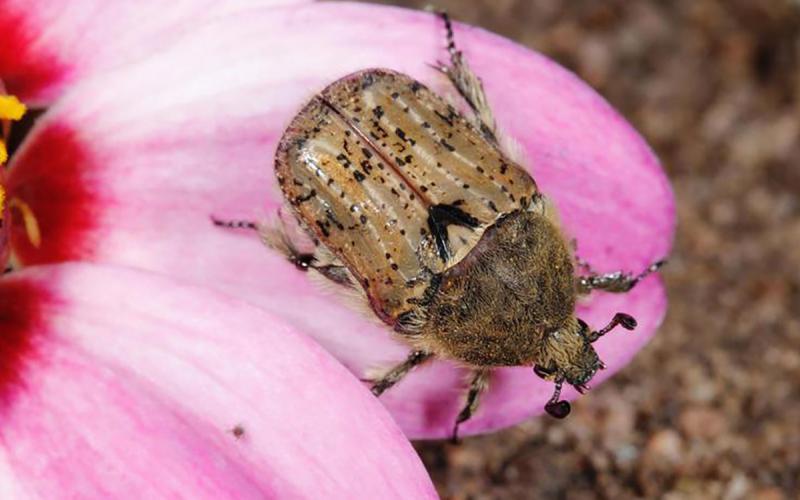
Bumble Flower Beetles Are Here
One of the insects that starts to attract attention this time of year are the bumble flower beetles. These large and noisy beetles somewhat resemble June beetles, but they show up later in the season.
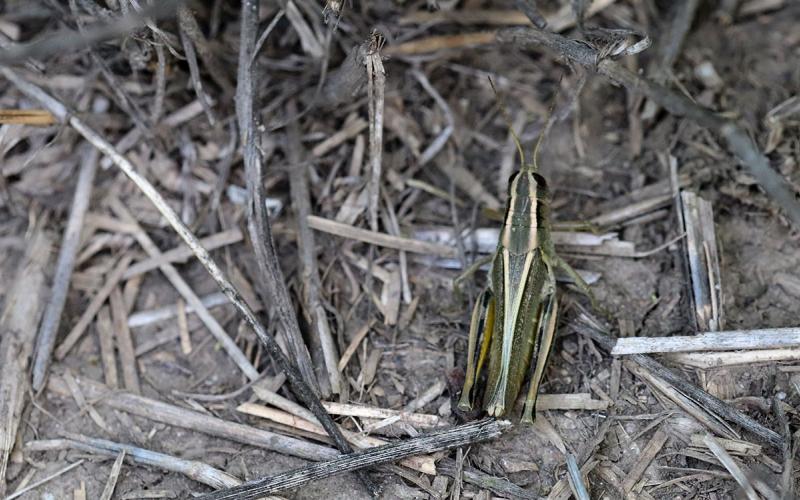
Grasshoppers in Gardens
Due to large populations and dry conditions, grasshoppers are moving into gardens and feeding on whatever they can find. In a normal year, grasshoppers can be a nuisance in a garden, but during an outbreak year, they can present a real threat to gardens, shrubs and small trees.
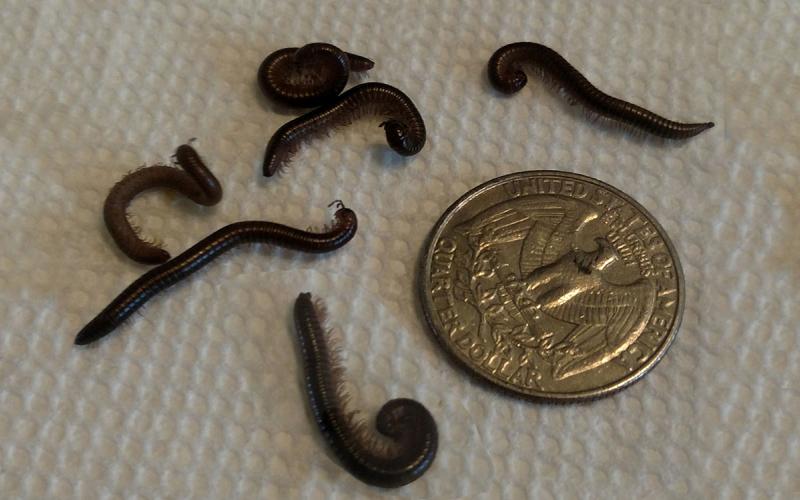
Millipedes in Yards and Homes
During late summer and early fall, millipedes are typically a hot topic as they are observed moving into homes, sheds and other outbuildings. When found indoors, they are considered accidental entrants, as they are not able to reproduce indoors and will eventually die.

Picnic Beetles and Multicolored Asian Ladybeetles Bothering Produce
Ripe fruit that has been injured can attract undesirable insects into your garden. Some of these insects will feed on the produce, which can completely ruin it by increasing the rate of decay and make it unappealing.
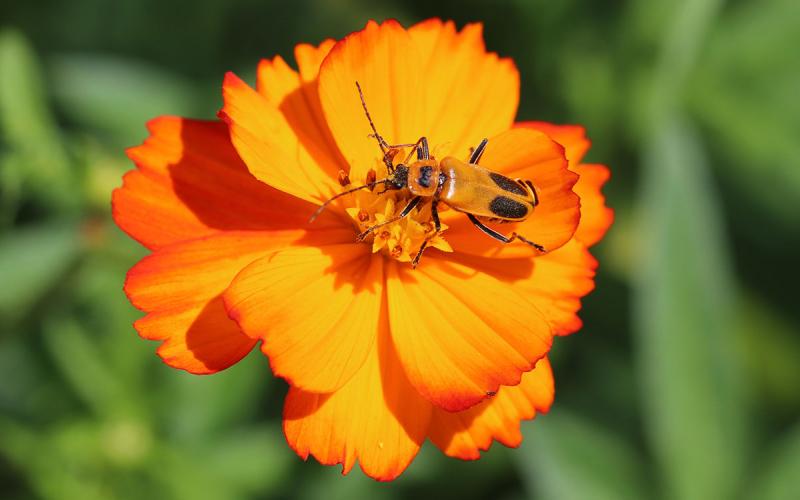
Soldier Beetles Visiting Flowers
Flowers in many gardens are currently being visited by soldier beetles. While these orange beetles have a strong preference for flowering plants, they are predators and pollinators and don’t pose a threat to your garden.

Scout for Corn Ear Rots
Several corn fields scouted in northeastern South Dakota counties were found with ear rots. Ear rots were mostly prevalent in areas that experienced hailstorms in the recent past. Ear rots in corn are caused by a few fungal pathogens, and which ear rot develops depends on the weather conditions.

Chlorpyrifos Tolerances Revoked by U.S. Evironmental Protection Agency
In August 2021, a final rule was released by the U.S. Environmental Protection Agency for the insecticide active ingredient chlorpyrifos. The rule revoked all tolerances for chlorpyrifos.
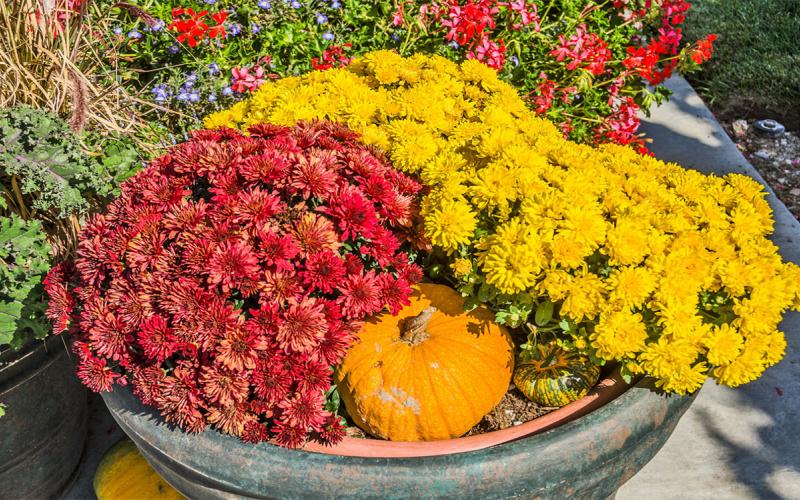
Bring New Life to Worn-Out Summer Containers: Ideas to Fall in Love With
With just a bit of imagination and a little time, your worn-out summer containers can gain new life with a variety of cool-season flowers and plants that come in brilliant fall colors!