Search

Cedar Trees and Rangeland Loss
The issue of cedar tree invasion into South Dakota’s rangelands tends to be a regional conversation. There is generally broad agreement among most resource professionals that these trees are in fact changing our landscape in a negative way.
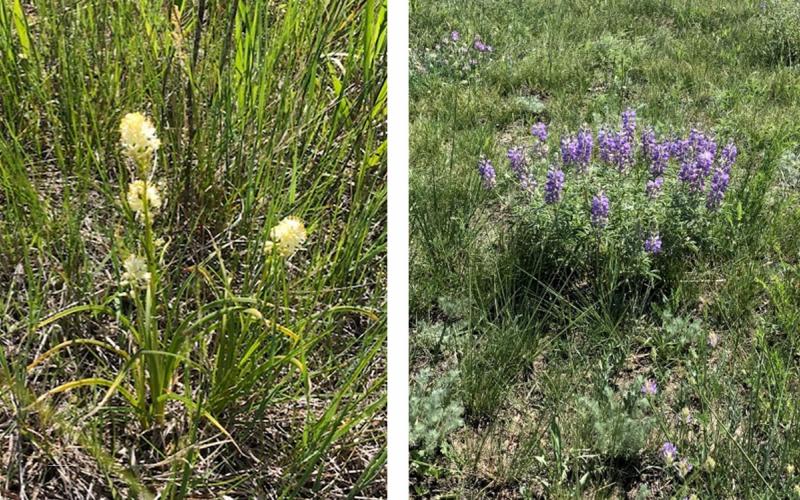
Poisonous Plants on Rangelands: Deathcamas and Lupine
With prolonged drought conditions throughout many areas of South Dakota, there is an increase of invasive weeds and poisonous plants on rangelands. Identification of poisonous plants is crucial to ensure livestock production is not compromised.
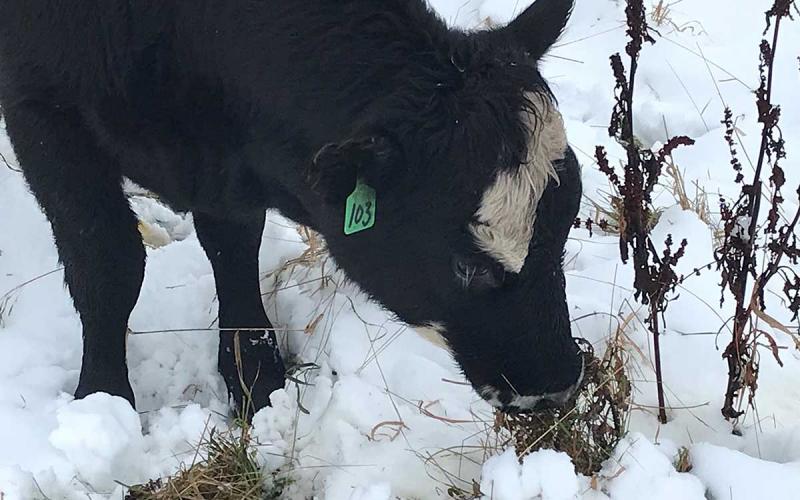
Plan Now to Control Weeds With Grazing Next Season
Livestock will graze Canada goldenrod, Canada thistle and perennial sow thistle. At certain times of the year, these plants have crude protein, total digestible nutrients, and invitro dry matter digestibility concentrations similar to alfalfa and other common forages.
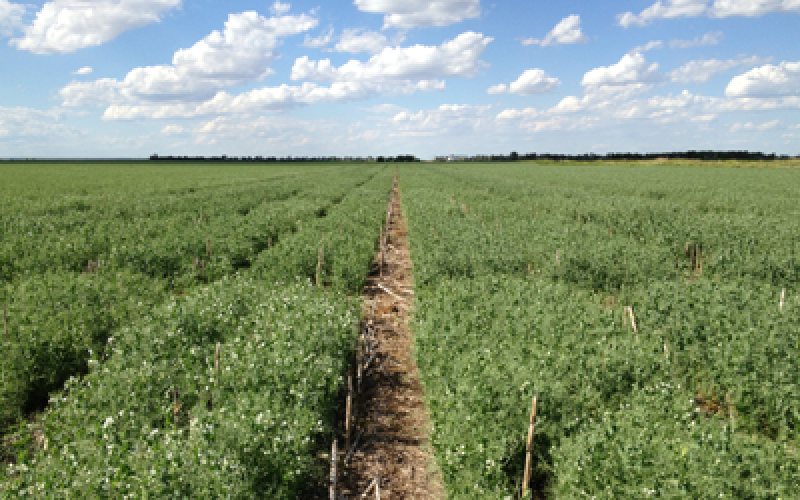
Weed Control: Pulse Crops
Weed competition can cause significant yield reduction in pulse crops. Pulse crops are weak competitors with weeds, therefore planning an effective weed control program is one of the keys to profitable production.
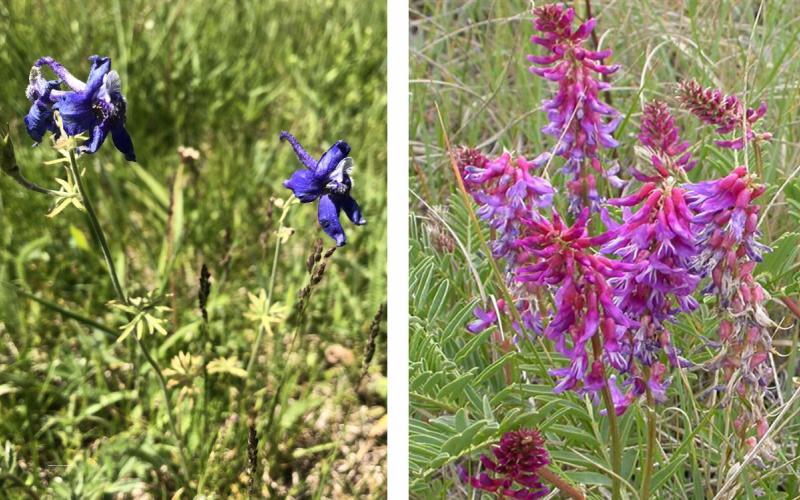
Poisonous Plants on Rangelands: Larkspur and Poisonvetch
Larkspurs are the second leading cause for all livestock deaths from toxic plant poisoning. Poisonvetches are considered accumulator plants that uptake excessive levels of selenium and cause toxicity problems in cattle.
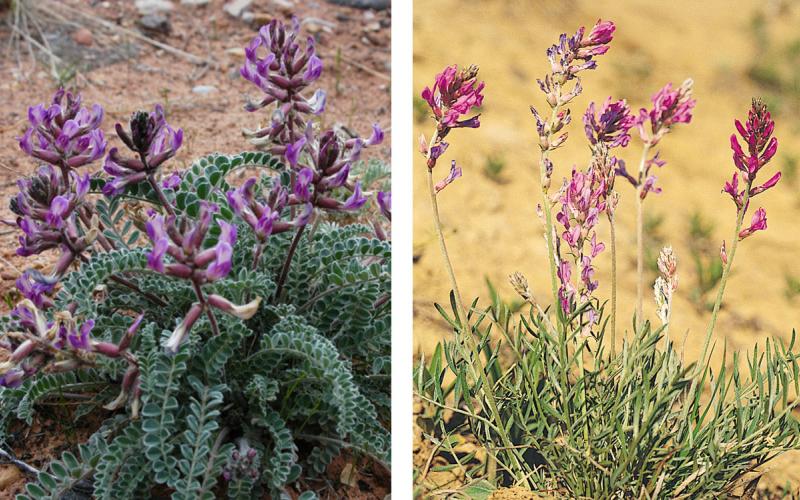
Poisonous Plants on Rangelands: Locoweed and Crazyweed
Locoweed and crazyweed are found throughout South Dakota rangelands, and both can cause livestock poisoning.The names locoweed and crazyweed are often used interchangeably. However, there are notable differences between the species.
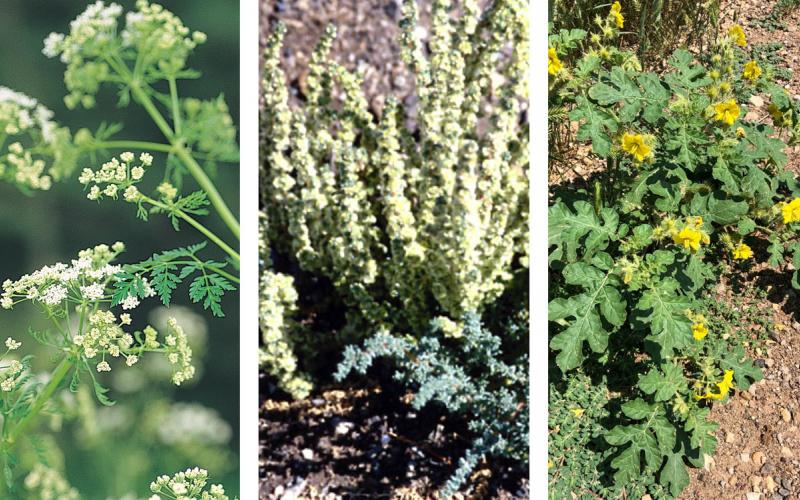
Poisonous Plants on Rangelands: Hemlock, Halogeton and Buffalo Bur
Several species of poisonous plants are invasive and can easily establish dense stands when there is a disturbance on rangelands. Hemlocks, halogeton and buffalo bur can all be found throughout South Dakota and are toxic to livestock.
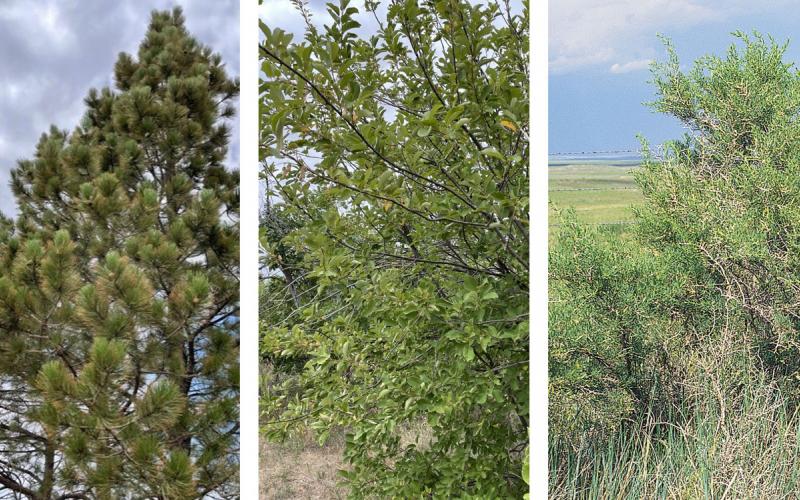
Poisonous Plants on Rangelands: Woody Species
Several woody plant species that are poisonous to livestock are found throughout South Dakota rangelands, including ponderosa pine, chokecherry, greasewood and broom snakeweed.
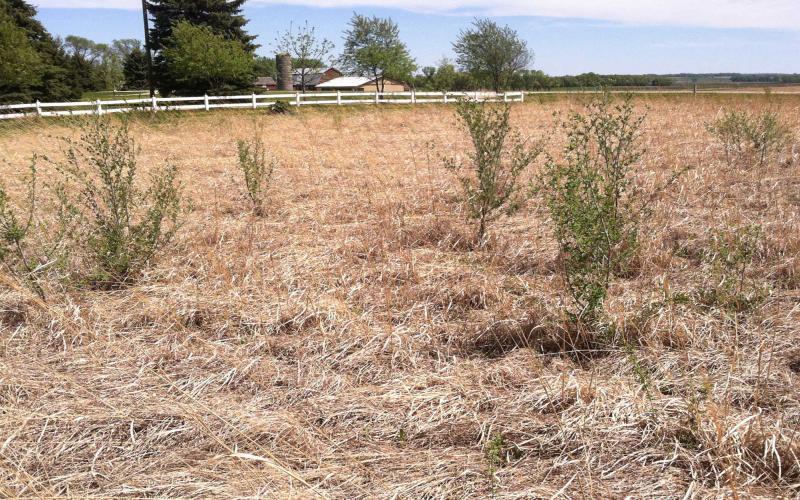
Removing Young Trees From Grasslands Will Save Money and Effort
Volunteer trees can hinder the development of desirable wildlife habitat and livestock resources. Early control of volunteer woody species is the simplest and most cost-effective option for maintaining open grassland habitats.
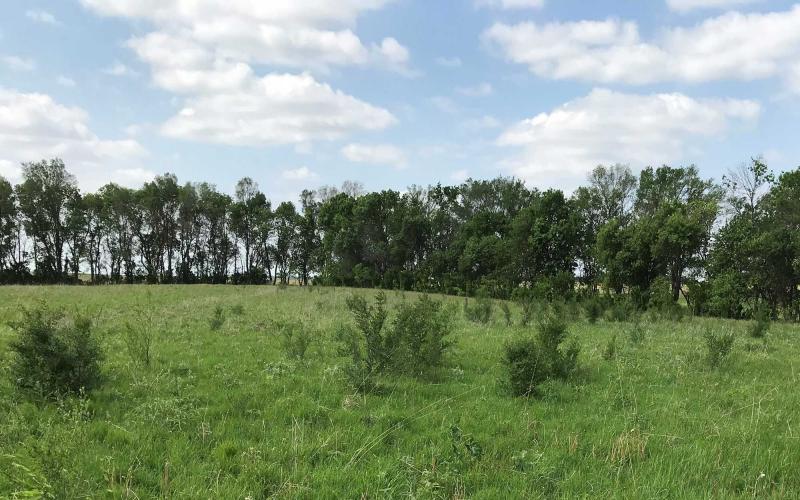
Removing Mature Shelterbelts From Grasslands
Under what circumstances would removal of mature shelterbelts be warranted? This is a common question often asked in wildlife and conservation circles.