Search
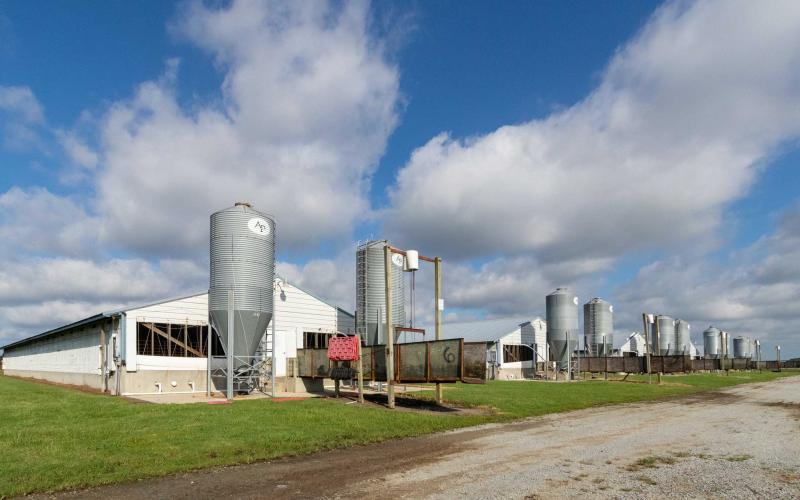
South Dakota pork producers have a chance to tell their story
March 14, 2023
South Dakota State University Extension is encouraging South Dakota hog farmers to join the Your Farm Sustainability Report, a Pork Checkoff-funded project.
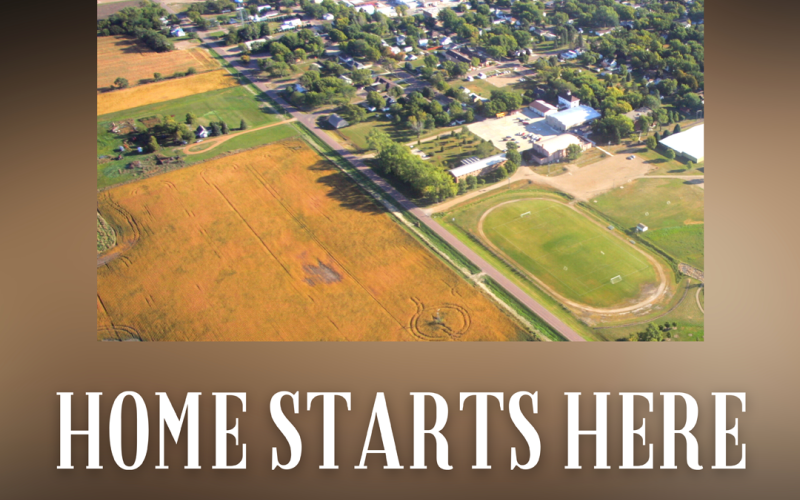
SDSU Extension Community Vitality launches new podcast, ‘Home Starts Here’
December 18, 2023
The South Dakota State University Extension Community Vitality team is proud to announce the launch of their new podcast, "Home Starts Here". For its fourth episode, there will be a live recording of “Home Starts Here” at 1 p.m. on March 25 at the Heritage Hall Museum complex during the 2023 Schmeckfest festival in Freeman, South Dakota.

SDSU Extension program leader receives Society for Range Management Fellow Award
March 13, 2023
The Society for Range Management recently named SDSU Extension Agriculture and Natural Resources Senior Program Leader Sandy Smart a 2023 Fellow Award winner.
Northern Plains Forage Association hosting free meetings during Central Plains Dairy Expo
March 13, 2023
The Northern Plains Forage Association informational meeting is from 2 to 3 p.m. March 29 and 30 during the Central Plains Dairy Expo at the Denny Sanford Premier Center in Sioux Falls, South Dakota.
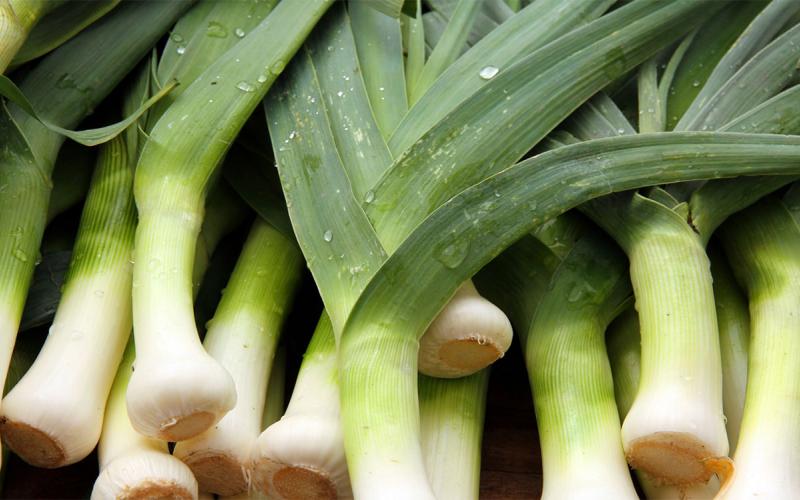
Leeks: Harvest and Storage
Leeks are a cool-season garden vegetable similar to onions. Learn how to select, grow, harvest and store them with this helpful guide!
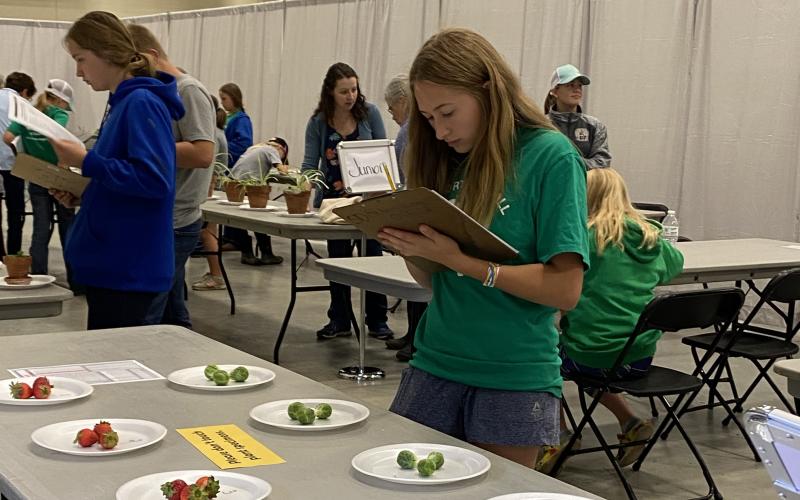
4-H Bounty
4-H Bounty is a monthly club guide that focuses on leadership activities, community service, youth-in-action and specific project areas, as well as prepares youth and their families for county and state events.
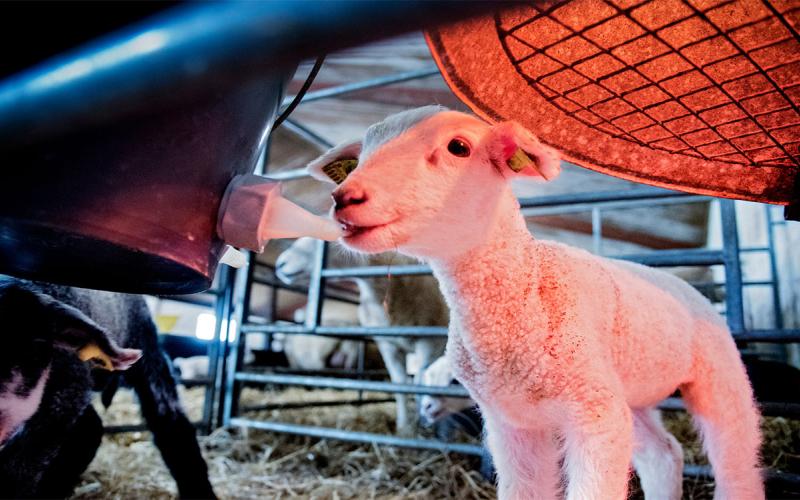
Electrical Safety in the Barn
From heat lamps to extension cords, learn some important fire safety considerations when electricity is used to warm up your barn during lambing and kidding season.
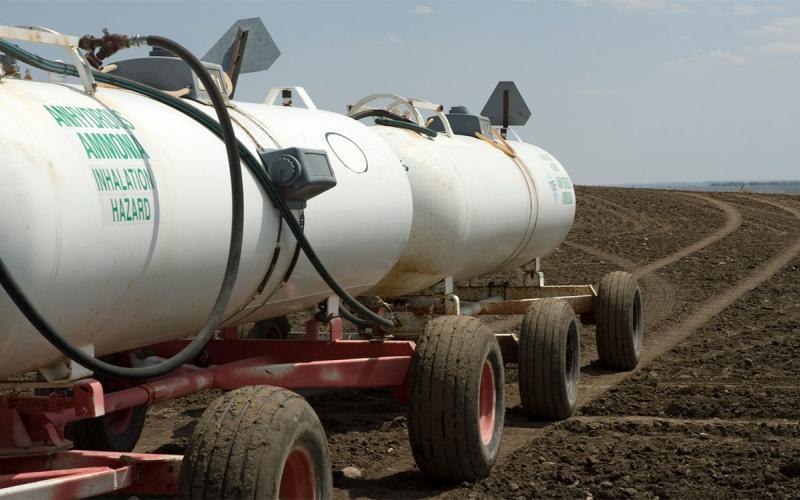
Updating Corn Nitrogen Fertilizer Rate Recommendations in South Dakota
Fact sheet updating corn Nitrogen Fertilizer Rate Recommendations in South Dakota.
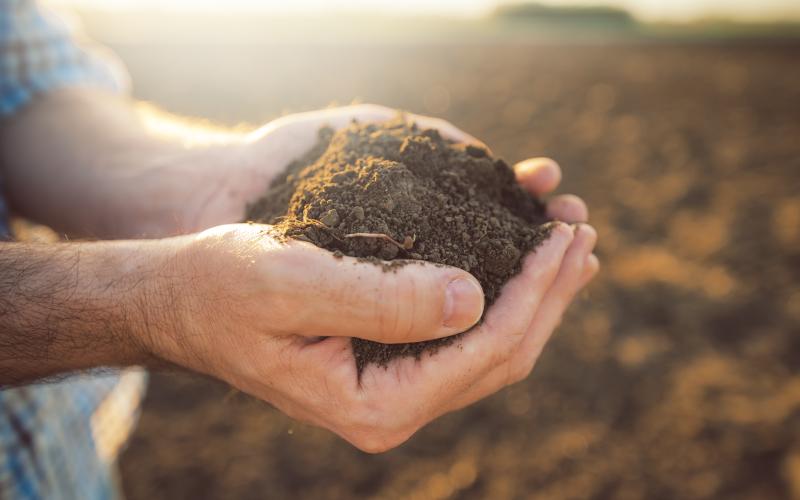
South Dakota Fertilizer Rate Guidelines Calculator for Corn, Soybean, and Wheat
Calculator for Fertilizer Guidelines for Corn, Soybean and Wheat in South Dakota
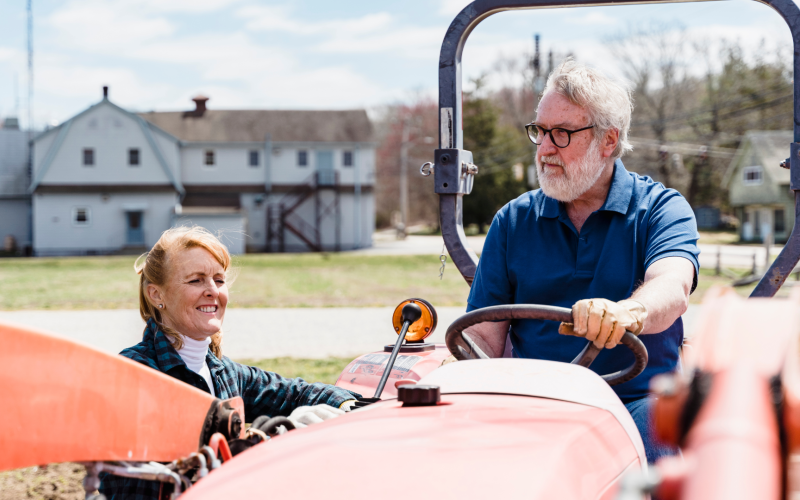
Caregiving for Rural Families
SDSU Extension developed a course called Caregiving for Rural Families. This self-paced course is designed to help rural people learn about long-term services support, how to help someone with routine tasks like bathing or brushing teeth, and how caregivers need to prepare for emergency situations.