Search
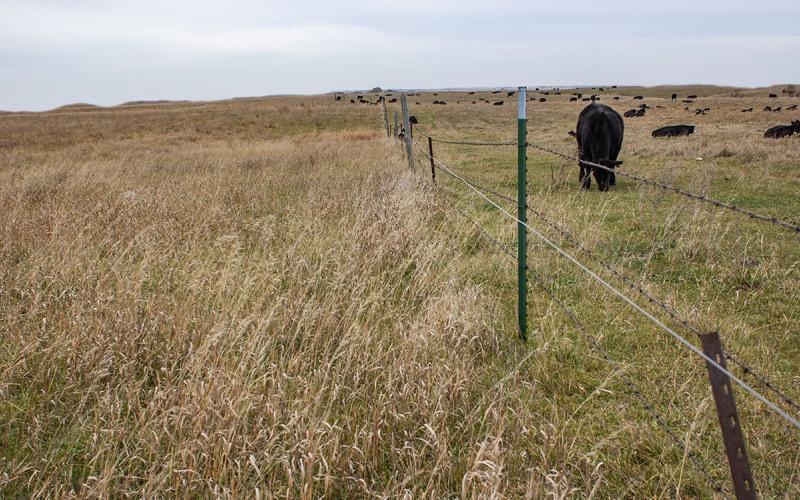
Reading the Range: Range readiness, grazing timing and drought considerations
Grazing timing is key when managing rangelands during a drought. Learn how to determine grazing readiness for different plant communities found throughout pastures and rangelands.
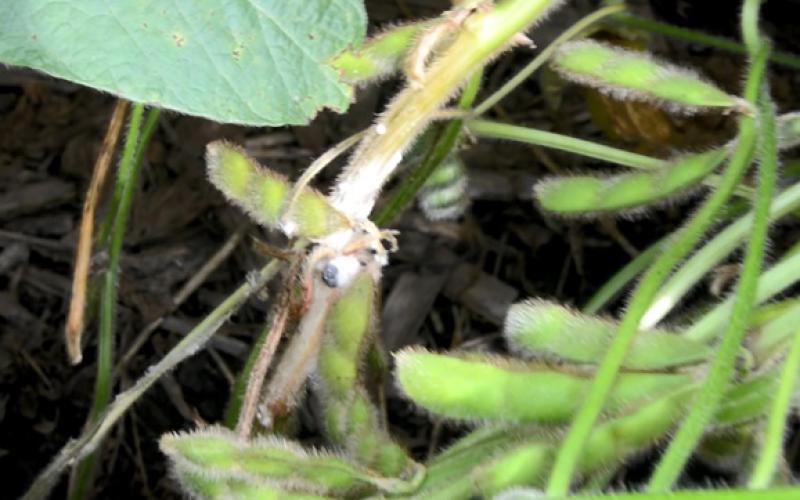
White Mold Development: Is your soybean field at risk?
According to USDA-NASS crop progress report for the week of July 17, 49% of the soybeans in South Dakota are at flowering. The flowering growth stage is also the time when white mold infection is initiated. The white mold pathogen infects the soybeans through the flowers that are senescing after pollination.
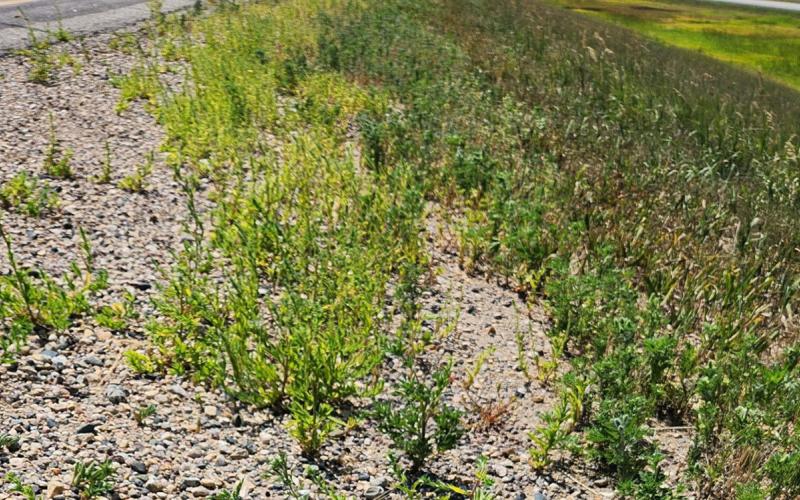
Late-Season Weed Management
At this time during the growing season, many herbicides cannot be applied to crops in the reproductive growth stage. However, weed management can still be implemented. Learn some expert tips for controlling late-season weeds.
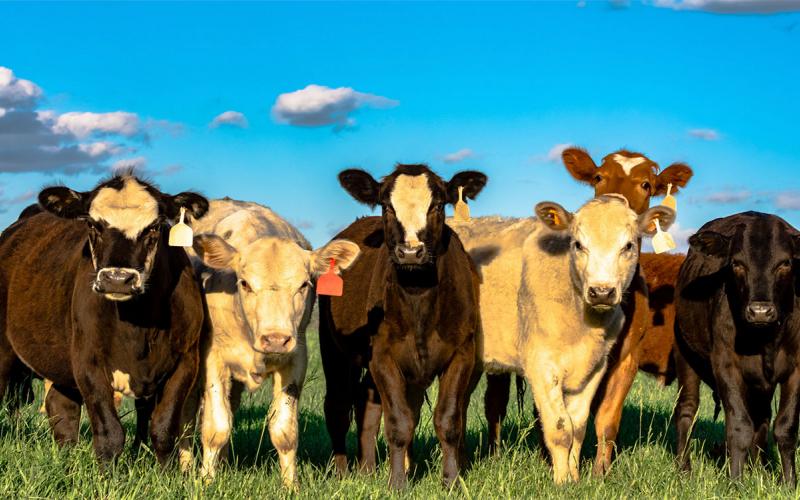
Synchronization for Natural-Service Breeding Programs
Similar to synchronization with artificial insemination, the benefits associated with natural-service synchronization are similar: a concise calving distribution with the potential for heifers to be serviced twice in about 30 days versus twice in 40 days.
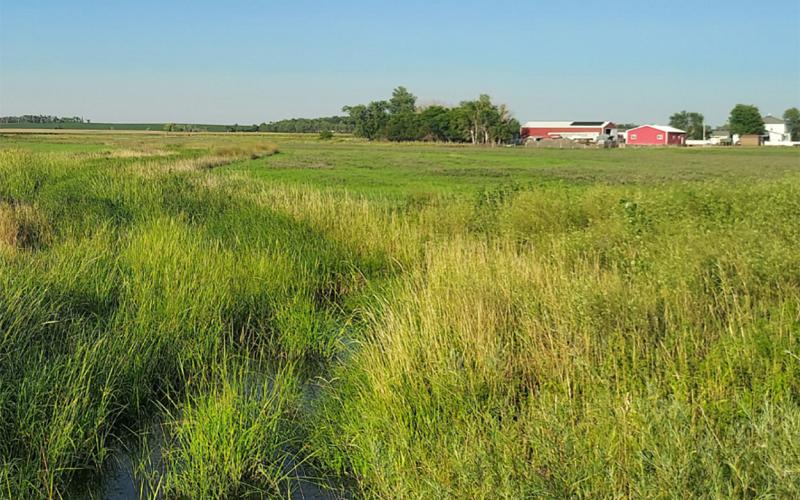
2023 Marks the 10-Year Anniversary of the Seasonal Riparian Area Management Program
The Seasonal Riparian Area Management program has partnered with landowners to maintain healthy riparian areas to address common water resource concerns and improve water quality in streams, rivers, and lakes within the Big Sioux River watershed.

Creating Management Zones Using Electrical Conductivity
The first step to practicing zone management is to identify the variations that control yield. There are various methods for characterizing soil variations within a field, and among them, electrical conductivity measurement is one of the most-reliable.
![Two young girls enjoying healthy snacks after school. Courtesy: Bob Nichols, USDA [CC BY 2.0].](/sites/default/files/styles/teaser_800x500/public/2019-11/W-00442-00-school-healthy-snacks-nutrition.jpg?h=3fe45f0e&itok=WNdc7ae0)
Fueled for Fun!
This activity is appropriate for Pre-K-2nd grade (ages 4-7) and can be used by classrooms, small groups, or individuals.

Baby-Led Weaning: An Overview
You may hear parents or some healthcare providers talking about baby-led weaning, but what is it?

Let’s Break Down the Nutrition Facts Label
The Nutrition Facts Label is a great tool to learn more about the ingredients and nutritional value included in a food product. Let's take a further look at what you will find on it!
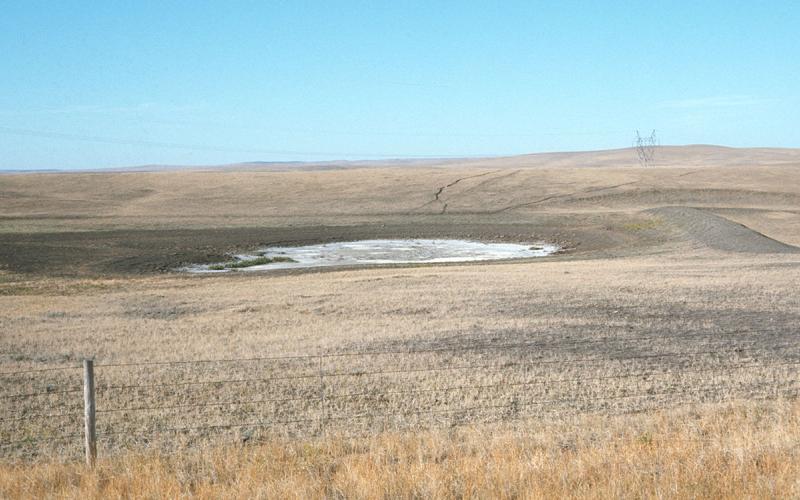
Can You Break the Hydro-illogical Cycle?
Regardless of the time of year, it is critical to start thinking about the next drought before we are in it. Learn some key strategies for breaking the Hydro-Illogical Cycle by leveraging drought motioning resources and creating a plan for your operation.