Search
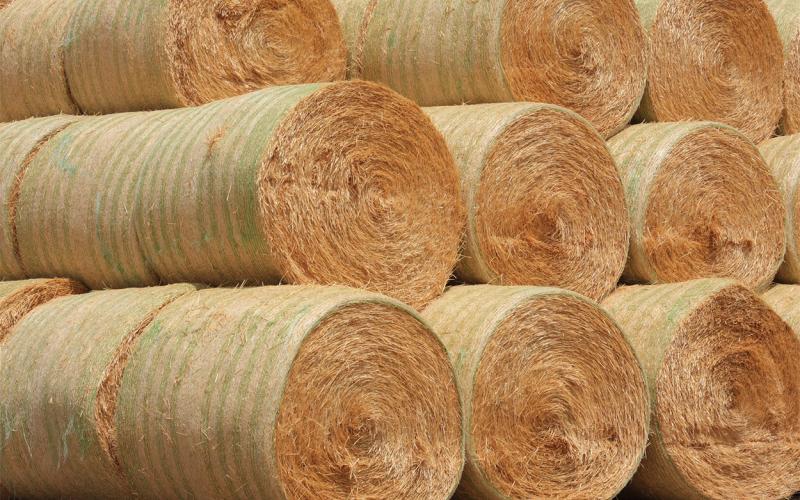
Cost-effective and Balanced Cow Rations
Before buying "cheap" feed, it is important to ensure that it will be cost-effective when creating balanced rations for the winter. Learn some things to consider before purchasing.

The Economic Advantages of No-Till: Diesel Fuel
While no-till and conservation systems are often discussed for their soil health benefits, the economic advantages are becoming increasingly important in today’s farm economy, particularly when it comes to fuel costs.
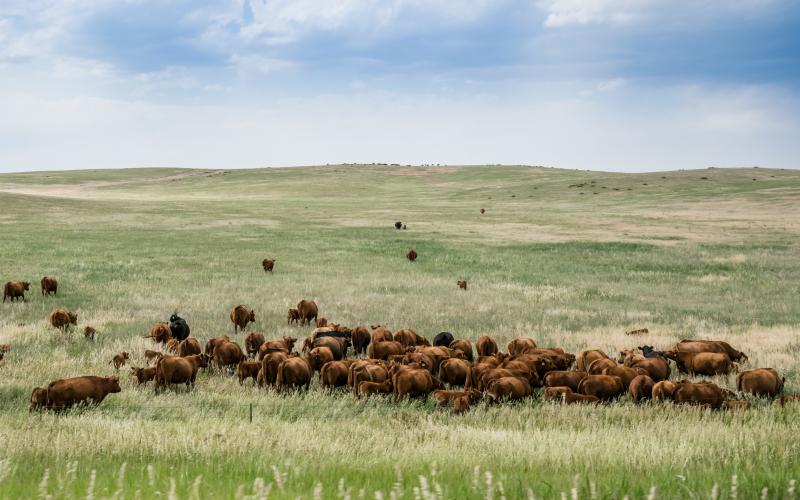
Beef
Home to more than 1 million head of cattle, South Dakota’s producers can rely on SDSU Extension for research-based information, best management practices and resources to support healthy and profitable herds.

Planting Projections 2020
South Dakota producers recently indicated they plan to plant 12.9 million acres of corn, soybeans and wheat in 2020, plus an additional 620,000 acres of sunflowers, 345,000 acres of oats and 45,000 acres of barley, as well as 270,000 acres of sorghum and 11,000 acres of dry edible peas.
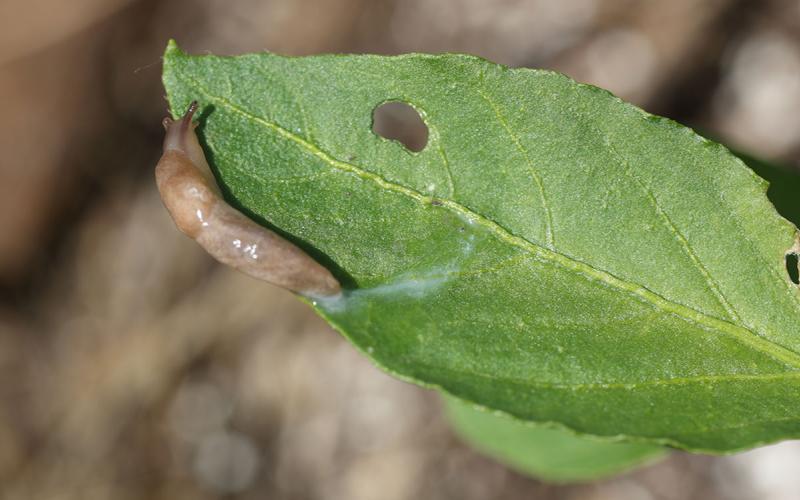
Slugs: The Slimy Defoliators
Have you noticed defoliation in your garden accompanied by distinct trails on plant leaves? The culprit could be slugs, a common pest that can be found during during cool, wet weather and in certain garden micro-climates.

SDSU Hosts South Dakota Aquatic Invasive Species Citizen Monitoring Workshop
On August 10, 2023, the South Dakota Lakes and Streams Association, in conjunction with SDSU Extension, and the University of Minnesota held the inaugural South Dakota Aquatic Invasive Species Citizen Monitoring Workshop.

Caregiving for Rural Families
SDSU Extension developed a course called Caregiving for Rural Families. This self-paced course is designed to help rural people learn about long-term services support, how to help someone with routine tasks like bathing or brushing teeth, and how caregivers need to prepare for emergency situations.

SDSU Extension to host emerald ash borer meetings
June 25, 2025
South Dakota State University Extension will host public meetings about the emerald ash borer in Watertown and Milbank following the insect’s discovery in those communities.
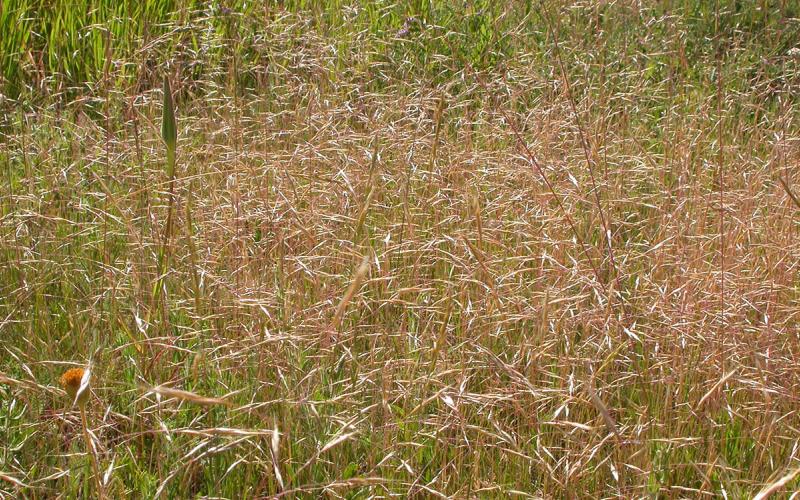
Be on the Lookout: Ventenata
Ventenata is an invasive annual grass that's an emerging threat to South Dakota rangelands due to its ability to exclude desired native species. Learn how to identify, report, and manage it before it becomes a problem in your area.
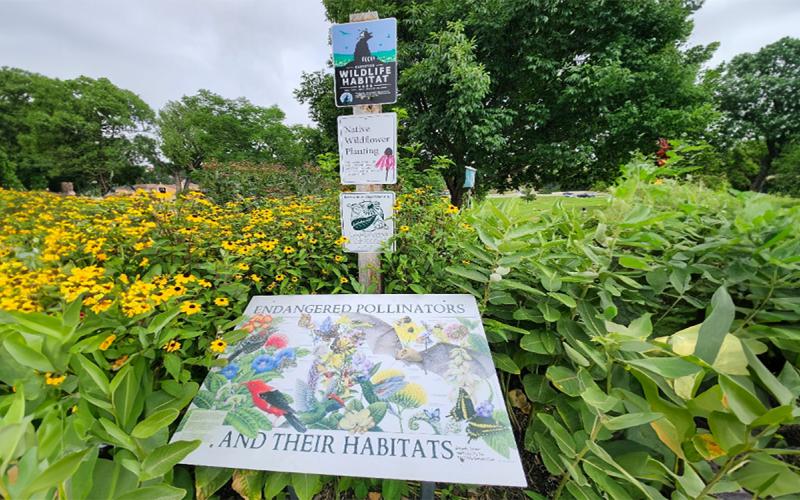
Funding Opportunities for Small-Scale Pollinator Habitats: A Guide for Urban and Home Garden Projects
Learn about some of the many funding opportunities available for urban pollinator habitat projects of all sizes and scopes.