Search
Plant Care
Perseverance: An Important Skill Learned in 4-H
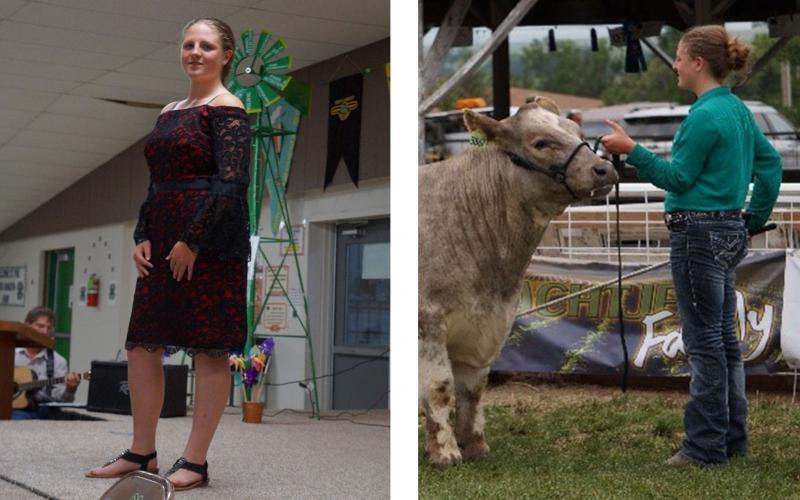
Maggie DeMers is a member of the Clovervale 4-H Club in Tripp County, S.D. Through 4-H, she has influenced many people with her passion, learned skills and shared experiences.
HG Type Testing: A Management Strategy for Soybean Cyst Nematode Control
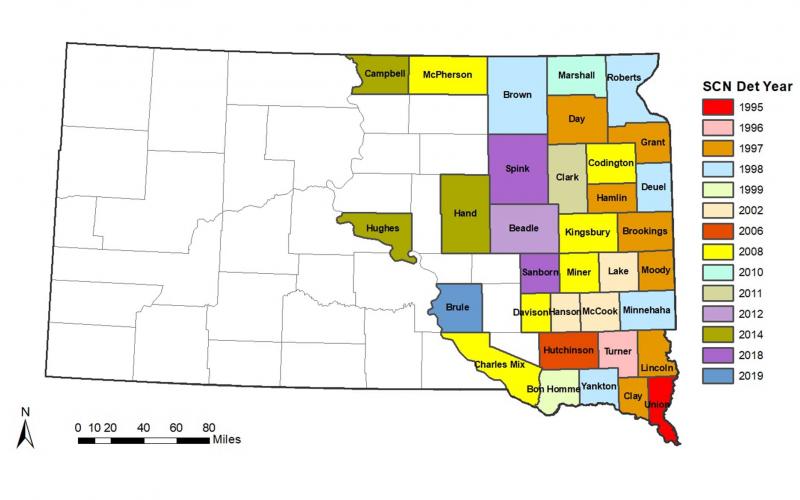
Have you noticed lower soybean yielding areas in your field? Soybean cyst nematode may be to blame. Fall, and especially after soybean harvest, is the best time to sample soil and have it tested for soybean cyst nematode.

Workforce Development
SDSU Extension's Workforce Development course is designed to provide a suite of workforce development resources for employees to complete at their own convenience.
Understanding Grazing Behavior in Cows: The Role of Forbs in Their Diet
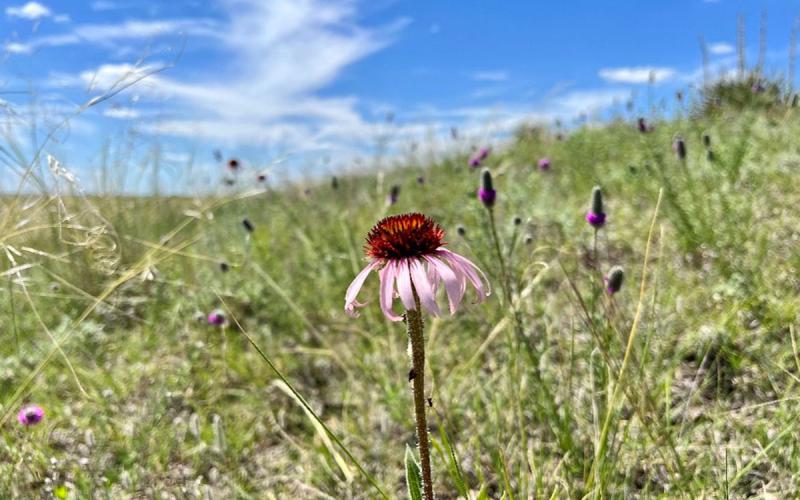
By understanding and managing the role of forbs in pastures, livestock managers can improve the health and productivity of their herds, while promoting sustainable pasture ecosystems.

South Dakota 4-H Recognizes Volunteers at 2021 State Fair
August 19, 2021
Each summer, individuals who have made significant contributions to county or state 4-H programming are honored through the 4-H Volunteer Hall of Fame.
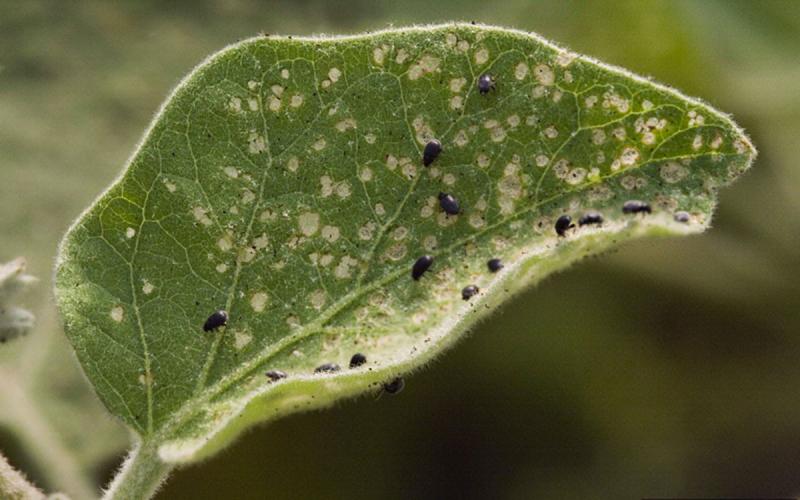
SDSU Extension welcomes new plant pathologist
August 12, 2025
South Dakota State University Extension is pleased to welcome Cody Molnar as a new Horticulture Plant Pathology Field Specialist.

Advance Care Planning for Rural Families
Did you know that only one out of every three South Dakotans have filled out an advance directive? Check out this article to learn more about preparing your own advance directive.

4-H Energy for Farm, Home & Transportation Project
Energy is a property that allows objects to move, affect others, or change temperature. There are various forms of energy including electrical, mechanical, chemical, thermal, or nuclear. Energy can be transformed from one form of energy to another but it is never lost.
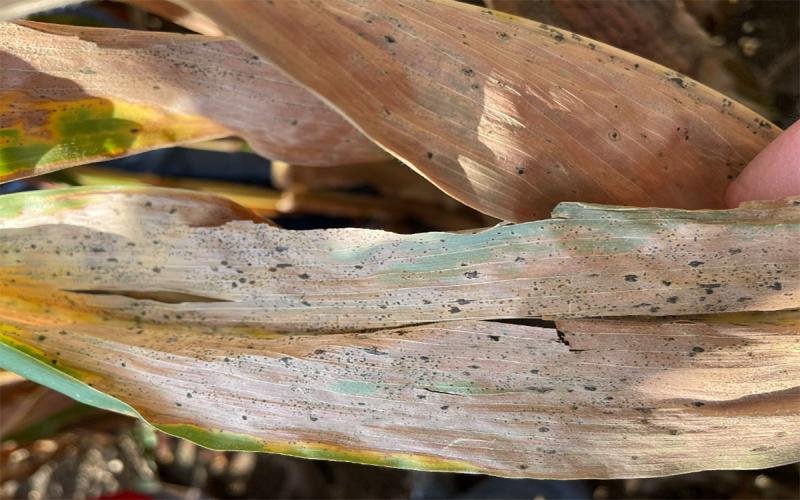
South Dakota Tar Spot Update: November 8, 2024
In late October, tar spot was identified on dried field corn being sold for decoration at a big box store in eastern South Dakota. This fungal disease can be identified by the black lesions that are on both sides of the leaf.