Search
Nutritional Needs Prior to Calving
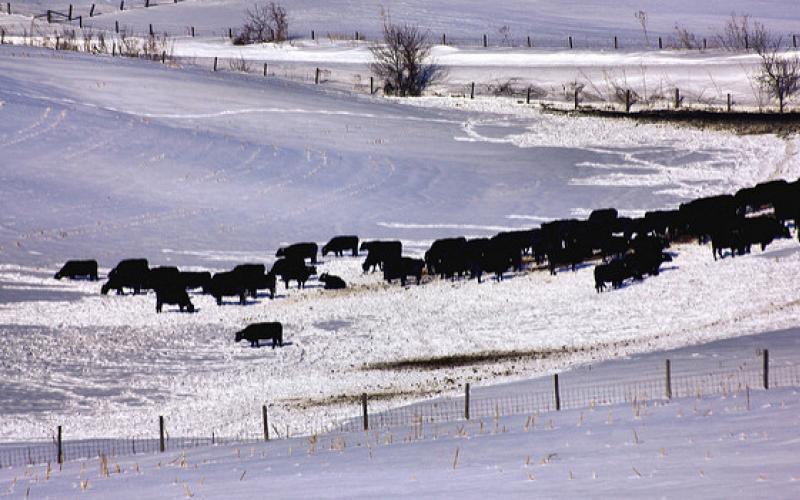
Nutrition during late gestation plays a large role on the future calf as well as the dam. It is during the last 60-90 days of gestation, or the pre-calving period, that impacts the calf’s survivability, long-term health and overall production.
Standing Corn Considerations
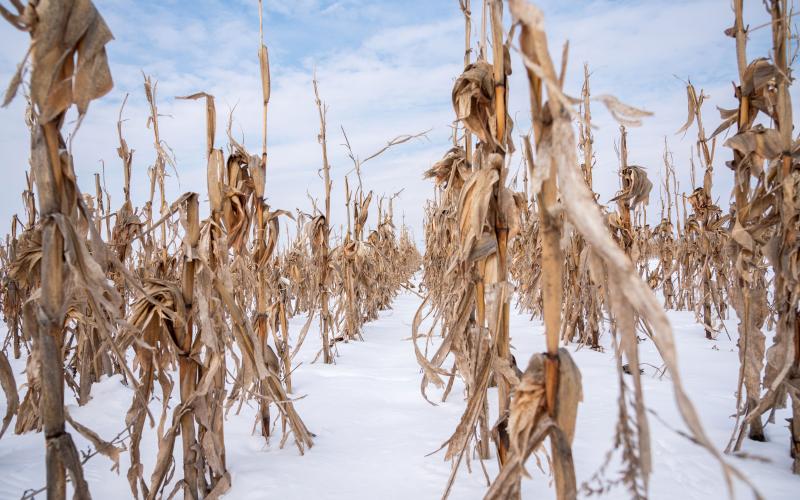
The January 2020 South Dakota Crop Progress Report indicated four percent of S.D. corn acres remain in the field. Given the record rainfall of 2019, current snow pack levels and the 3-to-6-month precipitation forecasts, farmers will likely be dealing with a wet spring in 2020, thus making the removal of those acres important but hard to accomplish.

Nursery Pig Performance Impacted by Total Dissolved Solids in Water
Because water quality can vary considerably between production sites, it is important to identify the qualities of water that impact the growth performance of nursery pigs.
Bunch the Cow Herd
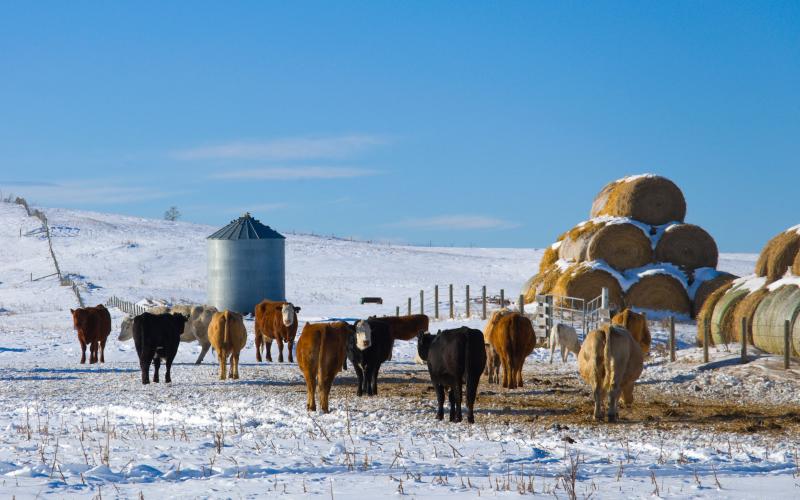
Reproduction is one of the biggest drivers of economic success. Cows stressed by cold, wind, snow, and mud will put energy resources into body condition maintenance and lactation prior to recycling.
Rotational Grazing Improves Stocking Capacity and Ranch Profitability
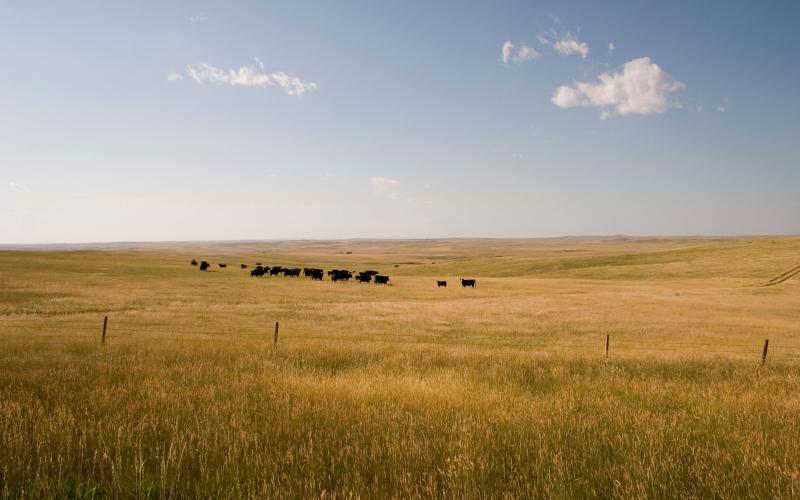
Livestock stocking rate is considered as one of the most important decisions that ranchers can make, as heavy stocking rate causes grassland degradation and adversely impact the sustainable delivery of ecosystem services.
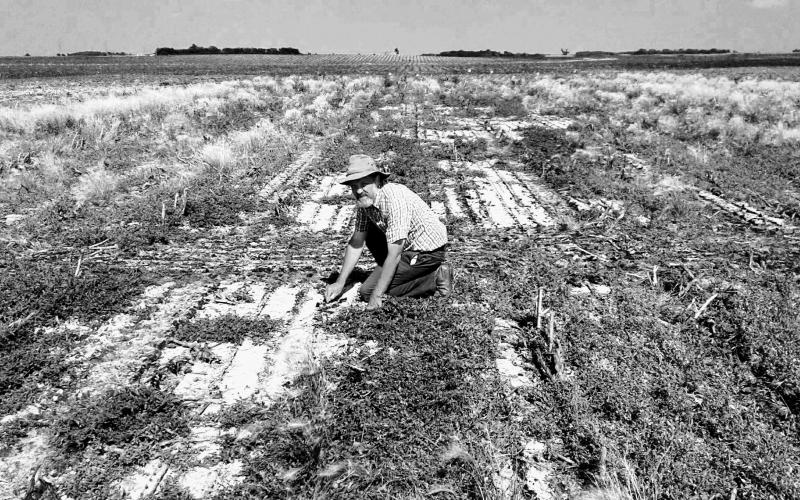
Perennial Solutions for Alkali Areas
Reclaiming marginal lands, especially those considered saline or sodic can be very challenging and may take many years to accomplish. The key to turning around salt or alkali areas in your fields, begins with getting a living root established in the affected area.
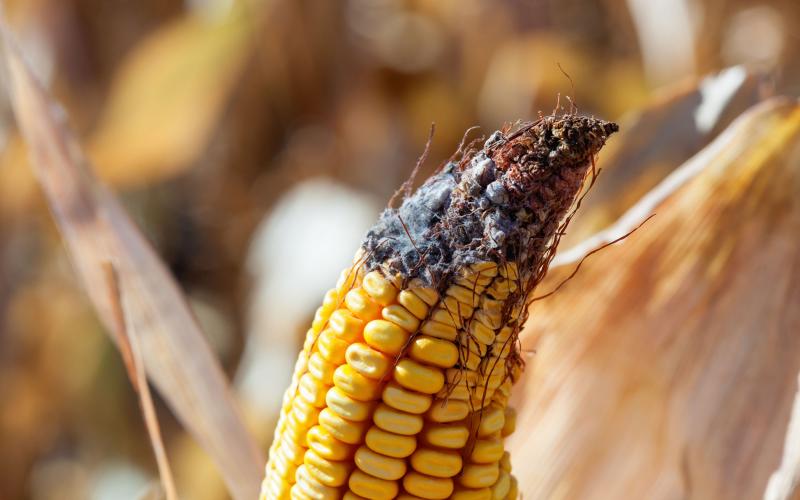
Can Livestock Utilize Moldy Grain?
While livestock producers know that moldy grain and forage are not ideal feedstuffs, they also know that stored feed occasionally contains a small amount of visible mold, and that their animals consume it with no obvious adverse effects. The question arises, how much mold is too much for a feed to be unsuitable for animals?
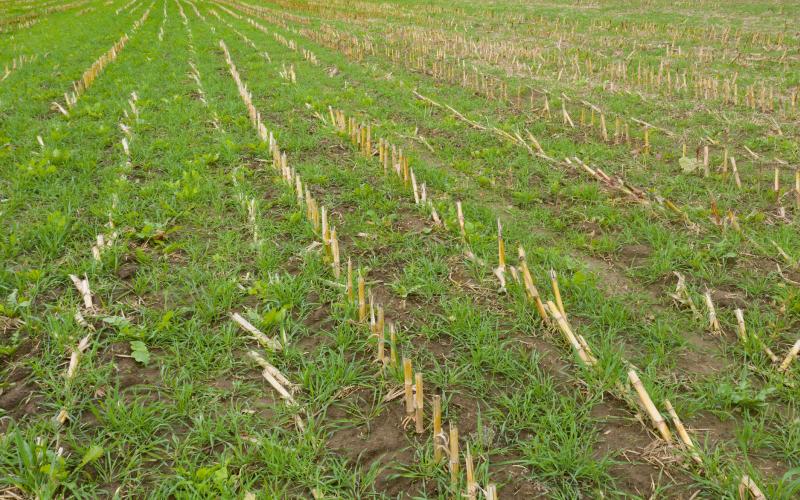
Utilizing Cover Crops for Grazing: An Assessment on Economic Benefits
Grazing cover crops by cattle provides an option to offset cover crop seed costs and increase farm revenue. To facilitate farmers’ decision making, this article will evaluate the economic profitability from grazing cattle on cover crops using a partial budgeting approach.
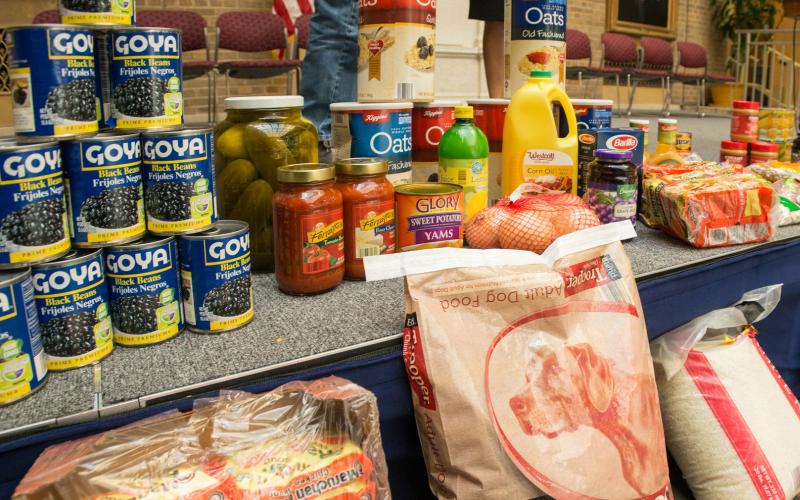
Buying in Bulk Can Be Healthy and Cost-Effective
Schools continue to provide food to children in a “grab-and-go” style due to COVID-19. Many schools are packing more than one meal for families to pick up. SDSU Extension has put together a chart of typical bulk purchased food items and how many servings can be expected in each serving.
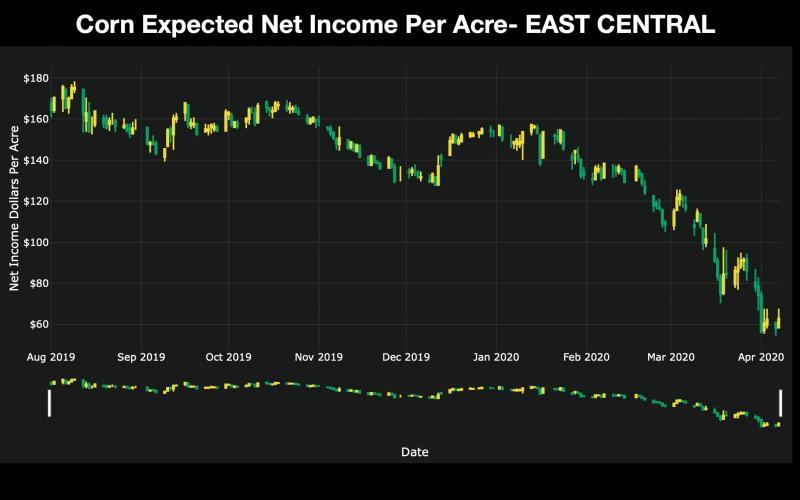
South Dakota Grain Net Income Tool
South Dakota producers can use the SDSU Extension Net Income Tool to monitor their expected net income per acre given their location, commodity of interest, and changes to market prices. The tool gathers the most-recent end-of-day market prices to determine the latest expected net income for wheat, corn, and soybeans in the different regions of the state.